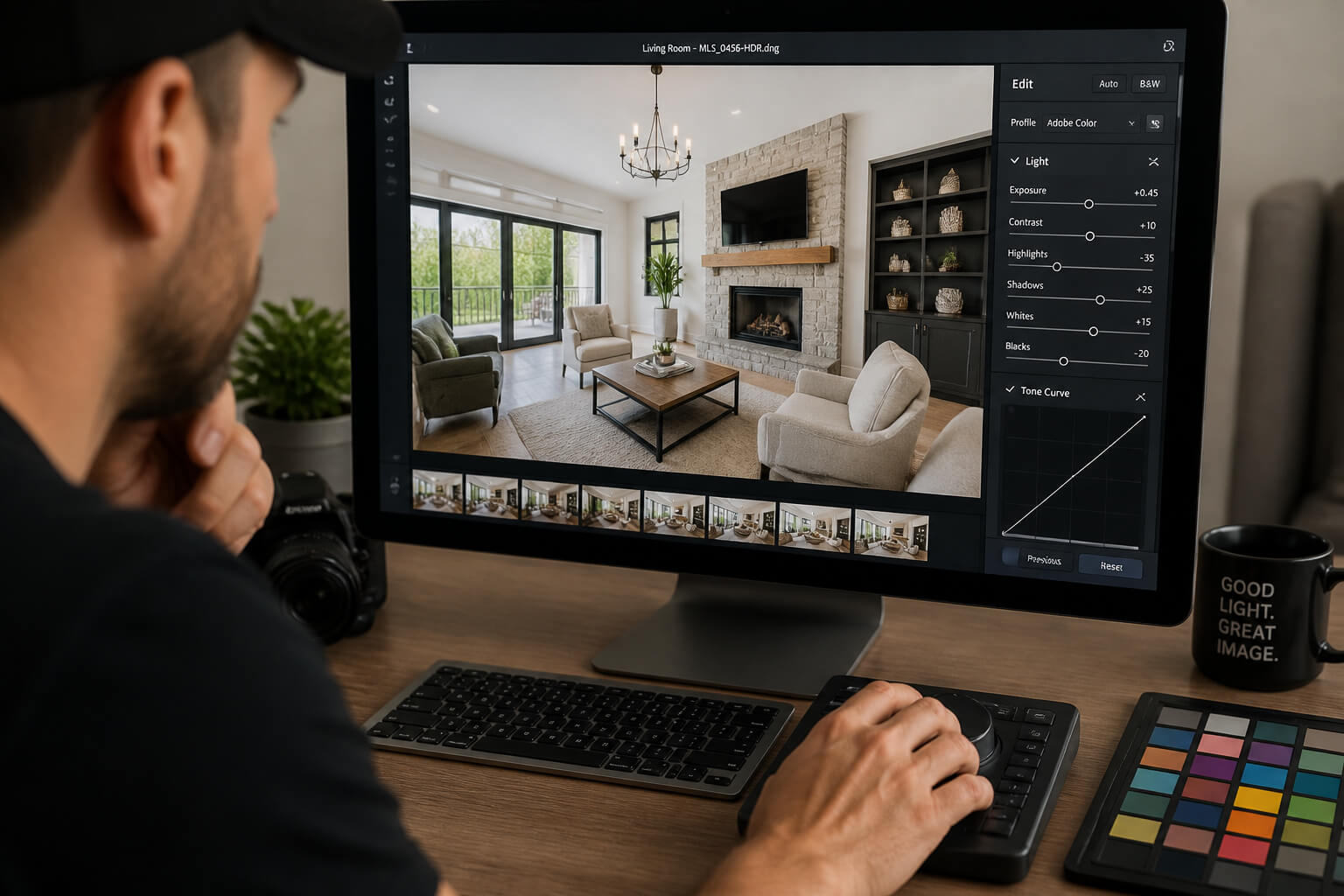
Choosing to outsource real estate photo enhancement services can reshape how your listings perform and how your team spends its time. The challenge is not just finding an editor, but trusting a partner with your brand, deadlines, and client promises. The right provider helps you handle volume, standardize quality across markets, and unlock advanced enhancements without expanding headcount. In this article, you’ll see when outsourcing makes sense, and what to look for in a partner.
Real Estate Photo Enhancement Matters Today
How Photo Quality Shapes Buyer Behavior
When buyers scroll through listings, photos drive almost every early decision. Recent data from the National Association of Realtors highlights how strong the effect is:
85% of homebuyers say photos are the most critical factor when evaluating a property online (NAR).
For 87% of buyers, photos act as the primary element in their first assessment of a home (NAR).
Listings with high‑quality images can sell 32% faster than those with standard or low‑quality visuals (Redfin).
High‑impact enhancement ensures rooms look bright, accurate, and easy to understand at a glance. It supports agents and photographers by turning each listing page into a focused invitation to click, explore details, and book a viewing.
Read more: Best Real Estate Photo Editing Services for the US
Sellers’ Expectations Around Visual Marketing
Sellers now study portals and social feeds before choosing an agent, so they already have a reference point for what “good” looks like. They expect:
A full set of professional photos for every listing, not just a few hero shots.
Bright, inviting interiors that still feel realistic and honest.
Exterior photos that present the property in its best season and light.
When you can show a consistent enhancement standard across your recent listings, sellers read that as proof of your marketing commitment and take that into account during agent selection and pricing conversations.
From “Nice‑to‑Have” to Core Marketing Asset
What used to feel like an optional upgrade has shifted into an essential part of real estate marketing. Enhanced photos now:
Anchor how your brand appears on portals, social media, and brochures.
Support pricing strategies by presenting each property at a professional level.
Help teams handle rising buyer expectations across every property tier.
Instead of treating enhancement as an occasional add‑on, leading photographers, media companies, and brokerages now treat it as a standard input in their listing process and build their operations around that standard.
Read more: Top 5 Real Estate Photo Editing Outsourcing for 2026
Real Estate Photo Enhancement Services: What’s Typically Included
Real estate photo enhancement usually follows a simple structure: establish a reliable baseline for every image, then apply advanced touches that support specific marketing goals.
Core Enhancement Tasks
Exposure, white balance, color correction
Editors balance light and color so interiors feel bright, natural, and true to the actual materials and finishes.
Straightening, cropping, perspective adjustments
Lines are aligned, horizons are leveled, and framing is refined so rooms look stable, spacious, and easy to read.
Sharpening and noise reduction
Fine details such as textures, fixtures, and views stay clear, while grain in darker areas is reduced for a clean, professional finish.
Window pulls
Multiple exposures or targeted adjustments reveal exterior views through windows without losing interior detail.
Sky replacement
Flat or blown‑out skies are replaced with neutral, clear skies that match the overall mood of the listing.
Lawn improvement
Grass, hedges, and garden areas gain a healthier, tidier appearance within realistic boundaries for your market and guidelines.
Advanced & Add‑On Services
Virtual dusk
Daytime exteriors are converted into twilight scenes, adding warm interior light and a more inviting facade for selected hero images.
Virtual staging
Empty or sparsely furnished rooms receive digital furniture and decor that demonstrate layout, scale, and potential use of space.
Item removal
Visual distractions such as bins, cables, small signs, or minor clutter are edited out so attention stays on property features.
HDR blending
Multiple exposures are merged to handle bright windows and darker interiors in one balanced, natural‑looking frame.
Panorama and 360 support
Wide views and immersive angles are stitched and refined to showcase open‑plan layouts and key spaces in a single, navigable view.
Asset packages for social media and brochures
Selected images are resized, cropped, and exported for portals, paid ads, stories, posts, and print so marketing teams can publish without extra manual editing.
Read more: Transform Your Real Estate Images with the Best Photo Editing Software
When to Outsource Real Estate Photo Enhancement Services?
You usually feel the need to outsource before you officially decide on it. The pressure shows up in your evenings, your launch dates, and the way your portfolio looks across channels.
1. Editing Time Starts Crowding Out Core Work
When editing claims the hours that should go into sales, relationships, and strategy, it becomes a bottleneck rather than a value add. You might notice that:
Evenings disappear into Lightroom or Photoshop instead of prospecting or meeting clients.
Follow‑up calls, pricing conversations, or new proposals slip because images for upcoming listings still sit in your editing queue.
At that point, outsourcing helps you protect the high‑value parts of your role and still deliver strong visuals.
2. Turnaround Becomes Unreliable
If timelines start to drift, the impact hits your brand and your clients’ patience at the same time. Typical signals include:
Listing launches slide by a day or two because edits take longer than planned.
Photographers or agents feel repeated pressure from sellers asking when their property will go live.
A specialist partner can stabilize delivery windows so marketing promises stay intact, even in busy periods.
3. Inconsistent Quality Across Listings or Teams
When multiple people edit in different ways, your portfolio stops feeling like a single brand. Common patterns are:
Some shoots look polished and inviting, while others feel flat, dark, or slightly off in color.
Each photographer or editor has a distinct approach to contrast, warmth, and saturation, so your grid on portals or social feeds feels uneven.
Outsourcing to a dedicated real estate team creates a shared standard and style guide that applies across all shoots.
Volume Grows or You Face Seasonal Spikes
Growth is positive, but it quickly exposes gaps in editing capacity. You may see:
Busy months with several shoots per day and no clear way to absorb the extra processing load.
New markets, additional agents, or portfolio expansion that multiply the number of images that need attention every week.
An external partner helps you flex capacity up and down without hiring, onboarding, and managing additional internal editors.
You Want Advanced Enhancements, but Lack Time or Skills
As competition intensifies, basic corrections alone often feel insufficient. Demand appears for:
Virtual dusk, virtual staging, and complex object removal on key listings.
A consistent, “magazine‑style” finish across your portfolio without building a large in‑house editing unit.
A specialized provider supplies these advanced services at scale, so you can elevate presentation without stretching your internal team.
Read more: Top 9+ Real Estate Photography Tips for Photo Editing
Factors to Consider When Assessing a Real Estate Media Editing Provider
Once you decide to outsource real estate photo enhancement services, the next step is choosing a partner that fits how you work and where you plan to grow. Several areas deserve close attention.
1. Real Estate Domain Experience
Look for proof that they live and breathe property visuals, not just generic image editing. Key signals include:
Familiarity with your property types, local expectations, and MLS or portal guidelines.
Sample portfolios or case studies across interiors, exteriors, twilight, luxury, and commercial projects.
This experience shortens the learning curve and reduces back‑and‑forth on basic requirements.
2. Quality and Consistency Standards
A strong partner shows not only their best work but also how consistent they are across full projects. Ask for:
Before/after examples that reveal the full enhancement process.
Complete sets from actual shoots so you can see how standard frames, not just hero images, turn out.
A clear approach to preserving a uniform look across multiple photographers and markets.
This gives you a realistic view of day‑to‑day output.
3. Turnaround Time and Scalability
Reliable timelines matter as much as visual quality. Clarify:
Standard delivery times for typical sets and any options for priority or same‑day service.
Capacity for high‑volume orders and peak‑season surges without slipping on quality.
That combination lets you accept more work with confidence in your delivery promises.
4. Workflow and Integration
A smooth workflow saves hours each week and reduces human error. Review how the provider handles:
Ordering portals, dashboards, or APIs that connect to your existing systems.
File transfer, instructions, presets, and version history, so your team always knows which images are final.
The closer this fits your current tools, the less disruption you face during onboarding.
5. Communication and Support
Editing is an ongoing collaboration, not a one‑off project. Pay attention to:
Responsiveness, named contacts, and support hours that match your working day and main time zones.
How they collect feedback, adjust style guides, and apply learnings across future jobs.
Strong communication helps you refine the relationship instead of constantly explaining the same points.
6. Data Security and Compliance
Property images and client details carry clear privacy responsibilities. You need a partner with:
Documented policies for handling client data and property information.
Compliance with GDPR and other regulations relevant to your markets.
This protects your brand and reassures both sellers and corporate stakeholders.
7. Pricing Model and Overall Value
Price is important, but it sits inside a wider value equation. Review:
Per‑image, per‑set, or subscription options and any minimum volumes.
How the pricing structure aligns with your margins as a photographer, media company, or brokerage.
The impact on your internal workload, client satisfaction, and ability to scale.
A partner that fits on all three axes - quality, reliability, and economics, supports long‑term growth instead of creating another operational hurdle.
Read more: The Best Ways To Outsource Real Estate Photo Editing For A Multinational Photography Company
Process for Picking The Right Partner to Outsource Real Estate Photo Enhancement Services
A structured selection process avoids trial‑and‑error and gives you a partner that fits both your volume today and your growth plan.
1. Clarify Your Needs and Priorities
Start by mapping what you actually need edited and on what schedule.
Volumes by month, typical property types, and standard enhancement requirements
Non‑negotiables such as 24‑hour turnaround, twilight packages, virtual staging, or 360 support
This snapshot guides which providers are realistic options and which ones sit outside your scope.
2. Shortlist Specialized Providers
Next, filter the market to a focused list of experts.
Prioritize real‑estate‑driven editing companies instead of generalist photo shops
Review portfolios and case studies aligned with your segment, property value range, and price point
Aim for a shortlist of a few candidates that clearly understand real estate visuals.
3. Define a Simple Style Guide and Brief
Before any test project, document how you want listings to look. Include:
Preferences for color, brightness, contrast, and saturation
Guidelines for sky replacement, interior warmth, and item removal boundaries
Branding elements such as watermark usage, logo placement, export sizes, and file naming
A concise one‑ or two‑page guide is enough to give editing teams a clear reference.
4. Run a Structured Pilot with Test Projects
Then move from theory to practice.
Send 2–4 representative shoots covering different property types and lighting scenarios
Evaluate quality, adherence to the style guide, communication, and delivery speed
Gather feedback from your team and selected clients who see the final listings
Treat this as a dress rehearsal for real collaboration, not just a visual check.
5. Compare Offers Based on Total Fit, Not Just Price
After the pilot, assess each provider across several dimensions:
Cost versus consistency, reliability, and workflow efficiency
Ability to support growth, new services, and integration with your current tools
This broader view helps you avoid the cheapest quote that creates friction in daily operations.
6. Formalize Collaboration and Continuous Improvement
Once you select a partner, move into a documented working relationship.
Agree on SLAs for turnaround, revision approach, and support coverage
Establish a feedback loop with periodic quality reviews, updated style guidelines, and process refinements
This turns the relationship into a stable part of your production chain instead of an ad‑hoc supplier arrangement.
Read more: 5 Real Estate Photo Editing Company Worth Considering In 2026
Esoft: A Strategic Partner for Real Estate Photo Enhancement
Esoft focuses exclusively on real estate and has supported leading real estate businesses for over 20 years, across photographers, media companies, and large brokerages. The goal is simple: reliable, high‑impact visuals that match your brand and your timelines.
Our ecosystem covers a wide range of services in one place:
Retouching and enhancement for interiors, exteriors, and twilight
Virtual dusk and other creative treatments for hero images
A pathway into future video needs, including social media video editing and related formats
Behind the scenes, we apply an AI‑assisted workflow for baseline adjustments - exposure, color, and structure, followed by human experts who refine details, realism, and brand fit. This AI‑human approach supports both volume and nuance.
Takeaways
When editing time blocks core work, quality fluctuates across teams, or advanced services like virtual dusk and virtual staging are hard to deliver in‑house, it is time to outsource real estate photo enhancement services to a specialist partner. To explore how this could look in practice for your business, contact Esoft.
Related Blogs
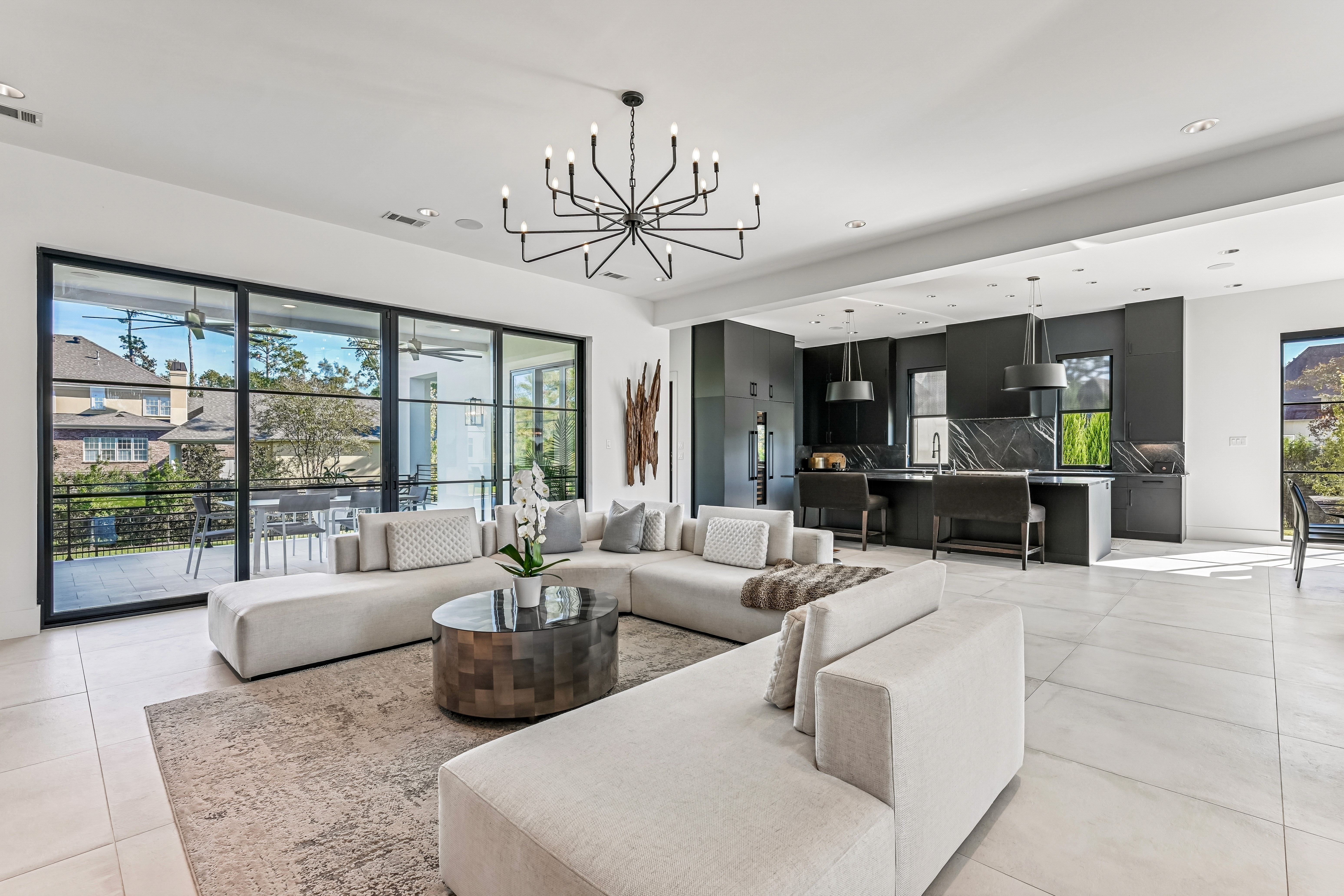
Hybrid Real Estate Photo Editing Explained: The Best of AI and Manual Editing
AI Photo Editing

Real Estate Photo Enhancement Agency vs In-House Editing: Which Is Better?
Photo Editing

Manual vs AI Real Estate Photo Enhancement Services: Speed, Quality, and Cost
AI Photo Editing
How to Choose the Right Partner to Outsource Real Estate Photo Enhancement Services?
Photo Editing
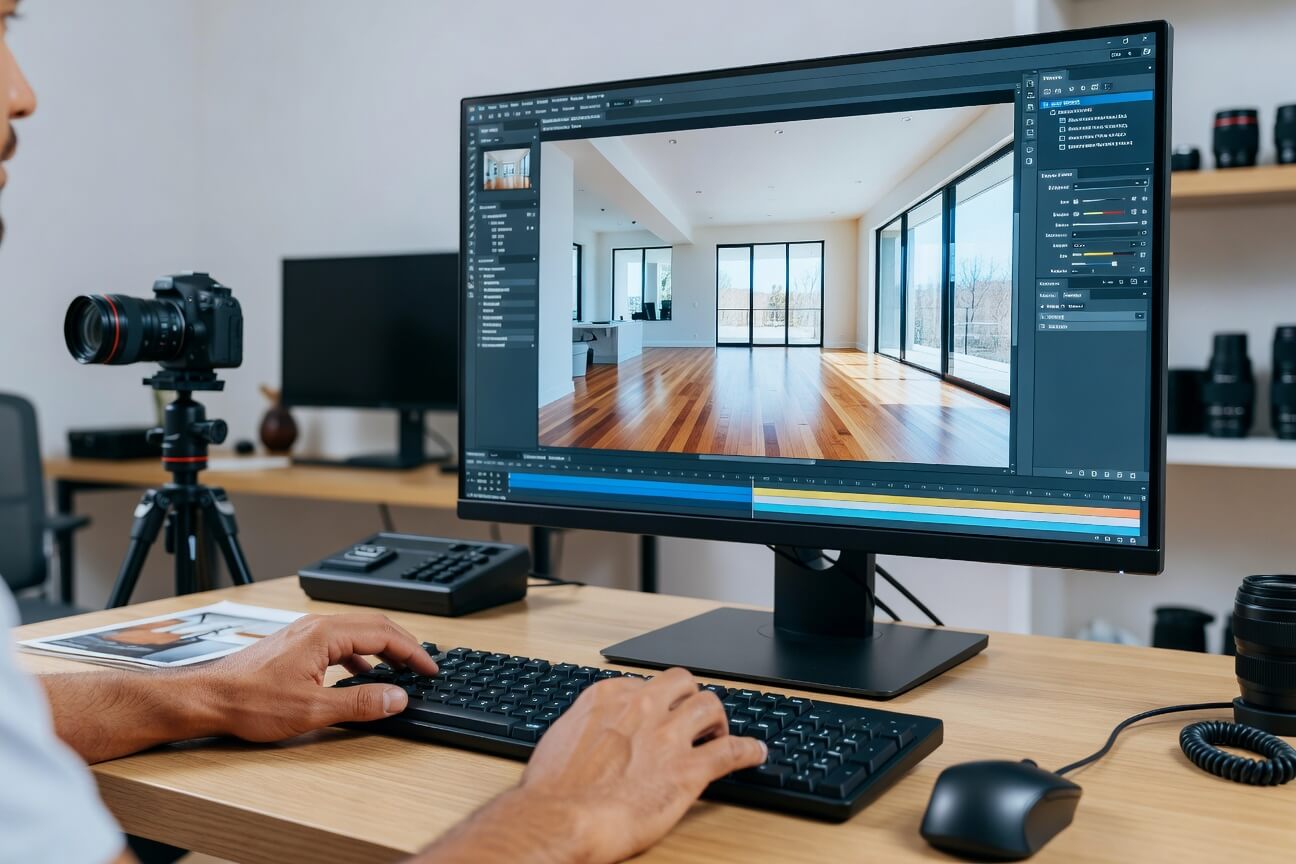
Real Estate Photo and Video Editing Explained: Tools, Workflow, and Trends
Video Editing
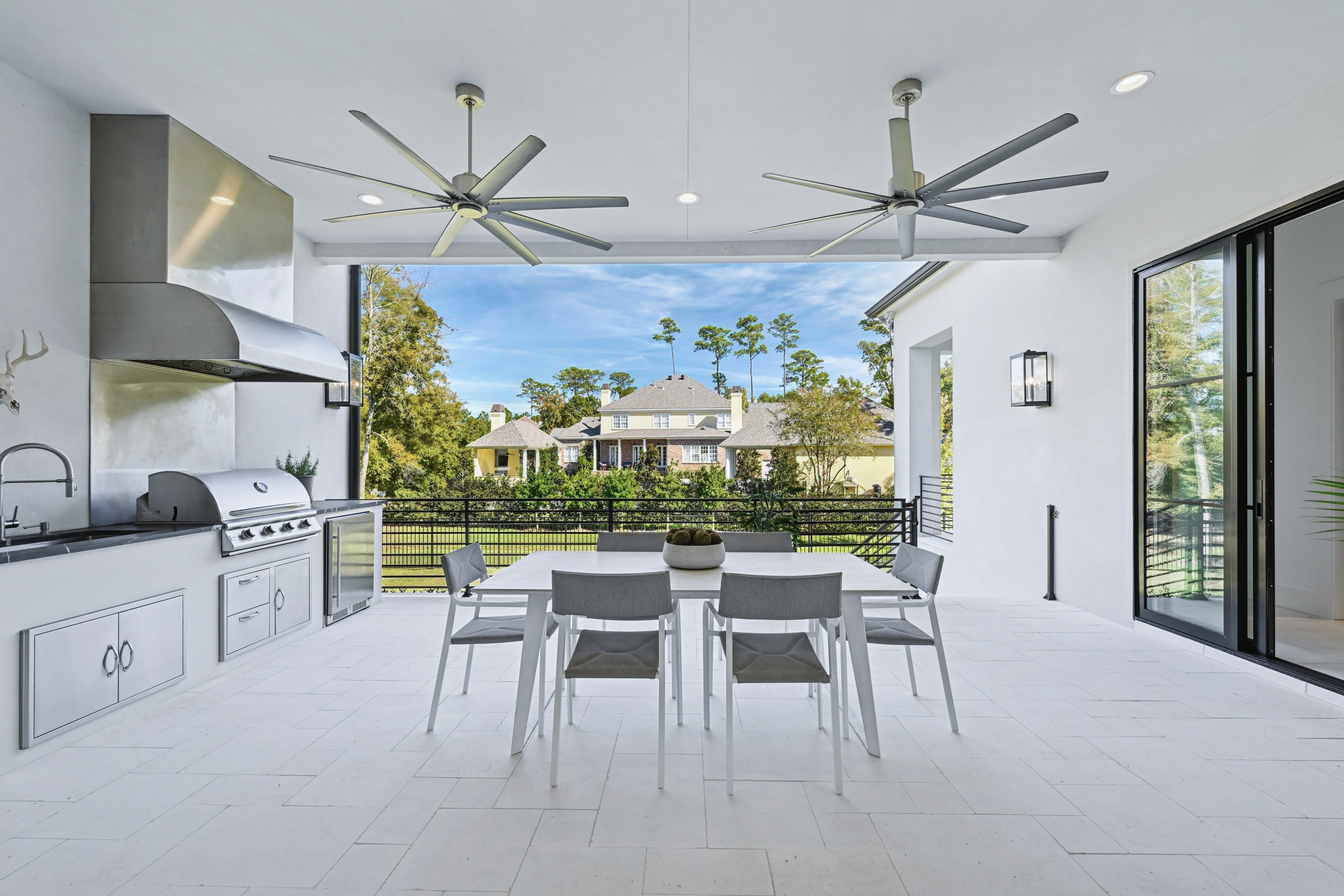
What Is AI Real Estate Photo Editing Software? Features, Benefits, and Use Cases
AI Photo Editing



Linh Phan
Content Strategy Executive
No Spam, Just Updates
Our fresh blogs provide technical and industrial information that helps strengthen your business. Sign up to be the first to receive the new updates