Scaling a multinational photography company introduces complexity that local teams rarely face. Listings flow in from multiple regions, deadlines overlap, and visual standards must hold without daily intervention. In this environment, decisions around post-production directly affect speed, consistency, and operational focus. Many companies choose to outsource real estate photo editing as a way to stabilize delivery while keeping internal teams focused on growth. This article explores how outsourcing works at scale, what to consider, and how leading companies structure it successfully.
What are Real Estate Photo Editing Services?
Visual presentation shapes buyer behavior long before a showing is scheduled. Industry research shows that 68 percent of potential buyers say strong listing photos influenced their decision to visit a home. For multinational photography companies, that attention translates directly into expectations around speed, accuracy, and consistency.
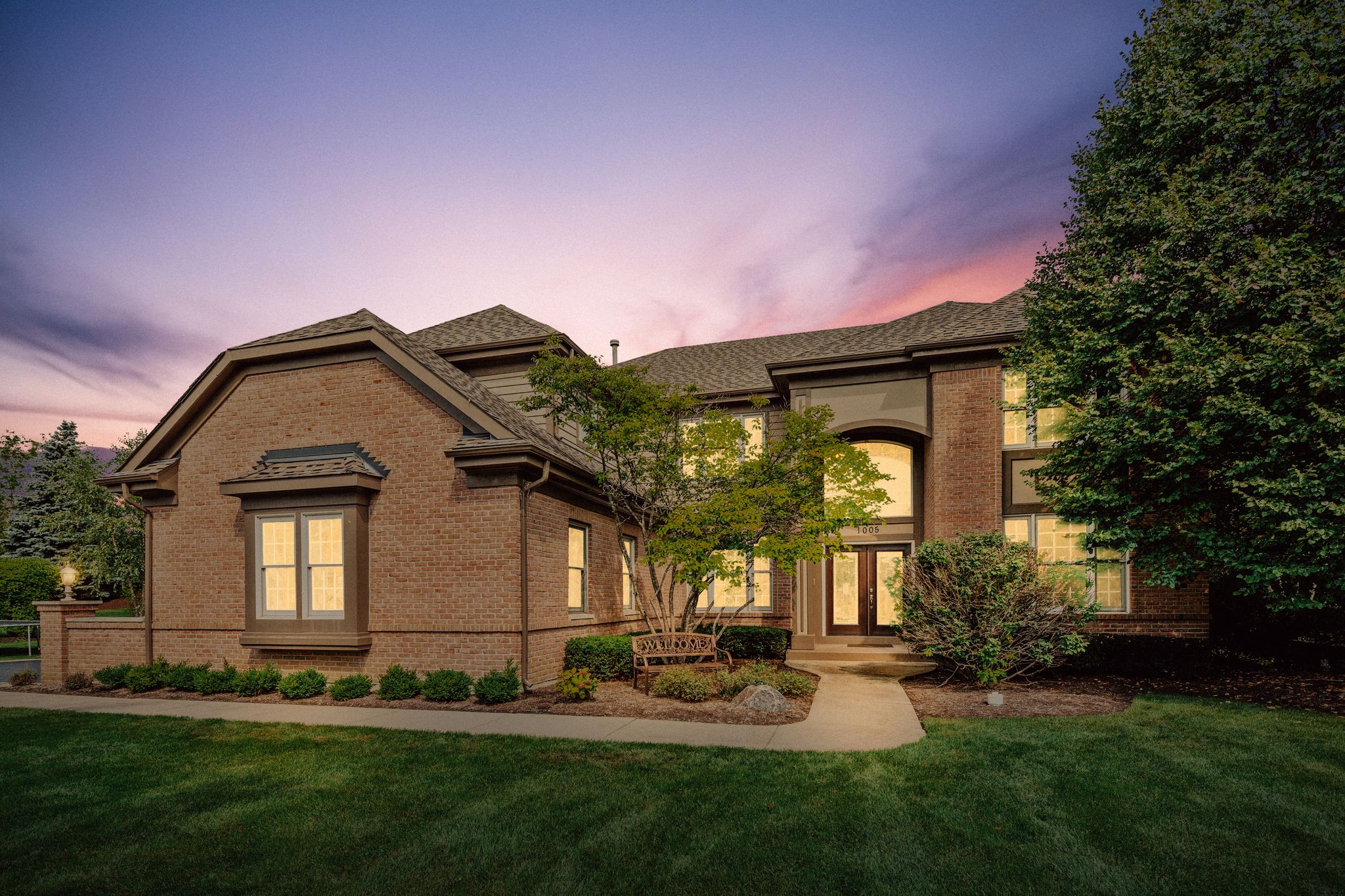
Real estate photo editing services focus on refining raw property images into market-ready assets. The work centers on lighting balance, color accuracy, and spatial clarity so listings read clearly across portals and devices. Turnaround is typically measured in hours rather than days, which keeps listings moving through active markets.
These services usually cover several production layers.
Basic image adjustments, such as exposure balance, white balance, and color correction, to resolve uneven or dull captures.
Editing and retouching to remove distractions like cables, stains, or parked vehicles, while correcting vertical and horizontal alignment.
Advanced treatments that support presentation at scale, including HDR blending for balanced light, sky replacement for exterior consistency, virtual staging for empty spaces, day-to-dusk conversions, and precise perspective correction to maintain architectural accuracy.
Why Multinational Photography Companies Outsource Real Estate Photo Editing
As photography businesses expand across regions, post-production quickly becomes a pressure point. Many companies choose to outsource real estate photo editing to maintain control while scaling operations.
Centralized focus on client acquisition and operations
Editing demands attention every day. When handled internally, it pulls leadership and regional managers into production issues instead of growth initiatives. Outsourcing moves that workload into a dedicated system, giving internal teams space to focus on sales, client retention, scheduling, and market expansion.
Access to scalable specialist talent
Multinational operations require editors who understand real estate imagery at a professional level. Outsourcing partners maintain teams trained specifically for property media, removing the need to recruit, train, and retrain editors in each region as volume changes.
Continuous production across time zones
Global delivery models keep editing active while local teams are offline. Shoots completed late in one market can be processed overnight and delivered by the next business day. This continuous cycle shortens listing timelines without extending internal working hours.
Faster delivery during peak cycles
Seasonal surges strain internal capacity first. Outsourced production absorbs volume spikes without forcing rushed hires or temporary quality tradeoffs. Turnaround remains stable even when order flow increases sharply.
Entry into a broader media ecosystem
Many outsourcing partners support more than still images. Video, floorplans, and 3D services can be added within the same production framework, simplifying vendor management as service offerings expand.
External quality perspective
Dedicated editing teams work against defined visual standards rather than local habits or individual preferences. This external perspective helps maintain consistent output across photographers, regions, and property types.
For multinational photography companies, outsourcing is less about cost and more about operational control as volume and complexity increase.
Read more: Best Real Estate Photo Editing Services for the US
Cost Considerations When You Outsource Real Estate Photo Editing
Cost is often the first driver behind the decision to outsource real estate photo editing, but long-term value depends on structure rather than headline price. For multinational photography companies, pricing models need to support volume swings, forecasting, and operational clarity.
Per image and volume-based pricing models
Most outsourcing providers use per-image pricing tied to monthly or seasonal volume tiers. This structure works well when editing scopes are clearly defined and consistent across regions. A common mistake is blending different service levels under one rate, which leads to unclear expectations and uneven margins. Another risk appears when volume tiers are not agreed on ahead of peak season, forcing last minute adjustments when leverage is lowest.
Comparing internal overhead versus outsourcing
Internal editing teams bring fixed costs that do not flex with demand. Salaries, onboarding, software licenses, management oversight, and rework time all compound as volume grows. Outsourcing converts much of that into variable cost tied directly to production. Many companies underestimate internal overhead by comparing only hourly wages against per image rates, without accounting for idle capacity during slower cycles or quality control time during peak periods.
Predictability for forecasting and expansion
Outsourcing works best when pricing supports planning. Clear tiers and stable terms allow leadership teams to forecast production costs as they enter new markets or onboard large clients. This predictability matters when expansion depends on delivery reliability rather than headcount growth.
Risk Management and Data Security in Global Outsourcing for a Multinational Photography Company
For multinational photography companies, outsourcing is not only a production decision. It is also a risk management decision. As listing volumes grow across regions, image data, client information, and brand assets move through multiple systems every day. Without proper controls, exposure rises quickly.
Professional outsourcing partners operate with defined security frameworks and controlled access. This includes secure file transfer, restricted editor permissions, and clear data retention policies. These safeguards protect proprietary imagery and client information across markets.
Risk management also extends to operational continuity. A stable outsourcing model avoids single-point dependency on individual editors or local teams. Structured staffing, documented workflows, and backup capacity protect delivery when demand spikes or regional disruptions occur.
For companies operating at scale, secure systems and operational resilience are part of production quality, not a separate concern.
Read more: The Importance of a Professional Real Estate Photo Editing Service
Best Practices for Outsourcing Real Estate Photo Editing at Scale
Outsourcing works best when it is treated as a production system, not a vendor shortcut. The following practices support stable delivery across regions and seasons.
Define output standards and brand style
Before large volumes move through any external team, visual standards must be documented and shared. This includes exposure balance, color treatment, vertical alignment, window handling, and delivery formats. Reference galleries set expectations faster than written notes and protect brand consistency across regions.
Vet providers for volume and consistency
Portfolios show capability, not endurance. Ask how providers handle sustained high volume, not just individual projects. Review full image sets from active workflows to assess consistency under real production conditions.
Production workflow and file management
As regions and clients multiply, workflow friction becomes costly. Clear upload processes, standardized file naming, version control, and predictable delivery paths keep teams aligned. Weak structure at this stage leads to delays, duplicate work, and internal confusion.
Pilot projects before full rollout
Controlled pilots surface issues early. Test turnaround stability, revision handling, communication flow, and visual alignment before committing full volume. A pilot reduces risk and creates a shared baseline for scale.
Capacity planning and seasonal buffers
Peak cycles should never be a surprise. Confirm reserved capacity and buffer thresholds in advance so volume surges do not compromise delivery timelines or quality. Planning for demand is part of the outsourcing agreement.
Performance monitoring and quality audits
Quality control does not end after onboarding. Ongoing audits help catch visual drift, rising revision rates, or turnaround slippage. Clear metrics keep external production aligned with internal expectations over time.
Read more: Key Factors to Consider When Choosing Real Estate HDR Photo Editing Services for Peak Season
Esoft - Trusted Partner of World’s Leading Real Estate Photography Companies
Esoft supports large photography organizations that require control, scale, and consistency across regions. With more than 1,000 real estate photography businesses and enterprises served globally, our services are structured to support high-volume operations without adding management burden. From photo editing to video, floor plans, and 3D visualization, all production runs through a unified system designed for multinational teams.
Automated workflow built for enterprise clients
Esoft adapts to the way large clients already operate. Our system supports three primary workflow models, including platform integrations, API driven orders, and white-label environments. This flexibility allows clients to route orders automatically, track progress in real time, and receive assets without manual handoffs. Automation keeps production moving as volume scales.
Consistent quality across locations and brands
Global reach only works when output looks the same everywhere. Esoft applies defined visual standards across all locations, so listings maintain consistent exposure, color treatment, and geometry regardless of where they are shot. This protects brand identity for clients operating in multiple markets.
No fragmented teams or vendor sprawl
Many large companies rely on multiple vendors across different countries, each handling a separate task. That structure increases coordination effort and weakens accountability. Esoft runs a closed-loop production model, with expert teams and editors working under one system. Clear communication in English keeps feedback, revisions, and standards aligned from start to finish.
Wrap Up
For multinational photography companies, the decision to outsource real estate photo editing is about operational control at scale. Reliable delivery, stable quality across locations, and predictable costs all depend on structure, not shortcuts. With clear standards, disciplined workflows, and a partner built for volume, outsourcing becomes a growth lever rather than a risk. The right model protects your brand while freeing internal teams to focus on clients and expansion.
Contact Esoft to discuss how we support companies that outsource real estate photo editing at scale.







Linh Phan
Content Strategy Executive
No Spam, Just Updates
Our fresh blogs provide technical and industrial information that helps strengthen your business. Sign up to be the first to receive the new updates