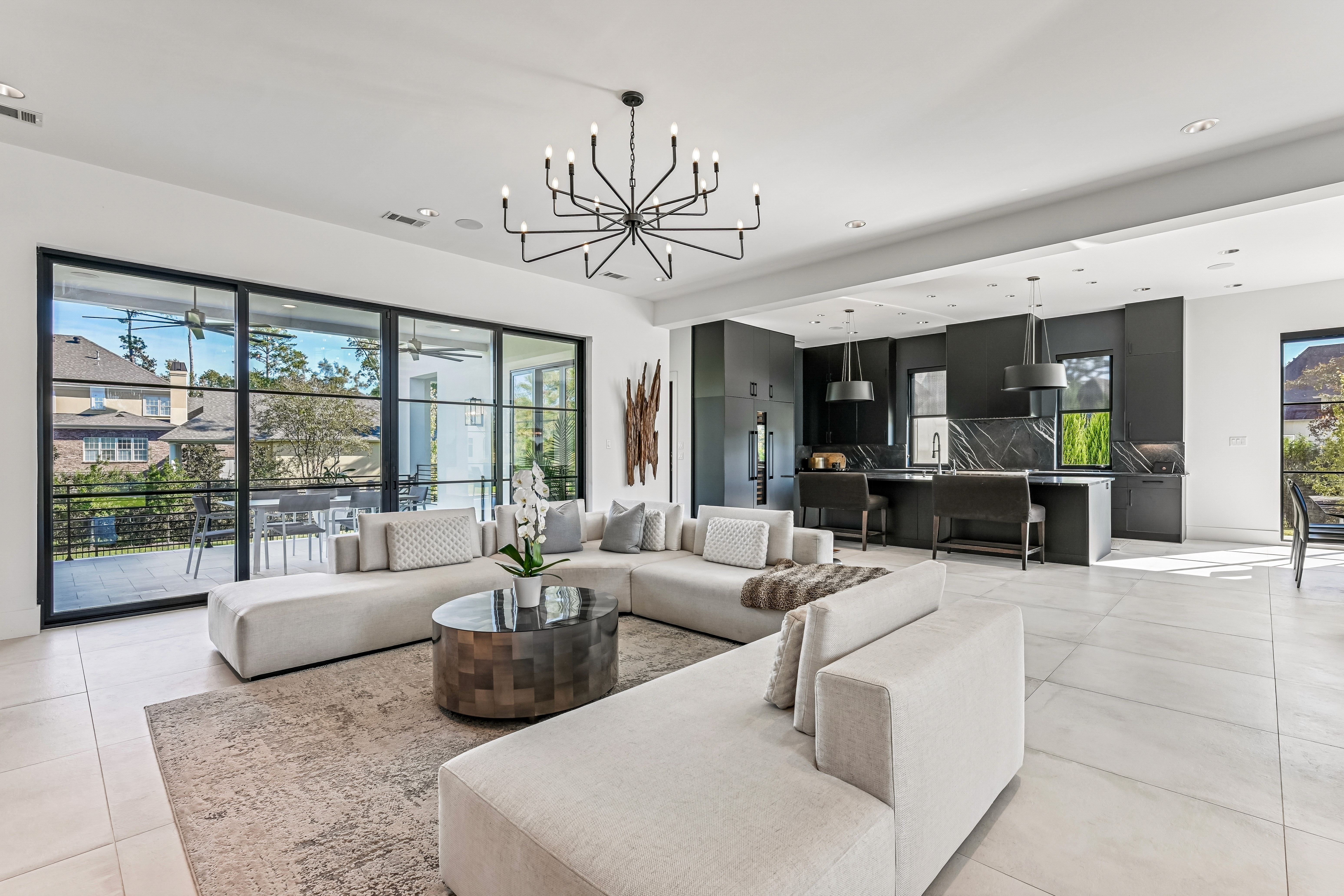
When manual editing is accurate but slow, and AI editing is fast but sometimes blunt, hybrid real estate photo editing gives you a third option that fits real production pressure. You deal with tight listing schedules, mixed property types, and agents who expect both speed and polish on every shoot. Hybrid workflows let AI handle baseline adjustments at scale while specialists focus on the frames and details that influence perception of quality. The following sections explain how this model works, where it excels, and how to apply it.
What is Hybrid Real Estate Photo Editing?
Hybrid real estate photo editing combines the strengths of automation and human expertise in one structured workflow for listing visuals.
Definition and Core Concept
Hybrid real estate photo editing is a collaborative model in which algorithms handle baseline adjustments and human editors handle refinement.
Applied to real estate photo enhancement and retouching, this setup looks like:
AI applies exposure, color balance, lens corrections, and basic contrast to large batches.
Editors review the AI output, correct edge cases, and apply property‑specific and brand‑specific decisions.
Editing stops being a single stage and becomes a sequence, with clear roles for automation and for specialists.
Read more: Best Real Estate Photo Editing Services for the US
How It Differs From Pure AI Editing
Hybrid workflows do not hand final judgment to AI for complex or brand‑sensitive images. Key distinctions include:
AI proposes an initial version; human experts approve, adjust, or escalate based on context.
Exceptions, creative choices, and local market preferences stay in the hands of experienced editors.
Style changes, special campaigns, and feedback from agents or sellers translate into updated guidelines that editors apply directly.
AI contributes speed and consistency, while people decide how images should look in situations that need interpretation.
How It Differs From Traditional Manual Editing
Traditional manual editing assigns every step to human editors, from basic exposure tweaks to advanced retouching. Hybrid editing changes that distribution:
Baseline, repetitive corrections move to AI so large sets move through production faster.
Editors focus attention on high‑impact details such as color mood, balance between interior and exterior light, object removal, and local preferences.
Workflows can handle higher volumes without forcing editors into endless repetitive tasks.
The result is a process designed to handle modern real estate portfolios without losing human judgment.
Where Hybrid Editing Is Most Useful in Real Estate
Hybrid editing delivers the strongest impact in scenarios that combine volume, complexity, and brand expectations. Typical use cases include:
High‑Volume Listing Photos
Photographers, media firms, and brokerages that handle many shoots each week need dependable throughput. Hybrid editing helps when:
Daily or seasonal listing volumes spike.
Teams service multiple offices or franchise branches.
Agents expect fast turnaround on standard listing sets.
AI takes care of the baseline across large batches, while editors intervene on hero images and challenging scenes.
Portfolios Across Multiple Markets or Brands
Groups with diverse portfolios see significant benefits from a hybrid structure:
Different markets call for different tones, brightness levels, and visual emphasis.
Multi‑brand organizations need distinct styles for each brand, yet still want shared infrastructure.
Central teams must oversee consistency while allowing for regional nuances.
AI can apply brand‑ or market‑specific presets at scale, and editors handle fine‑tuning and exceptions.
Advanced Services and Tailored Enhancements
Certain real estate treatments require a precise balance between technical accuracy and visual appeal. Hybrid editing is suitable for:
Virtual dusk for hero exteriors that need a strong emotional impression.
Object removal and decluttering in spaces with signage, personal items, or visual noise.
Tailored enhancements such as detailed window pulls, mixed lighting corrections, and corrections for strong color casts.
In these cases, AI delivers a strong starting point, and editors apply the judgment needed to reach a standard that aligns with brand expectations and local buyer tastes.
Read more: Top 5 Real Estate Photo Editing Outsourcing for 2026
Key Advantages of Hybrid Real Estate Photo Editing
Hybrid editing addresses the pressure to move fast, stay on budget, and still deliver images that feel thoughtful and on‑brand.
Speed at Scale Without Sacrificing Standards
AI takes care of the heavy lifting on large sets:
Baseline exposure, white balance, contrast, and lens corrections apply across batches in a short timeframe.
Simple scenes receive clean, ready‑to‑review versions without long queues.
Human editors then focus on sign‑off and refinement so final images still meet the visual bar your brand and market expect.
Consistent Quality With Room for Nuance
Hybrid workflows balance uniformity with judgment:
AI provides a stable starting look for thousands of frames, aligned with agreed style presets.
Editors adjust for tricky lighting, mixed color temperatures, and property‑specific quirks that generic settings cannot fully solve.
You gain a recognizable visual identity while still allowing space for local taste and property character.
Better Use of Human Talent
Skilled editors move away from repetitive, low‑impact adjustments and concentrate on work where their eye matters most:
Creative choices on hero shots, marketing campaigns, and premium listings.
Detailed treatments such as delicate object removal, realistic window pulls, and subtle mood tuning.
This shift reduces fatigue from repetitive tasks and supports sharper attention to detail on frames that truly influence client perception.
Cost Efficiency Over Time
Automation lowers the total effort needed per image:
Baseline steps move through AI, which reduces the minutes of manual work across each batch.
Human time is reserved for stages in the process that directly influence perceived quality and brand positioning.
Over a 12–24 month horizon, this structure often leads to steadier unit costs while still supporting growth in volume.
Built‑In Flexibility for Different Property Types and Brands
Hybrid editing adapts well to diverse portfolios:
Style rules and presets can differ by segment: residential, luxury, commercial, or hospitality.
Separate brands or regions can sit under one shared infrastructure with tailored looks for each.
AI applies the correct baseline configuration for each segment, and editors refine based on property category, market, and campaign needs.
Read more: 5 Real Estate Photo Editing Company Worth Considering In 2026
A Practical Hybrid Real Estate Photo Editing Workflow
A clear workflow ensures that automation and human expertise support each other instead of competing.
Intake and Classification
The process starts when new images enter the system:
Files upload with tags such as property ID, shoot type, and priority level.
Rules sort images into AI‑first lanes or high‑attention lanes for complex sets, VIP listings, or special campaigns.
This early classification guides how much human review each group will receive.
AI‑Driven Baseline Enhancements
Suitable images pass through an AI stage that handles:
Exposure, white balance, contrast, and lens corrections
Basic noise reduction and clarity
Optional automated sky and minor lawn improvements for common exterior scenes
The goal is to create a consistent, clean starting point across large batches.
Human Review and Creative Refinement
Editors then assess AI output and apply judgment where it matters:
Adjust the overall mood, balance interior and exterior light, and fine‑tune composition.
Address complex elements such as strong color casts, reflections, clutter, and detailed object removal.
Elevate hero shots and marketing images to a higher standard than everyday frames.
At this stage, images move from technically correct to visually aligned with your audience and brand.
Brand Alignment and Local Market Tuning
Next, editors align sets with defined visual frameworks:
Apply brand style guides for warmth, saturation, contrast, and clarity.
Adjust based on local buyer expectations and property type (for example, urban apartments vs coastal homes).
Respect portal or MLS guidelines on brightness, realism, and content.
This step makes sure that images feel consistent across channels while still fitting regional preferences.
Quality Control and Exception Handling
Structured checks safeguard standards and manage outliers:
Sample‑based QA across normal batches and full checks on high‑value shoots.
Clear criteria for flagging images that need extra work or specialist attention.
A defined path for rework when sets miss expectations or receive client feedback.
Issues are handled inside the workflow instead of surfacing late in the launch process.
Read more: Photo Editing Real Estate for Premium Listings: Requirements for Soul and Style
Delivery, Feedback, and Continuous Improvement
The final stages focus on how images leave the system and how learning returns to it:
Delivery formats prepared for portals, print, and social platforms according to each channel’s requirements.
Feedback from photographers, agents, and marketing teams captured in a structured way.
Insights from human adjustments used to refine AI presets and editing guidelines, so each cycle improves the next.
With this approach, hybrid real estate photo editing becomes an evolving production system that supports growth, not just a set of disconnected tools.
Esoft: Professional Real Estate Media Editing Provider with Standardized Process
Esoft focuses on real estate visuals and has worked with photographers, media companies, and brokerages for over 20 years across multiple markets. Our model is built specifically around hybrid real estate photo editing, combining AI efficiency with consistent human oversight inside a documented, repeatable workflow. This gives real estate teams a production setup that scales across offices and seasons without losing visual standards.
What Esoft offers:
Photo retouching
Photo enhancement
Virtual dusk
Social media photo
How our standardized hybrid workflow operates:
AI baseline stage – Automated exposure, color, contrast, and geometry corrections across large batches, guided by your approved style frameworks.
Human refinement stage – Editors adjust mood, balance interior/exterior light, manage tricky lighting or clutter, and align every set with brand rules and local buyer expectations.
Structured QA and feedback – Style guides, multi‑step quality checks, and clear feedback channels ensure consistent output and continuous improvement over time.
This standardized process positions Esoft as a long‑term real estate media partner for brands that need scale, predictability, and a dependable hybrid editing model.
Read more: 2026 Popular Services & Add-Ons Demand In Real Estate Photo Service
Conclusion
Hybrid real estate photo editing turns editing into a structured collaboration between AI and specialists, so large portfolios gain speed, stability, and nuance at the same time. AI covers baseline adjustments at scale, while editors focus on complex scenes, brand styling, and local market expectations. Clear workflows for intake, enhancement, review, and QA help real estate brands support high volumes, multiple markets, and advanced services such as virtual dusk or precise retouching. To explore how Esoft’s standardized hybrid model is tailored to your business, get in touch with us!
Related Blogs
Hybrid Real Estate Photo Editing Explained: The Best of AI and Manual Editing
AI Photo Editing

Real Estate Photo Enhancement Agency vs In-House Editing: Which Is Better?
Photo Editing
Manual vs AI Real Estate Photo Enhancement Services: Speed, Quality, and Cost
AI Photo Editing
How to Choose the Right Partner to Outsource Real Estate Photo Enhancement Services?
Photo Editing
Real Estate Photo and Video Editing Explained: Tools, Workflow, and Trends
Video Editing
What are real estate panorama photo editing services? How can they benefit your business?
Photo Editing



Linh Phan
Content Strategy Executive
No Spam, Just Updates
Our fresh blogs provide technical and industrial information that helps strengthen your business. Sign up to be the first to receive the new updates