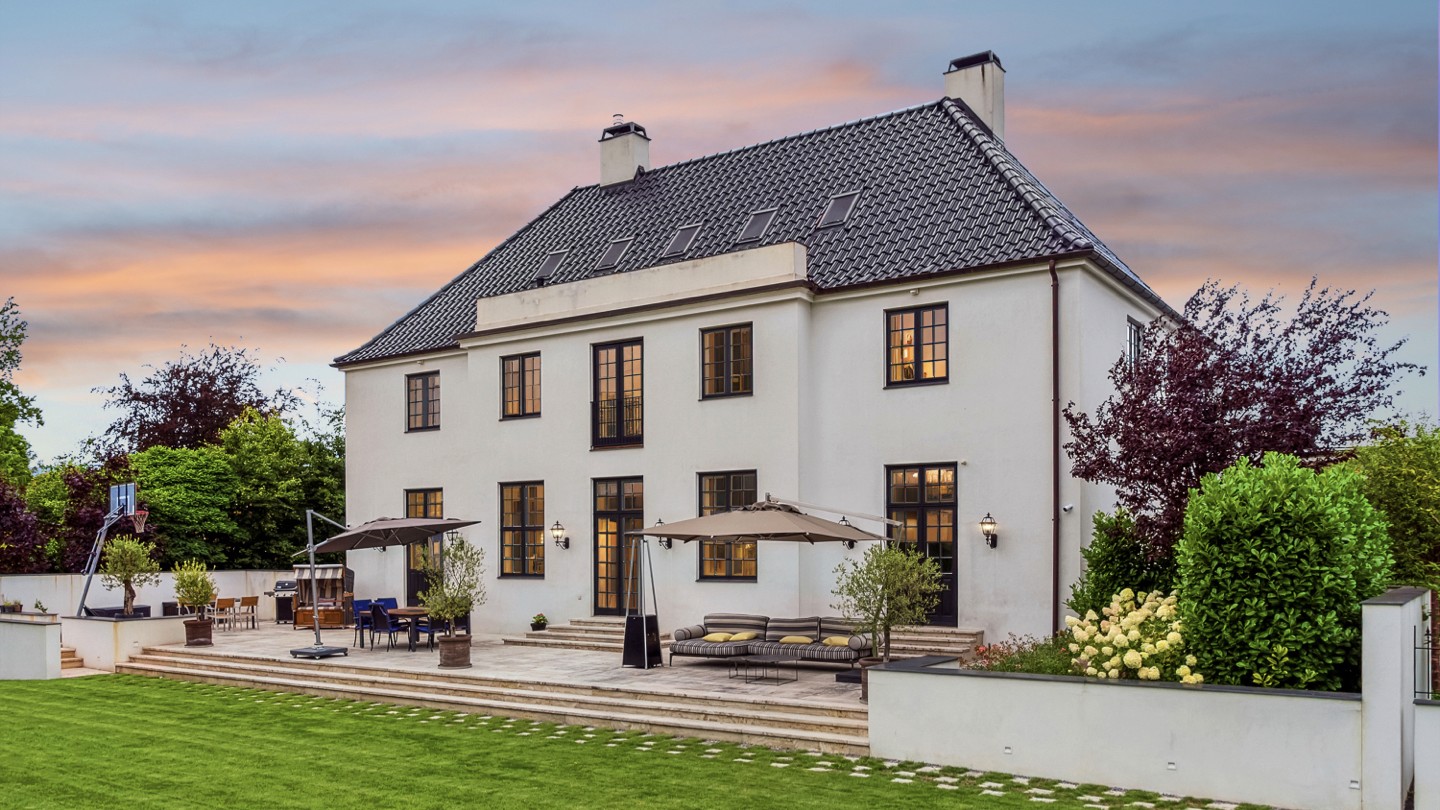
Premium buyers respond to images that feel intentional, not just corrected. In photo editing real estate for higher‑end listings, every decision about light, color, and composition shapes the story of how it feels to live there. This article walks through the core requirements for “soul” (atmosphere and emotional connection) and “style” (polished, cohesive, refined presentation), along with practical techniques, workflow structure, and the role of expert partners. Let’s look at what your premium editing standard needs to include.
When “Good Enough” Editing Isn’t Enough for Premium Listings
For mid‑market listings, basic corrections often feel acceptable: straighten the lines, fix exposure, adjust white balance, and move on. Premium listings operate on a different level. The price point, the audience, and the expectations are all higher, so the editing standard has to follow.
For premium work, “good enough” editing starts to show its limits:
Images feel technically correct but emotionally flat.
Beautiful materials (stone, glass, wood, fabrics) do not stand out.
Views are visible, but not highlighted as core selling points.
Light feels neutral instead of welcoming or atmospheric.
Premium buyers and agents look for images that communicate care, investment, and intention. If the editing stops at basic enhancement, the property may appear accurate on screen but fails to project the level of quality the price suggests. At that point, the listing is relying on specifications and floor plans to carry the story instead of using visuals to lead it.
Read more: Elevate Your Listings: The Importance of a Professional Real Estate Photo Editing Service
Soul: Atmosphere and Emotional Connection in Premium Real Estate Images
1. What “Soul” Means in Premium Real Estate Imagery
“Soul” in premium real estate imagery is the sense that the space has character and presence, not just square footage. It is the emotional impression a viewer gets in the first seconds of seeing a photo.
For premium listings, that usually means:
Cinematic, aspirational imagery that feels curated and deliberate.
Atmosphere that signals warmth, calm, exclusivity, or comfort depending on the property.
Visuals that go beyond documentation, suggesting how it feels to live, host, relax, or work there.
Editing decisions - how bright, how warm, which details are emphasized, either support that feeling or dilute it.
2. Light as Emotion: Twilight, Dusk, and Interior Warmth
Light is one of the most effective tools for building emotional connection in premium images.
Twilight & day‑to‑dusk editing can:
Turn a neutral daytime exterior into a warm, inviting dusk scene.
Emphasize exterior lighting, pathway lights, and pool glow.
Create a clear “arrival” feeling, as if the home is ready to welcome someone in.
Interior warmth and mood benefit from:
Moving away from flat, clinical neutrals in living areas and bedrooms.
Adding subtle warmth to shadows and highlights to suggest comfort.
“Turning on” lamps and layered lighting in post to avoid cold, empty‑looking rooms.
The goal is to make light feel intentional and layered, not harsh or over‑processed.
3. Lifestyle Storytelling in Framing and Edits
Premium buyers want to see how a space supports their lifestyle. Editing can help bring that to the surface.
Effective choices include:
Keeping fireplaces with a gentle flame visible when appropriate.
Letting soft lamp light and styled tables add human warmth to scenes.
Presenting terraces and outdoor areas as ready for evenings, with balanced light and clear detail.
Composition and editing can also highlight key lifestyle elements:
Treating city, ocean, mountain, or golf course views as hero elements through careful exposure and contrast.
Giving attention to quiet working zones and relaxation corners so they read clearly in the frame.
At the same time, it is important to:
Stay within tasteful boundaries, avoiding heavy filters, unrealistic skies, or obvious visual tricks.
Keep the focus on the property, not on the editing itself..
4. Subtle Color Grading for a Premium Feel
Color grading for premium listings leans toward an editorial look rather than aggressive HDR. Subtlety is what makes the images feel expensive and carefully produced.
Key principles:
Enhanced but not oversaturated color so materials stay believable.
Clean whites and controlled contrast, avoiding harsh edges and clipped highlights.
Smooth tones in walls, ceilings, and large surfaces, without banding or noise.
The color palette should also reflect the property and brand:
Coastal: slightly cooler, airy tones with gentle warmth in key areas.
Urban: refined neutrals, clear definition, and a controlled, modern contrast.
Heritage: warmer hues, rich but balanced colors that respect original materials.
Ultra‑modern: crisp, minimal grading that keeps everything clean and precise.
When color grading is handled this way, the images support both the emotional “soul” of the property and the polished style that premium buyers expect.
Read more: Key Factors to Consider When Choosing Real Estate HDR Photo Editing Services for Peak Season
Style in Photo Editing Real Estate: Polished, Cohesive, and Refined
1. From Documentation to “Magazine‑Quality” Presentation
In the premium segment, style is a deliverable, not an extra. Photos are expected to look curated, intentional, and consistent from the first thumbnail to the last detail shot. This is where photo editing real estate moves beyond simple documentation.
Strong visual style shows:
Every frame has been considered, not just corrected.
The property is presented with the same care as a high‑end product or brand.
The agent, photographer, or developer invests in quality and detail.
For premium buyers and agents, that level of polish becomes visible proof of professionalism and care.
2. Advanced Capture and Editing Techniques for Premium Work
High‑end style starts at capture and is completed in post.
Flambient (flash + ambient blending) helps premium interiors look both accurate and inviting:
Delivers true color on walls, cabinetry, and furnishings while keeping a natural feel.
Preserves the ambient mood of the room, so lighting looks lived‑in rather than flat.
Reduces harsh shadows and color casts that are hard to fix with global sliders alone.
By blending flash and ambient frames thoughtfully, editors can support both realism and mood, which is essential for premium results.
Window management and “window pulls” are just as important:
Balance interior exposure so rooms feel bright and open.
Keep exterior views readable and attractive, instead of letting them clip to white.
Handle bright outdoor scenes with careful masking so skies, trees, or cityscapes stay visible without overpowering the interior.
These techniques make a major difference in how premium spaces photograph, especially when views are a key selling point.
3. Geometric Precision and Architectural Respect
Premium photos must respect the architecture. Small distortions that might pass in a standard listing stand out immediately in higher‑end marketing.
Key requirements:
Vertical and geometric accuracy
Walls, doors, cabinetry, and large furniture should have clean, true verticals.Lines should not lean or bend unless deliberately composed that way.
Avoiding distortion
Minimize wide‑angle stretching at the edges of the frame.
Keep ceilings, floors, and major structural elements looking solid and believable.
Composition and crop discipline
Respect key lines, symmetry, and sightlines in the original architecture.
Avoid awkward crops that cut through important features or create imbalance.
This level of precision gives images a calm, stable quality that feels refined and expensive.
4. Flawless Decluttering and High‑End Virtual Staging
Premium listings leave very little visual noise for the viewer to process. Editing should clean and refine without erasing character.
Decluttering standards for premium work typically include:
Removing cords, bins, small appliances, and stray objects.
Minimizing personal items such as family photos or paperwork.
Addressing awkward reflections in glass, mirrors, and polished metal.
Smoothing and cleaning surfaces so they appear cared for and well maintained.
The result is a simplified scene that highlights materials, finishes, and design.
Virtual staging for high‑end listings must meet a higher bar:
Use hyper‑realistic furniture and decor that align with the property’s architecture and price point.
Match lighting direction, intensity, and color to the base image so staging feels integrated.
Ensure shadows and perspective are consistent across all staged elements.
Avoid generic, low‑resolution, or obviously fake assets that weaken trust.
Done well, virtual staging completes the story of the space instead of distracting from it.
5. Cohesion Across the Entire Photo Set
Premium presentations are cohesive. Viewers should be able to scroll through a full gallery and feel a single, steady visual language.
Non‑negotiables include:
Consistent color tone, brightness, and contrast across all images.
No mixing of radically different styles (e.g., heavy HDR on some shots and soft editorial on others).
Reliable color accuracy for premium materials:
Whites that are neutral and clean.
Wood, stone, and textiles that look true to the property.
Metals that retain their correct finish (chrome, brass, matte black, etc.).
To achieve this, editors rely on:
Advanced masking for targeted adjustments (windows, ceilings, fixtures).
Local corrections for specific areas instead of global changes that affect everything.
Layered work in Lightroom and Photoshop to fine‑tune problem spots without introducing artifacts.
This level of control is what keeps a premium set looking polished as a whole, not just image by image.
Read more: Best Real Estate Photo Editing Services for the US
Building a Premium Photo Editing Real Estate Workflow
1. Planning for Soul and Style Before the Shoot
A premium outcome starts well before any editing begins. Planning helps ensure that “soul” and “style” are captured in camera and then refined in post.
Effective pre‑production includes:
Capture strategy for flambient, window pulls, and key hero angles.
Deciding where multiple exposures are needed.
Identifying rooms and views that require special attention.
Coordination with staging and styling teams
Aligning on how spaces should feel: family‑oriented, resort‑like, executive, or creative.
Ensuring props, textiles, and lighting support that direction.
Prioritizing moments and spaces with emotional weight
Entry sequences, main living areas, primary suites, spa bathrooms, signature outdoor spaces.
With this plan in place, the editing phase can focus on refining what was intentionally captured rather than rescuing weak material.
2. Defining Your Premium Editing Standards
Premium results are easier to achieve and scale when standards are written down and shared.
A clear style guide might include:
Target brightness and contrast ranges for interiors and exteriors.
Preferred white balance ranges for different property types or times of day.
Rules around warmth, color grading, and black levels to keep the look consistent.
Alongside the style guide, a practical checklist for each gallery helps maintain quality:
Atmosphere
Does each key space convey a clear mood and lifestyle cue?
Are twilight, dusk, or interior warmth used appropriately where needed?
Consistency
Do all images feel like they belong to the same set and brand?
Are there any outliers that are too dark, too bright, or differently graded?
Technicals
Are verticals clean and distortion controlled?
Is sharpness appropriate across the set?
Have clutter, distractions, and problem reflections been addressed?
Are window views balanced and readable where they matter?
These standards turn “premium” from a vague idea into a repeatable process.
3. Combining AI and Expert Editors for Premium Output
Modern premium workflows often blend automation with specialist skills. The goal is to let technology handle repetitive tasks while human experts focus on nuance.
AI can efficiently support tasks such as:
Base HDR merging and tone mapping.
Initial perspective correction and lens profile application.
Noise reduction and base sharpening.
First‑pass exposure and color balance adjustments.
These steps provide a strong foundation, but they rarely deliver a finished premium look on their own.
Senior editors add the expertise needed for high‑end results:
Manual flambient blending to maintain both realism and mood.
Refined color grading that supports the property’s story and brand.
Lifestyle‑oriented tweaks: lamp glow, flames, sky choices, and small detail fixes.
High‑end virtual staging, including asset selection, shadow work, and alignment with the architecture.
Application of brand‑specific styles for repeat clients and portfolios.
A robust quality‑control layer closes the loop:
Human QA on all hero images (homepage shots, main thumbnails, key interior and exterior frames).
A full‑set pass for high‑value listings to confirm consistency, accuracy, and adherence to the style guide.
Read more: 5 Latest Real Estate Photo Retouching Tips for US Agents
How Esoft Supports Premium Visual Standards
Esoft partners with real estate media companies and enterprise brokerages that handle high photo volumes, operate across multiple locations, and focus on premium and luxury listings, where both soul and style have to be delivered at scale. With more than 20 years in the US market, our role goes beyond single orders into workflow stability, visual consistency, and protection of quality across full listing cycles.
Our hybrid AI‑plus‑human model is built for the type of photo editing real estate work described in this article:
AI supports repeatable steps like base HDR merging, perspective correction, and initial color balance.
Senior editors and quality leads refine flambient blends, window views, color grading, lifestyle details, and premium virtual staging in line with client style guides.
Key services supporting premium listings include:
Photo editing with advanced retouching, clutter removal, day‑to‑dusk, and twilight work.
Video editing for listings, brand stories, and social channels.
2D and 3D floor plans, including scan‑based workflows for accurate spatial communication.
3D visualization and virtual staging for high‑end furnishings, renovation concepts, and architectural renderings.
Centralized production via Coconut Portal, with API options for US media platforms to integrate ordering and delivery into existing systems.
Wrap Up
Premium listings need visuals with clear soul and consistent style. That means photo editing real estate work that respects architecture, manages light with intent, uses subtle color grading, and keeps a cohesive look across every frame. It also requires a workflow that blends AI efficiency with expert editors, clear standards, and strong quality control. When these elements come together, premium listings communicate value, lifestyle, and trust at a glance. If you want support building or scaling this level of output, get in touch with us!
Related Blogs

Transform Property Visuals Into Revenue Drivers With HDR Image Blend Service
Photo Editing
5 Best photo editing software for real estate photography in Australia
Photo Editing
Which Styles Are Most Popular Among Virtual Staging Company In The Us?
3D Visualization
How Photography Editing Companies Work With Real Estate Media Franchises?
Photo Editing



Linh Phan
Content Strategy Executive
No Spam, Just Updates
Our fresh blogs provide technical and industrial information that helps strengthen your business. Sign up to be the first to receive the new updates