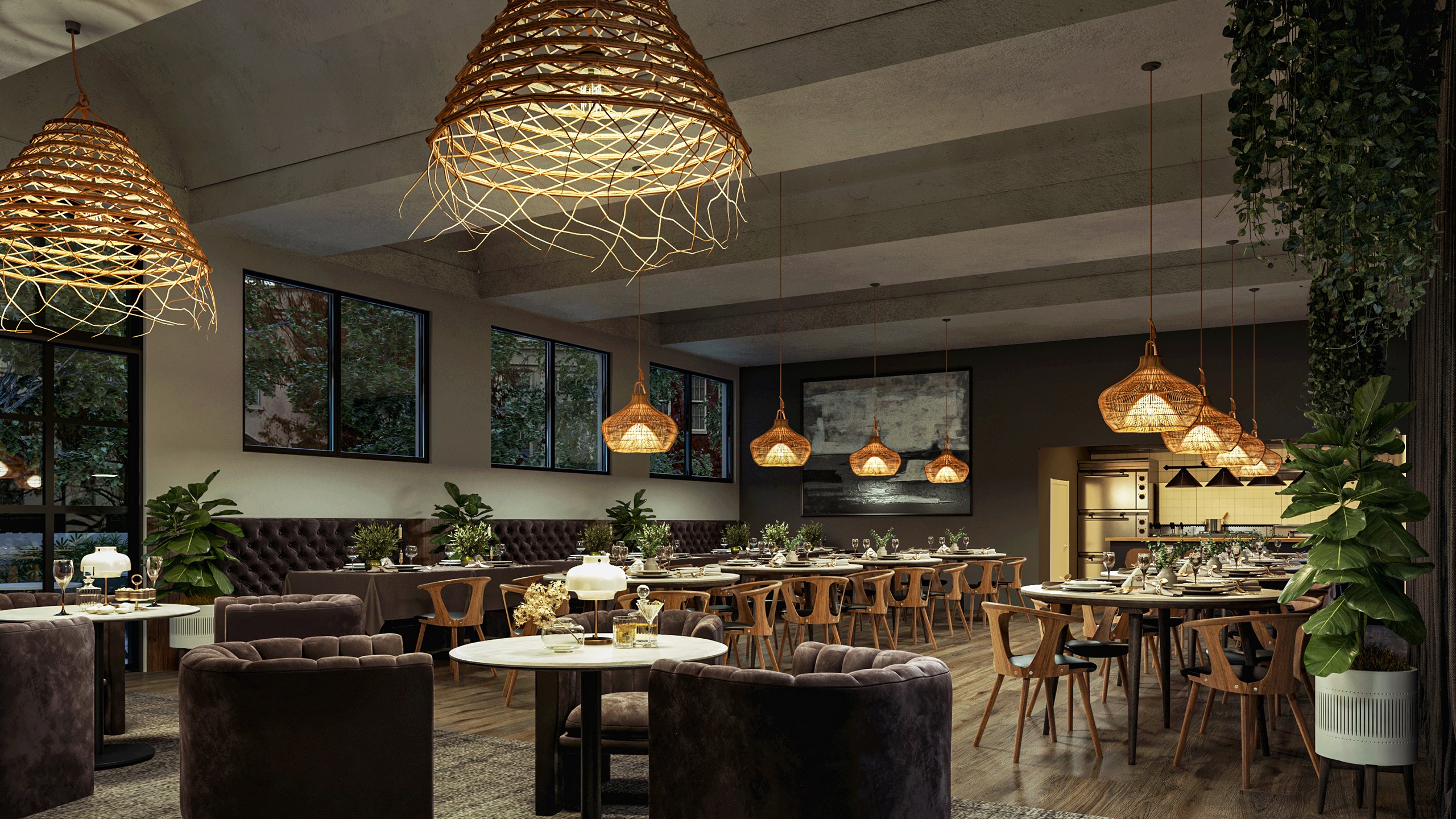
Leasing a floor, selling an office building, or marketing a logistics park is very different from listing a family home and your images need to reflect that. Commercial real estate photo editing focuses on clarity, accuracy, and the details decision‑makers care about: usable area, access, infrastructure, and condition. The goal is to support business cases and presentations, not just create a lifestyle mood. In this guide, we will explore what changes from residential work, key editing techniques, and where professional support adds value.
What Is Commercial Real Estate Photo Editing?
Commercial Real Estate Photo Editing Definition
Commercial real estate photo editing is the process of preparing images of offices, retail, industrial, hospitality, and mixed‑use properties for leasing and investment use. It includes exposure and color corrections, perspective fixes, cleanup, and selective enhancements aimed at helping brokers, landlords, and investors evaluate space quickly and accurately.
The objective is to make key features easy to read across pitch decks, data rooms, portals, and marketing materials, while staying aligned with compliance and disclosure expectations in commercial deals.
Core Differences in Commercial vs. Residential Photo Editing
Goal & Audience
Residential targets buyers and renters, thinking about daily life.
Commercial speaks to tenants, occupiers, and investors who assess layout, capacity, access, and return. Images must support financial and operational decisions, not just emotional appeal.
Accuracy Over Emotion
Commercial photos need to feel reliable and in line with on‑site reality.
Editing choices are guided by a clear representation of dimensions, finishes, and condition, so there are no surprises during inspections or negotiations.
Technical Corrections
Strong emphasis on straight verticals and horizontals, correct scale, and controlled distortion.
Exterior and interior shots must maintain architectural integrity so that ceiling heights, corridor lengths, and facade proportions are believable.
Extensive Object Removal
Temporary clutter - construction items, leftover furniture, pallets, cones, or incidental personal items- is commonly removed.
The goal is to reveal the space and its structure, not to hide permanent issues or change the building.
Advanced Enhancements
Sky replacement, window correction, glare reduction, and selective local adjustments are used to improve clarity and readability.
Lighting is balanced so floor plates, loading zones, car parks, and circulation areas are easy to understand at a glance.
Higher Quality Standards
Commercial assets are often part of high‑value transactions and portfolio reporting.
Files must hold up in large print, presentations, and investor documents, which demand clean noise levels, accurate color, and precise geometry.
Read more: Top 9+ Real Estate Photography Tips for Photo Editing
From “Home Feel” to “Business Case”: How Editing Goals Change
Lifestyle Appeal in Residential
Residential editing is built around how it feels to live in a space. Typical choices include:
Warm color tones and cozy staging to highlight comfort and atmosphere.
Emphasis on decor, soft furnishings, and styling that help buyers imagine daily routines.
Gentle enhancements that support emotion: brighter living rooms, inviting bedrooms, and appealing outdoor areas.
Here, minor imperfections are often softened if it helps tell a positive story about life in the home.
Business Clarity in Commercial
For commercial assets, the focus shifts from lifestyle to usability and performance. Editing aims for a neutral but polished look, with balanced, accurate color and lighting. Priority areas include:
Space efficiency
How open plans work, where meeting rooms sit, how breakout areas connect.
Clear visibility of circulation routes and usable floor area.
Technical features
Floor‑to‑ceiling height, column spacing, loading docks, roller doors, goods lifts, and storage zones.
Power, HVAC, and other visible infrastructure elements that influence operations.
Amenities and access
Parking layouts, signage visibility, entrances, lobbies, elevators, and common areas.
Street frontage and proximity to transit or key roads, often shown via well‑edited context shots.
Implications for Editing Style
These different goals lead to a distinct editing approach:
Less emphasis on “romanticizing”
Commercial images are still refined, but with more focus on clean, honest, and professional presentation than on creating a soft, emotional feel.
Clarity over decoration
Edits prioritize visibility of structure, layout, and features rather than styling or mood.
Color grading remains neutral, so materials and finishes look true to life.
Care around representation and compliance
Editors avoid changes that could misrepresent capacity, condition, or safety, such as removing columns, masking damage that affects use, or exaggerating space.
The role of editing is to clarify what is there, reduce distractions, and present the property in a well‑organized way that supports informed decisions.
Read more: The Best Ways To Outsource Real Estate Photo Editing For A Multinational Photography Company
7 Key Commercial Real Estate Photo Editing Tips
Commercial images need to read clearly in decks, data rooms, and online listings. The aim is to make spaces easy to understand while staying accurate and compliant. These seven areas are where editing has the biggest impact.
1. Perspective and Geometry
Clean geometry is one of the fastest visual signals of professionalism in commercial work.
Keep verticals and horizontals straight for an architectural, stable look.
Correct lens distortion and converging lines, especially on tall facades, atriums, and long corridors.
Maintain true proportions so ceiling height, room depth, and corridor length are not exaggerated or compressed.
2. Managing Complex Lighting
Commercial properties often mix fluorescent, LED, daylight, and signage in one frame. Editing needs to bring these together without breaking realism.
Expect mixed lighting and plan to correct it: overhead fixtures, window light, and illuminated signs.
Balance exposures so you avoid dark corners and blown‑out windows or screens.
Reduce color casts from fixtures (green, magenta, yellow) while keeping the overall feel believable for that asset type.
3. Neutral, Consistent Color Grading
In commercial, color should support reading the space and finishes, not set a “homey” mood.
Aim for a clean, neutral color grade that lets materials (concrete, glass, metal, timber) speak for themselves.
Follow brand or landlord preferences for contrast, saturation, and sky treatment where they exist.
Avoid overly warm, residential‑style tones that can look out of place in offices, warehouses, or logistics brochures.
4. Representation Standards and Compliance
Because commercial deals are high‑value and heavily documented, editing must respect both ethics and regulations.
Do not remove structural elements, visible damage, or important building features that influence leasing or sale decisions.
Avoid any edit that substantially changes the perceived size, layout, or condition of a space.
Use editing to clarify - reduce noise, correct color, improve readability, not to mislead about capacity, safety, or compliance.
5. Context and Access Shots
Context matters more in commercial than in most residential projects. How people and goods reach the site is often as important as the interior.
Prioritize context images that show:
Street frontage and signage visibility
Loading bays and turning areas
Parking lots and bike storage
Entrances, lobbies, and access to transit or main roads
Edit these shots to:
Enhance wayfinding clarity - signs, entry points, and routes should be easy to read.
Keep surrounding infrastructure bright, sharp, and legible in presentations and PDFs.
6. Cleanup and Distraction Removal
Most commercial sites are working environments. Editing should clear temporary noise while keeping the asset truthful.
Remove short‑term clutter such as cones, random pallets, excess furniture, shipping boxes, tools, and personal items.
Tidy reflections and glare on glass, polished floors, metal, and screens where they obscure important details.
Keep edits believable by leaving permanent fixtures and safety elements (sprinklers, exit signs, handrails, bollards) in place.
7. Show Both “As-Is” and “Potential” (When Appropriate)
For value‑add or redevelopment opportunities, edited imagery can help stakeholders understand both current use and future options - if it is clearly labeled.
Offer “as‑is” images that are clean and accurate, showing current condition and layout.
When relevant, add carefully marked “potential” or “proposed” visuals, such as:
Lights‑on vs. lights‑off versions
Light virtual furnishing in coworking or flexible office areas
Simple concept overlays for new seating or layout ideas
Ensure every conceptual edit is clearly identified, so investors and tenants can distinguish existing conditions from plans.
Read more: 2026 Peak Season: Scale with real estate photo editing outsourcing
How Professional Commercial Real Estate Photo Editing Services Add Value
Commercial teams juggle leasing, acquisitions, asset management, and reporting. Editing is essential, but it does not always fit smoothly into internal workflows. This is where specialist support becomes useful.
Why Many CRE Teams Don’t DIY Their Editing
For brokers, asset managers, and marketing teams, time is usually better spent on deals and stakeholder relationships.
In‑house editing can slow delivery of brochures, teasers, and data room updates.
Skills and tools vary across markets, which can lead to uneven quality.
Outsourcing lets internal teams focus on core work while specialists handle technical corrections, cleanup, and consistency.
Consistency Across Large Portfolios
Portfolios often cover many buildings, cities, and photographer styles, yet investors and tenants expect a unified brand presence.
Shared editing standards ensure geometry, color, and contrast look aligned across office, retail, and industrial assets.
New acquisitions, refurbishments, and re‑leases can be integrated visually with existing material.
Centralized guidelines help maintain a cohesive brand identity in presentations, IMs, and online listings.
Speed for Time‑Sensitive Deals
Deals move quickly, and visuals are a core part of pitches and negotiations.
Dedicated editing teams can scale up for large batches and tight deadlines.
Turnaround times stay predictable during pitch seasons, roadshows, and major leasing pushes.
This allows brokers and asset managers to respond faster to information requests and investor questions.
Specialized Knowledge
Editors who understand commercial property requirements can tailor their choices to what matters most for each asset type.
Emphasizing ceiling height, column spacing, loading, and turning radii for industrial and logistics.
Highlighting visibility, footfall routes, and signage for retail.
Clarifying floor plates, core locations, shared amenities, and access for office buildings.
Read more: Real Estate Photography Tips Every Photographer Needs to Know in 2026
Esoft - Trusted Photo Editing Services for Commercial Real Estate by Industry Leaders
For more than 20 years, Esoft has supported commercial real estate owners, developers, and brokerages with photo editing that matches the demands of leasing, investment, and asset management work. Our teams handle everything from single‑asset campaigns to large portfolio programs across multiple markets and photographer groups.
A hybrid AI–human workflow keeps delivery efficient while preserving editorial control where it matters most - geometry, representation standards, and brand consistency:
AI assists with baseline tasks such as exposure, noise, and color normalization.
Experienced editors refine perspective, cleanup, and local adjustments for complex interiors and exteriors.
Dedicated QA steps help ensure consistency across assets, markets, and vendors.
Esoft operates under recognized quality and information‑security frameworks (including ISO‑certified systems) to support clients who work with sensitive investment and portfolio information.
Over the years, we have delivered commercial real estate photo editing for global and regional brokerages managing multi‑country portfolios.
Conclusion
Commercial real estate photo editing supports clearer decisions by presenting space, access, and amenities in a precise, reliable way. When geometry, lighting, color, context, and representation standards are handled with care, images work effectively in pitch decks, data rooms, and marketing campaigns across assets and markets. Partnering with a specialist team adds capacity, consistency, and sector knowledge without stretching internal resources. To align your commercial visuals with these standards and workflows, get in touch with Esoft!
Related Blogs
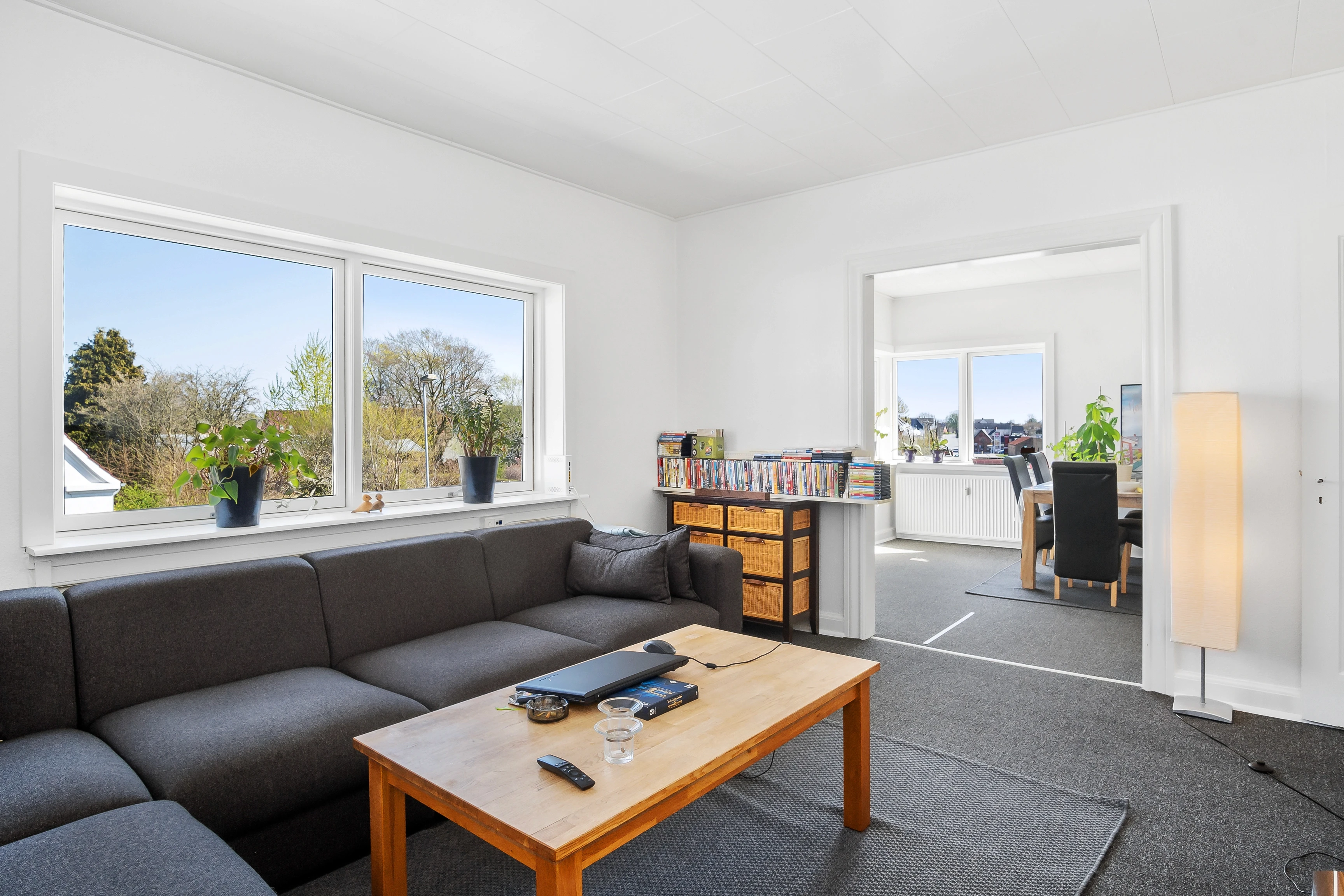
Virtual decluttering in real estate photo editing
Photo Editing
Flambient Real Estate Photo Editing: A Complete Guide for Perfect Lighting
Photo Editing
Commercial real estate photo editing: What's the difference?
Photo Editing
Fast real estate photo editing: The new standard of turnaround time and quality
Photo Editing



Linh Phan
Content Strategy Executive
No Spam, Just Updates
Our fresh blogs provide technical and industrial information that helps strengthen your business. Sign up to be the first to receive the new updates