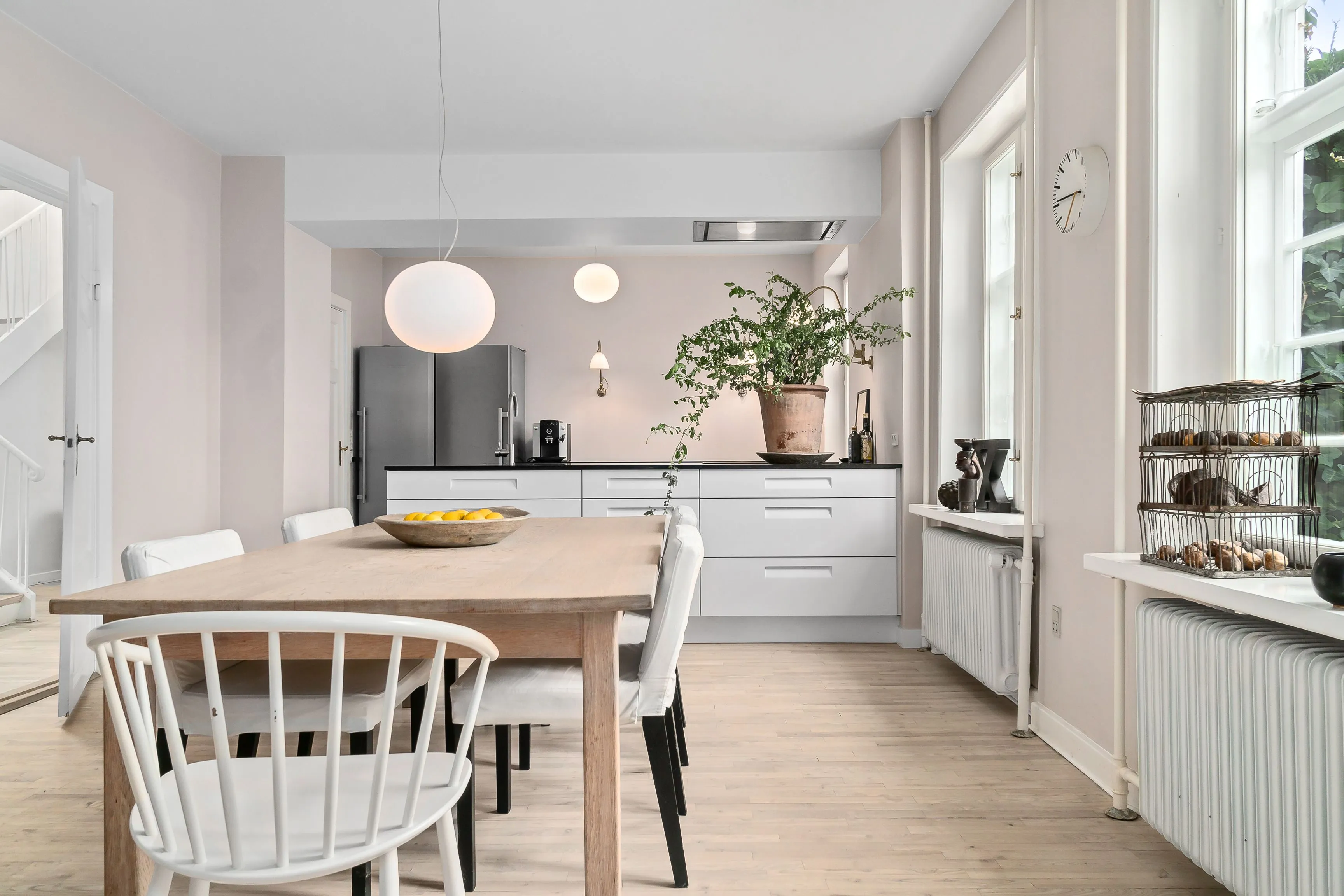
Fast real estate photo editing has shifted from a bonus to a baseline expectation for agents, photographers, and marketing teams. Listings move quickly, and visuals now need to be delivered in hours, not days, while still reflecting a clean, consistent brand. That means aligning your workflows, partners, and tools so speed never undercuts quality. In this guide, we will look at current turnaround standards, how to protect quality, and how professional services make both work at scale.
What Are New Turnaround and Quality Standards for Fast Real Estate Photo Editing 2026?
In 2026, “fast” does not mean the same thing for every type of job. Turnaround standards now depend on whether work is AI‑driven, human‑driven, or a mix of both.
1. Listing Photos
For standard listing sets, two clear service levels are emerging:
AI or hybrid base editing
Turnaround: often 2–12 hours for a full set, especially when using AI for exposure, color, and straightening.
Use case: routine listings, consistent style, high volume.
Implication: same‑day shooting, same‑day or early next‑morning delivery is realistic when workflows are well organized.
Premium, fully manual editing
Turnaround: typically 12–24 hours, sometimes up to 24–36 hours in busy seasons.
Use case: high‑end listings, tricky lighting, demanding branding requirements.
Implication: shoot in the afternoon, edit overnight, deliver by 9–10 a.m. the next morning for most standard photo sets.
Read more: Real Estate Photography Editing Services For Luxury Listings, What's The Difference?
2. Virtual Staging and Complex Edits
Virtual staging and heavy retouching still require more hands‑on work, even with AI support.
Turnaround: about 24–48 hours for 4–8 images, depending on complexity.
Typical tasks:
Virtual furniture and decor for empty rooms.
Decluttering and heavy object removal.
Advanced retouching to refine surfaces, lighting, or exterior elements.
Premium packages or large batches may need a bit more time, so service levels should be clearly stated in advance.
3. Video and Reels
Video continues to grow, and expectations differ between full productions and templated social clips.
Full listing videos with branding, music, titles, and smooth pacing:
Turnaround: roughly 48–72 hours.
Social reels and shorts built with pre‑designed graphics or presets:
Turnaround: around 24–48 hours, especially when built from a repeatable template.
Short‑form video is now often treated like fast photo work, with tighter timelines and clear style frameworks.
4. Quality Standards
Tighter deadlines have not lowered quality expectations. Fast real estate photo editing in 2026 is expected to deliver:
Bright, clean, natural‑looking images that feel inviting.
Balanced exposures, especially where interiors and windows meet.
Accurate verticals and perspective, so walls and frames look straight.
Consistent, pleasant color, with no strong color casts and no heavy over‑saturation.
In 2026, “fast” is only acceptable if it also looks consistent and professional.
Read more: Virtual Staging Real Estate Software: What AI Can Do Vs. What It Can’t
How to Maintain Speed Without Sacrificing Quality?
Fast turnaround only works if your photos still look reliable and on brand. That comes from how you organize people, partners, and tools.
1. Outsource Overnight
Overnight workflows are one of the most effective ways to extend your working day without adding local hours.
Work with editing teams in other time zones (for example, Vietnam, the Philippines, and similar regions).
Typical flow: you shoot during the day, upload in the evening, and receive edited files the next morning.
Benefits:
Maximizes your productive hours: you spend your day shooting, selling, and handling clients instead of late‑night editing.
Smooths out peak seasons: added capacity covers busy weeks without overloading your in‑house team.
With a reliable overnight partner, “next morning” delivery becomes standard instead of a special exception.
2. Set Clear SLAs (Service Level Agreements)
Clear promises support both speed and trust. SLAs turn general expectations into specific, trackable standards.
Define statements such as:
“Standard listing photos delivered by 10 a.m. next business day.”
“Virtual staging delivered within 48 hours for up to 8 images.”
Then use them in three ways:
With clients – so they know when to expect photos, staging, or video.
Internally – so your team understands priorities and schedules.
With partners – so external editors and vendors plan capacity around your needs.
Strong SLAs reduce last‑minute rushes and keep “fast” consistent across projects.
3. Use AI to Scale Smartly
AI is now a core ingredient in fast real estate photo editing, especially for high volumes.
AI focuses on base work:
Batch exposure, color, and noise corrections on large sets in minutes.
Automated straightening, simple sky enhancement, and lens corrections.
Style presets that align base edits with your brand.
Humans focus on what really needs them:
Complex twilight looks, virtual dusk, and creative lighting tweaks.
Detailed object removal and heavy decluttering.
Premium branding: local contrast, color nuance, and final polish for hero images.
Outcome:
You gain speed and consistency on routine tasks while retaining human judgment for the images that carry your brand and pricing story.
Read more: Best Real Estate Photo Editing Services for the US
How Professional Real Estate Photo Editing Services Deliver Fast Turnaround
Fast real estate photo editing at scale depends on structure. Professional teams build systems that let them move quickly without sacrificing quality.
1. Standardized Editing Workflow
Instead of treating every job as unique from the ground up, established services use clear, repeatable steps:
Defined stages from file intake → base corrections → fine adjustments → export.
Presets and templates tuned for each client, market, and listing type.
Documented rules for exposure, white balance, verticals, and handling interiors vs. exteriors.
This removes guesswork and keeps output predictable, even when multiple editors work on the same account.
2. Speed Through Structured Manual Editing
Manual work is still essential, but it becomes faster when editors follow a shared framework:
Editors rely on standard flows rather than inventing a new approach each time.
Specialized roles such as HDR teams, staging teams, and video teams reduce context switching.
Common tasks become second nature, which increases both speed and consistency.
The result is human editing that feels deliberate but moves at the pace your schedule requires.
3. Quality Control Without Slowing Delivery
Strong providers bake quality checks into the process so they protect standards without delaying files:
Spot checks on batches to catch issues early.
Extra review for new clients or new styles until preferences are fully understood.
Checklists for frequent problem areas: verticals, color casts, halos, oversaturation, and noise.
Feedback loops where client comments update style guides, presets, and internal notes.
This keeps quality moving in the right direction over time instead of resetting with each job.
4. Scalable Team Structure for Reliable Turnaround
Fast turnaround is not just about individual editors; it is about how the whole team is organized:
Shift patterns that cover multiple time zones and enable real overnight work.
Surge planning for peak seasons, with extra capacity and backup teams ready.
Account managers who coordinate priorities so urgent jobs fit in without disrupting everything else.
With this structure in place, fast delivery becomes a dependable standard rather than a one‑off favor.
Read more: Top 5 Real Estate Photo Editing Outsourcing for 2026
Esoft - Professional Real Estate Photo Editing Services for Worldwide Partners
With 20+ years of experience in real estate imagery, Esoft supports leading property brands that need fast, predictable editing at scale. We work as an extension of your team, handling daily listing sets as well as high‑impact campaigns across different markets.
Our hybrid AI–human workflow uses AI for rapid base edits and automation, then adds specialist editors and structured QA to fine‑tune perspective, color, and detail. This lets you meet tight deadlines while keeping a stable, on‑brand look.
Esoft delivers premium services across listing photos, virtual staging, aerial edits, and social or video assets, all backed by clear turnaround commitments. Every process is designed around two goals: speed that keeps your pipeline moving and quality that supports your reputation.
Takeaways
Fast real estate photo editing is now part of how agents, photographers, and marketing teams stay competitive. Clear turnaround standards for photos, staging, and video set expectations, but the real difference comes from how you protect quality while moving faster. That means overnight workflows, solid SLAs, smart use of AI for base work, and professional teams with defined processes and quality control. When these elements align, you get consistent, listing‑ready visuals without adding extra strain to your day. If you want a partner that combines speed and quality at scale, don’t hesitate to contact us!
Related Blogs
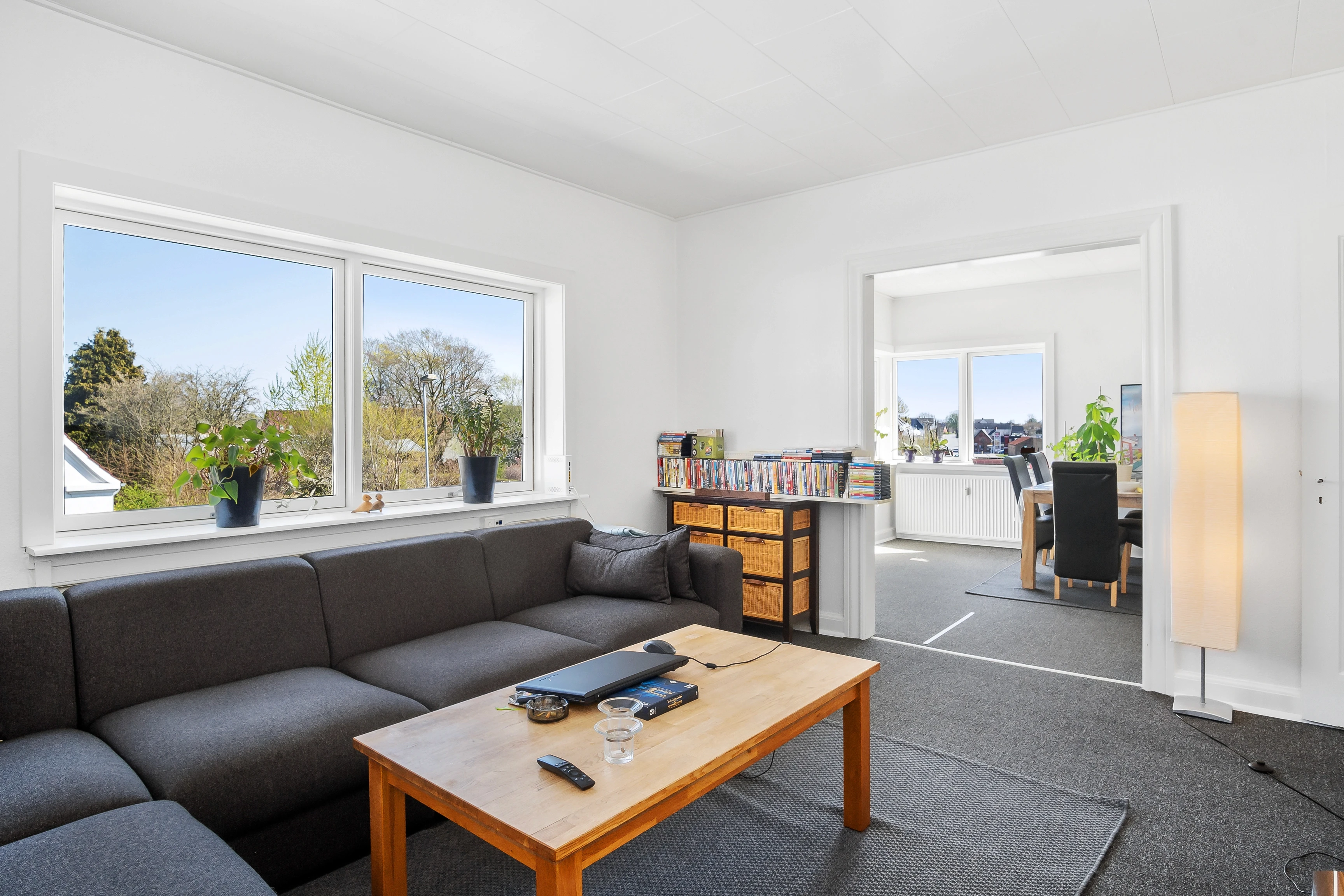
Virtual decluttering in real estate photo editing
Photo Editing
Flambient Real Estate Photo Editing: A Complete Guide for Perfect Lighting
Photo Editing
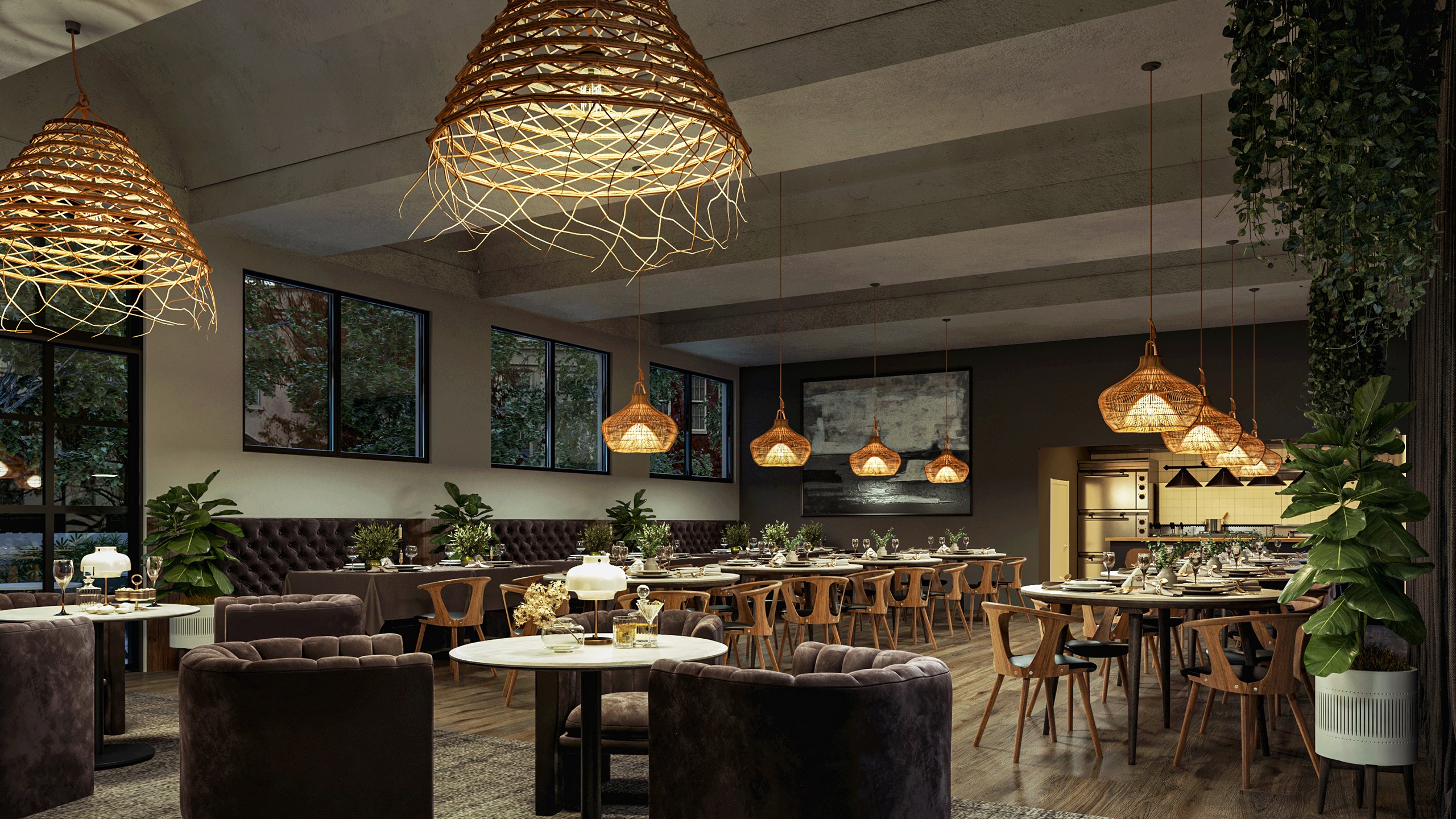
Commercial real estate photo editing: What's the difference?
Photo Editing
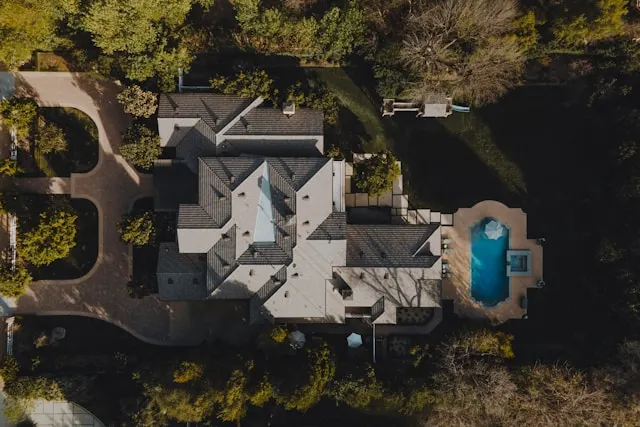
Aerial Photo Editing Services for Real Estate: How to Showcase Your Property at Its Best
Photo Editing



Linh Phan
Content Strategy Executive
No Spam, Just Updates
Our fresh blogs provide technical and industrial information that helps strengthen your business. Sign up to be the first to receive the new updates