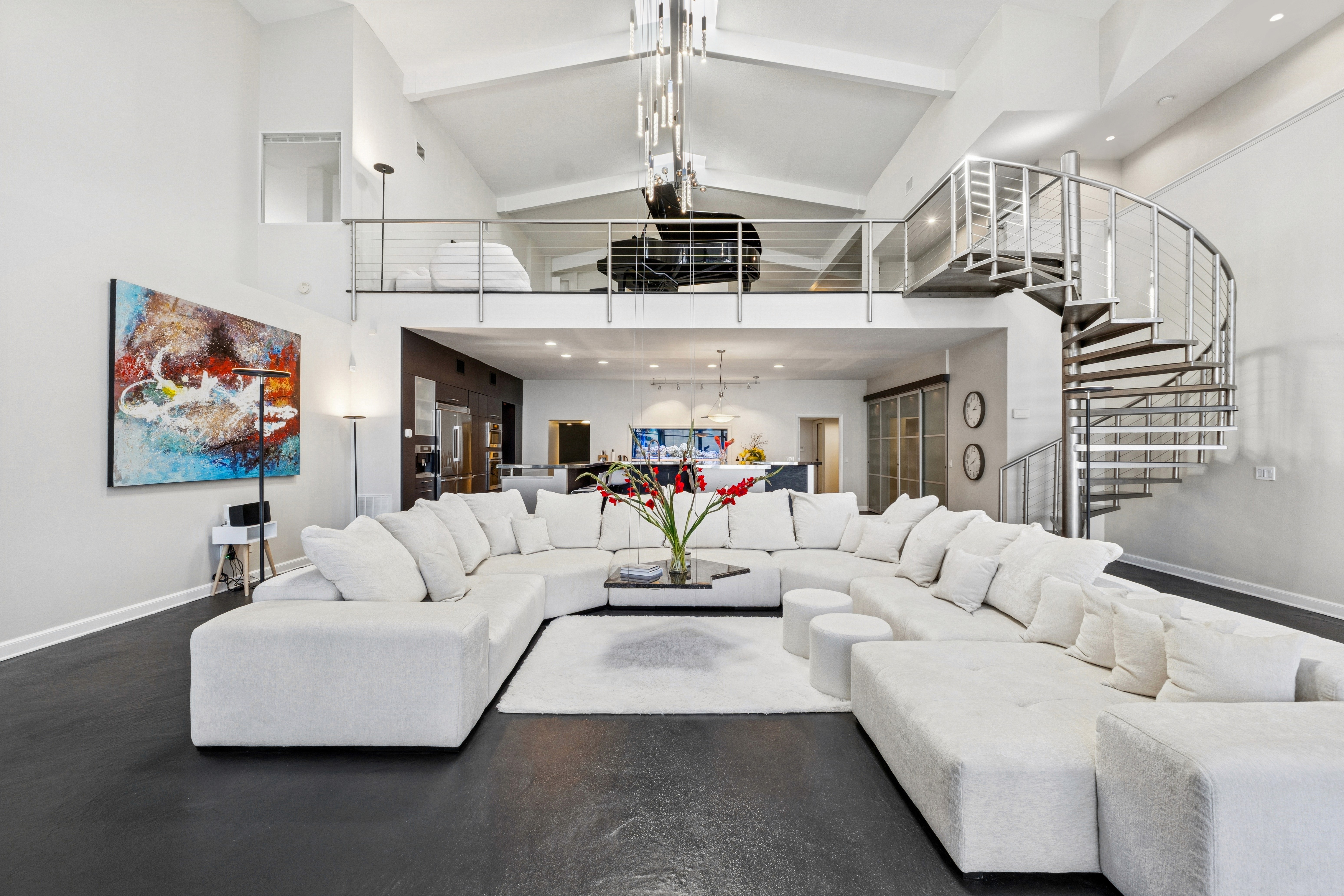
Luxury listings live or die on how they look the moment a buyer opens the gallery. At this level, real estate photography editing services are not just about fixing exposure. The work is much more than that. These services shape how buyers read quality, detail, and lifestyle in every frame. The difference lies in the level of craftsmanship, customization, and storytelling applied to each image, and in how well your partner can support a full portfolio of high‑end properties. In this article, we’ll break down what makes luxury editing unique and how to choose the right service for your listings.
The Power of First Impressions in Luxury Real Estate
In the luxury segment, a buyer’s opinion forms in seconds, often before they read a single line of copy. High‑net‑worth buyers scan photos to judge quality, craftsmanship, and lifestyle right away, and they expect every frame to feel intentional and refined.
Data backs this up:
72.2% of Realtors say high‑quality photography helps them win more listings (Boom).
For 87% of buyers, photos are the primary factor in their initial assessment of a property (NAR).
For luxury listings, that means no tolerance for sloppy composition, uneven editing, or inconsistent style.
What Is High-End Real Estate Photo Editing?
High‑end real estate photo editing goes far beyond basic exposure, white balance, and a quick contrast bump. It is a deliberate process focused on precision, subtlety, and storytelling that supports the price point and brand.
Instead of relying on one‑click presets, editors work image by image to:
Apply extremely careful retouching, down to pixel‑level corrections
Maintain clean lines and architectural integrity
Remove visible artifacts, halos, and over‑processed effects
Customize the look and mood for each property, not force everything into a single default style
The goal is to create a cohesive set of images that feels tailored, polished, and true to the character of the home.
Rread more: Top 9+ Real Estate Photography Tips for Photo Editing
Common (But Elevated) Editing Techniques for Luxury Listings
1. Precision Exposure and Color Grading
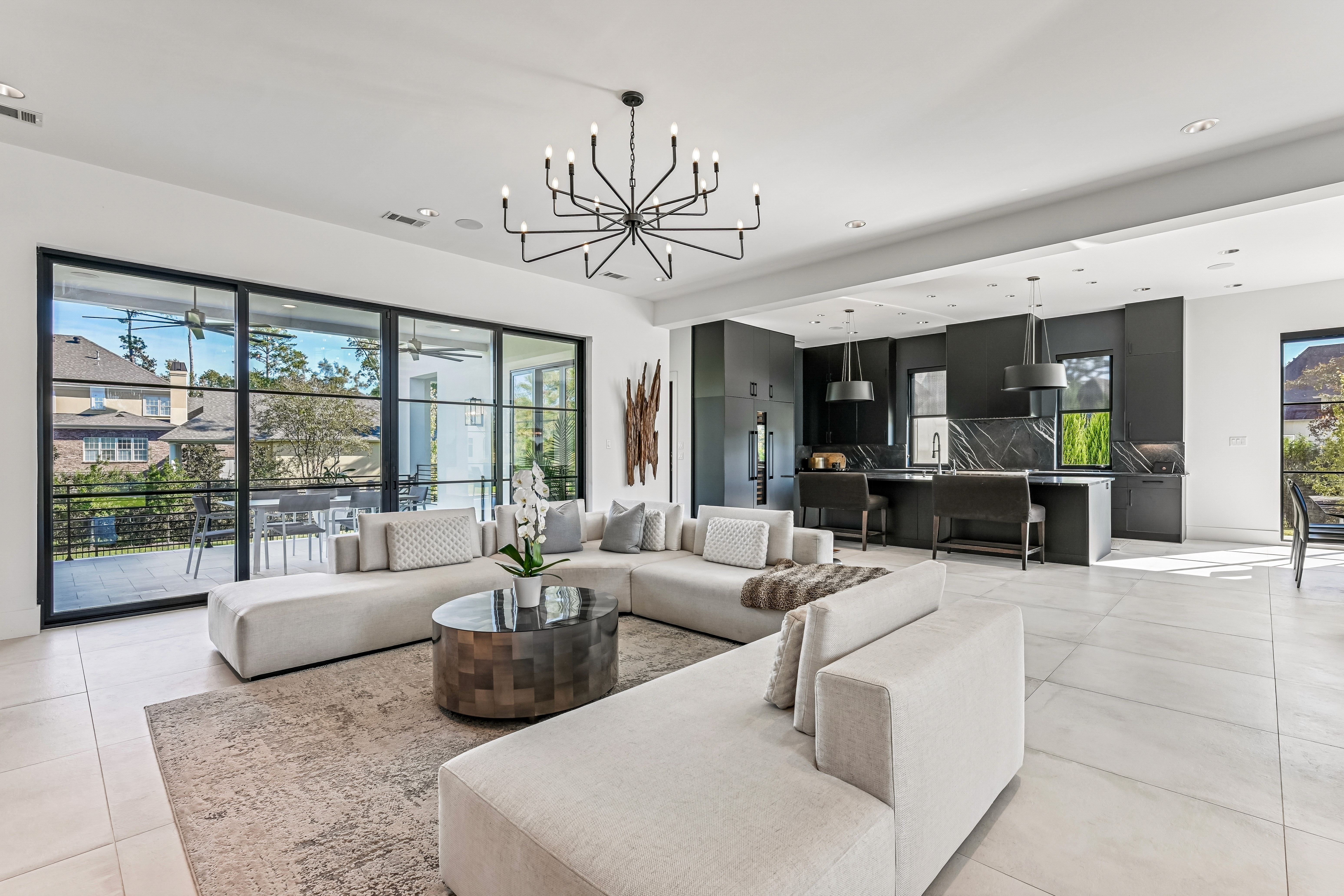
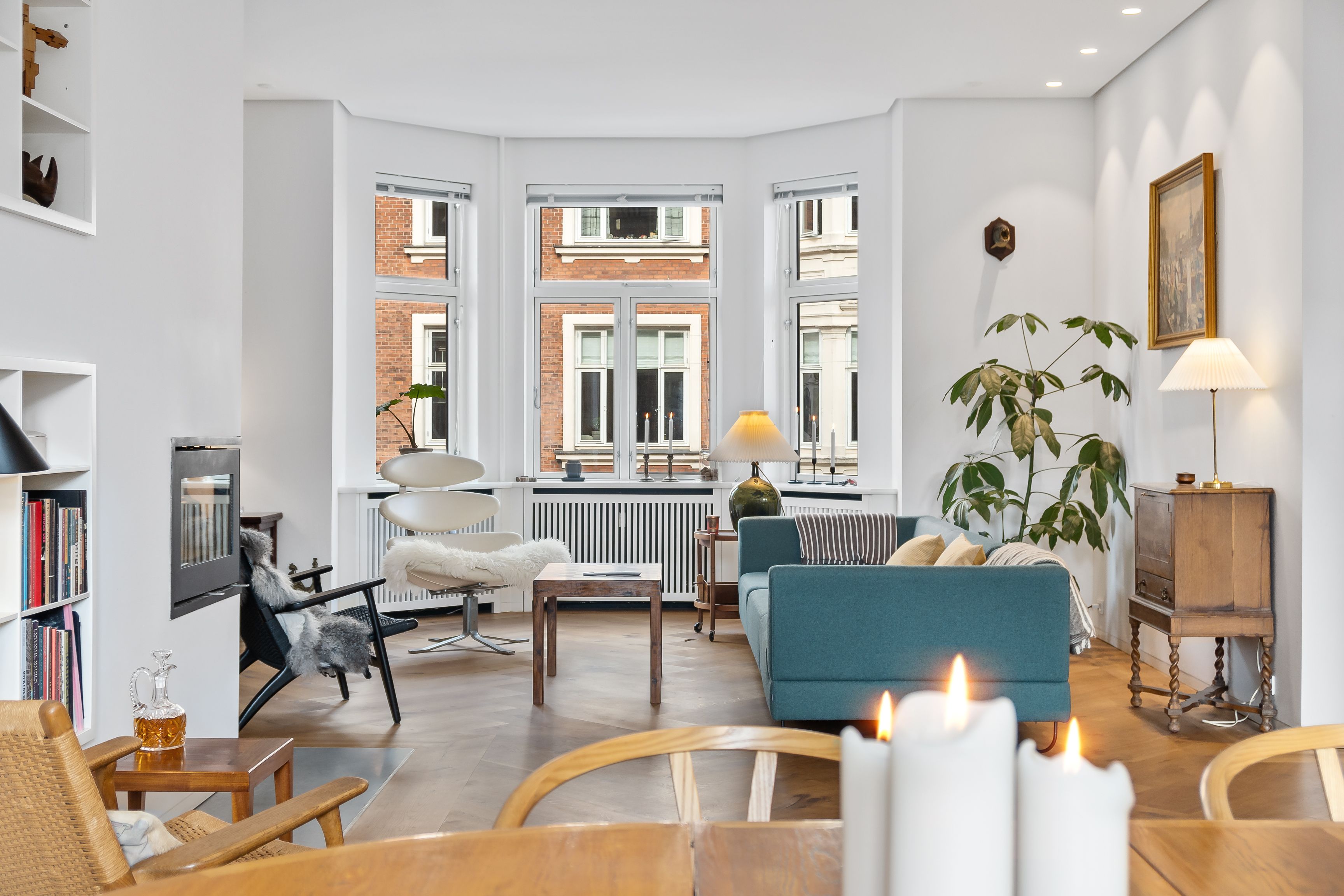
For luxury listings, exposure is balanced so interiors feel bright and inviting while views through the windows remain visible and natural. Editors carefully control highlights, shadows, and midtones to preserve context outside without losing interior detail.
Color grading is custom to each project. The goal is to:
Enhance premium materials such as marble, natural stone, timber, and metals
Maintain accurate whites and neutrals
Shape a clear mood: warm and inviting, cool and sophisticated, or dramatic and moody, depending on the property and brand
2. Perspective, Lines, and Architectural Integrity
Straight lines signal quality. High‑end editing includes meticulous correction of:
Vertical and horizontal lines
Lens distortion and wide‑angle stretching
This ensures walls, windows, cabinetry, and built‑ins feel solid and intentional. The architecture reads as premium, with no warped walls, leaning door frames, or skewed ceilings that might undermine the sense of craftsmanship.
3. Fine Detail Retouching and Clean‑Up
Small distractions stand out more in luxury photos, so editors spend time on:
Removing scuffs, wall marks, sensor dust, and minor reflections
Reducing outlet clutter and cable mess where appropriate
Cleaning up surfaces such as glass, chrome, stone, and high‑gloss finishes
The aim is a polished, immaculate look that still feels believable, without plastic textures or over‑smoothed surfaces.
4. Advanced Lighting and Atmosphere
Lighting is sculpted, not just corrected. Through subtle dodging and burning, editors guide the viewer’s eye to:
Fireplaces and feature walls
Statement furniture and art pieces
Views, pool areas, or key architectural elements
Contrast is carefully controlled:
Soft, even transitions in tones
Smooth gradients in ceilings and walls
Highlights that feel rich, not blown out
This creates a luxurious atmosphere with depth and clarity, never harsh or overly punchy.
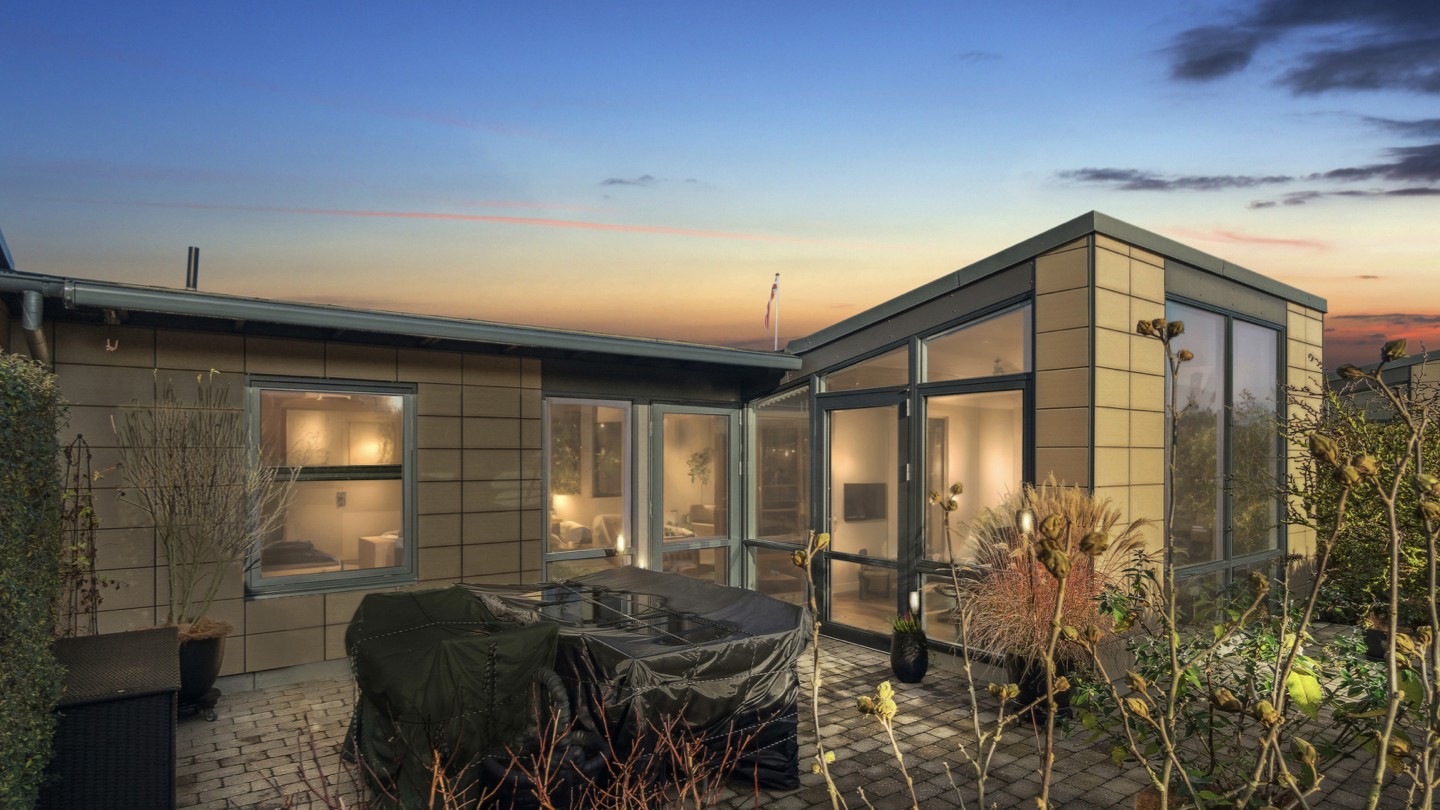
5. Exterior Perfection With Taste
Luxury exteriors are refined, not exaggerated. High‑end editing may include:
Sky replacement that matches the architecture and brand mood
Lawn and landscaping enhancement with natural greens and textures
Careful treatment of pools, water features, and outdoor lighting to achieve a resort‑like, yet believable feel
The result should support the property’s positioning without drifting into unrealistic or overly saturated images.
6. Consistency Across the Entire Set
Each image is edited with the full series in mind. Editors:
Keep color palettes, contrast, and white balance aligned
Maintain a consistent mood from entry to living spaces to bedrooms and exteriors
Ensure that materials and lighting feel the same from angle to angle
The consistency helps the listing read as a coherent visual story rather than a collection of disconnected images.
Read more: Best Real Estate Photo Editing Services for the US
Key Differences in Real Estate Photography Editing Services For Luxury Listings
1. Level of Detail and Handcrafting
The biggest gap between mass‑market and luxury‑focused editing is how much human attention each image receives. High‑volume services are designed for speed: they lean on templates, batch actions, and light manual touch‑ups to move large numbers of photos quickly. That can be fine for standard listings, but it often leaves subtle issues untouched in luxury work.
Luxury‑oriented teams slow down. Editors build each image carefully, sometimes working area by area to refine edges, textures, and transitions. They zoom in, check corners, and fix minor flaws that a template will miss. More craft per frame is what keeps premium listings from feeling generic.
In practice:
Mass‑market services: heavy use of presets and batch processing, minimal manual refinement
Luxury‑focused services: image‑by‑image adjustments, detailed checks at high zoom levels
2. Depth of Customization
High‑end properties rarely fit into a single visual mold. A branded penthouse, a coastal villa, and a restored historic estate all need different treatment. True luxury editing acknowledges this by customizing style to the property, the brand, and even the individual client.
Instead of forcing every project through one standard “look,” a strong partner will build and maintain custom style guides. They adapt grading, contrast, and mood based on architecture, materials, and market expectations, so each collection of photos feels tailored rather than stamped out.
This means:
Style is shaped around the property, brand, market, and client preferences
Color grading, contrast, and mood are unique per project, not one default preset
3. Emotional Impact and Storytelling
Technically correct images are the baseline; luxury clients expect more. The real goal is to make viewers feel something that fits the property’s positioning relaxed, inspired, impressed, or drawn in. Editing choices support this by guiding the eye and emphasizing key lifestyle cues.
Luxury‑focused services understand how to stage and light for narrative, then refine the files so that story comes through clearly. Entertaining areas, spa‑like bathrooms, chef’s kitchens, and signature views are all treated as lead characters in that visual story, not just background details.
Done well, this includes:
Intentionally highlighting lifestyle spaces and unique features
Using light, contrast, and color to create the right emotional tone
4. Quality Control and Revision Culture
For luxury listings, quality control is not a single step at the end, it is built into the workflow. Strong partners have senior retouchers or team leads review work, identify inconsistencies, and send images back for refinement before you ever see them.
Equally important is how they handle feedback. A luxury‑capable service expects detailed comments, welcomes revision rounds, and has a clear path for nuanced requests. The aim is a high level of finish that can withstand close inspection by sellers, developers, and brand teams.
Robust QC typically involves:
Multiple layers of review by experienced editors
Structured revision cycles: feedback → precise adjustments → recheck
A standard that goes beyond “good enough for MLS”
5. Collaboration and Communication
Luxury editing is a relationship, not a one‑off transaction. You need a partner who understands your brand, remembers your preferences, and can keep a consistent look across multiple projects and markets. That requires regular communication and reliable points of contact.
Top providers assign dedicated account managers or coordinators, follow detailed briefs, and maintain style references over time. This allows developers, brokerages, and media companies to build a recognizable visual identity across their entire luxury portfolio, even when many photographers or locations are involved.
Look for:
Named contacts who know your accounts and brands
The ability to follow complex briefs and update style guides
Long‑term consistency for recurring properties and luxury portfolios
Read more: 5 Latest Real Estate Photo Retouching Tips for US Agents
Criteria for Choosing a Real Estate Photography Editing Services Partner for Luxury Listings
1. Proven Luxury Portfolio
Start by reviewing real, recent work. A suitable partner should show before/after examples of:
High‑end homes and penthouses
Large estates and boutique developments
Look closely at how they handle detail, mood, and consistency from image to image. Pay attention to lines, materials, skies, and skin tones (if people appear) to see whether the finish truly suits a luxury audience.
2. Customization and Style Flexibility
Luxury brands rarely want a one‑size‑fits‑all look. Your partner should be able to:
Adapt to your existing visual brand, rather than forcing you into their default style
Develop and update custom style guides per brand, developer, or portfolio
Adjust mood, grading, and contrast for different projects and markets
Ask to see examples where they executed distinct styles for different clients or property types.
3. Quality, Detail, and Retouching Standards
Who actually edits your photos matters. Clarify:
Whether images are handled by junior editors or experienced retouchers
How they manage complex tasks such as advanced retouching, perspective work, and compositing
What internal QC processes are in place before delivery
A strong partner can explain their workflow, show how images are checked, and describe how difficult files are escalated to senior staff.
4. Revision Process and Willingness to Refine
Luxury listings often need fine‑tuning. Look for a partner that:
Has a clear, simple process for requesting changes
Is comfortable iterating until images meet your standards
Treats feedback as a normal part of the collaboration, not as an inconvenience
5. Turnaround Time vs. Craftsmanship
Speed still matters, but not at the cost of polish. When evaluating turnaround time, confirm that the provider can:
Deliver efficiently for day‑to‑day jobs
Maintain a high level of finesse on flagship listings and complex projects
Protect quality even during peak seasons or large development launches
The right balance is a workflow that is fast enough for modern marketing, while still leaving space for detailed, careful work.
6. Ability to Scale Across a Luxury Portfolio
For developers, luxury brokerages, and media companies, the question is not just “Can they edit one listing well?” but “Can they do this consistently across many properties?”
Check whether they can:
Handle ongoing volumes without style drift
Provide dedicated teams and account management
Maintain brand‑specific looks across markets and campaigns
Read more: Transform Your Real Estate Images with the Best Photo Editing Software
Esoft
With more than 20 years of experience in real estate imagery, Esoft supports photographers, agents, and developers who need consistent, high‑level results across demanding luxury portfolios. Our core services include photo retouching and enhancement, virtual staging, floor plans, and video solutions, all delivered with a focus on brand, lifestyle, and buyer expectations.
Meticulous detail work: We refine every frame at a granular level, correcting lines, reflections, textures, and small distractions so the final images feel precise and polished.
True customization: Our teams design project‑specific looks and long‑term style guides, adjusting grading, contrast, and mood to each property, brand, and market instead of relying on a single preset.
Images that convey emotion: We edit with a clear narrative in mind, shaping light and color to evoke warmth, calm, exclusivity, or drama in line with your positioning.
High quality and revision culture: Teams combine multi‑step quality control with an open, structured revision process, fine‑tuning files until they satisfy the expectations of luxury clients and stakeholders.
Capacity and consistency at scale: Esoft supports ongoing luxury portfolios through dedicated teams and account management, keeping your visual standards cohesive across many listings, locations, and campaigns.
Conclusion
Luxury buyers notice every detail, and your images need to reflect that standard from the first thumbnail. The right real estate photography editing services go beyond quick fixes to deliver precise retouching, tailored color grading, strong architectural lines, and a consistent visual story across the full set. For luxury listings, that means choosing a partner with proven craftsmanship, flexible styling, solid quality control, and the ability to scale across your portfolio. If you want a specialist team to elevate your high‑end imagery, let us help!
Related Blogs
Real Estate Photography Editing Services For Luxury Listings, What's The Difference?
Photo Editing
Virtual Staging Real Estate Software: What AI Can Do Vs. What It Can’t
3D Visualization
Photography Editors Tips: How To Fix Bad Weather In Photos
Photo Editing
Virtual Staging for Real Estate: A Complete Guide for Agents and Photographers
3D Visualization


Linh Phan
Content Strategy Executive
No Spam, Just Updates
Our fresh blogs provide technical and industrial information that helps strengthen your business. Sign up to be the first to receive the new updates