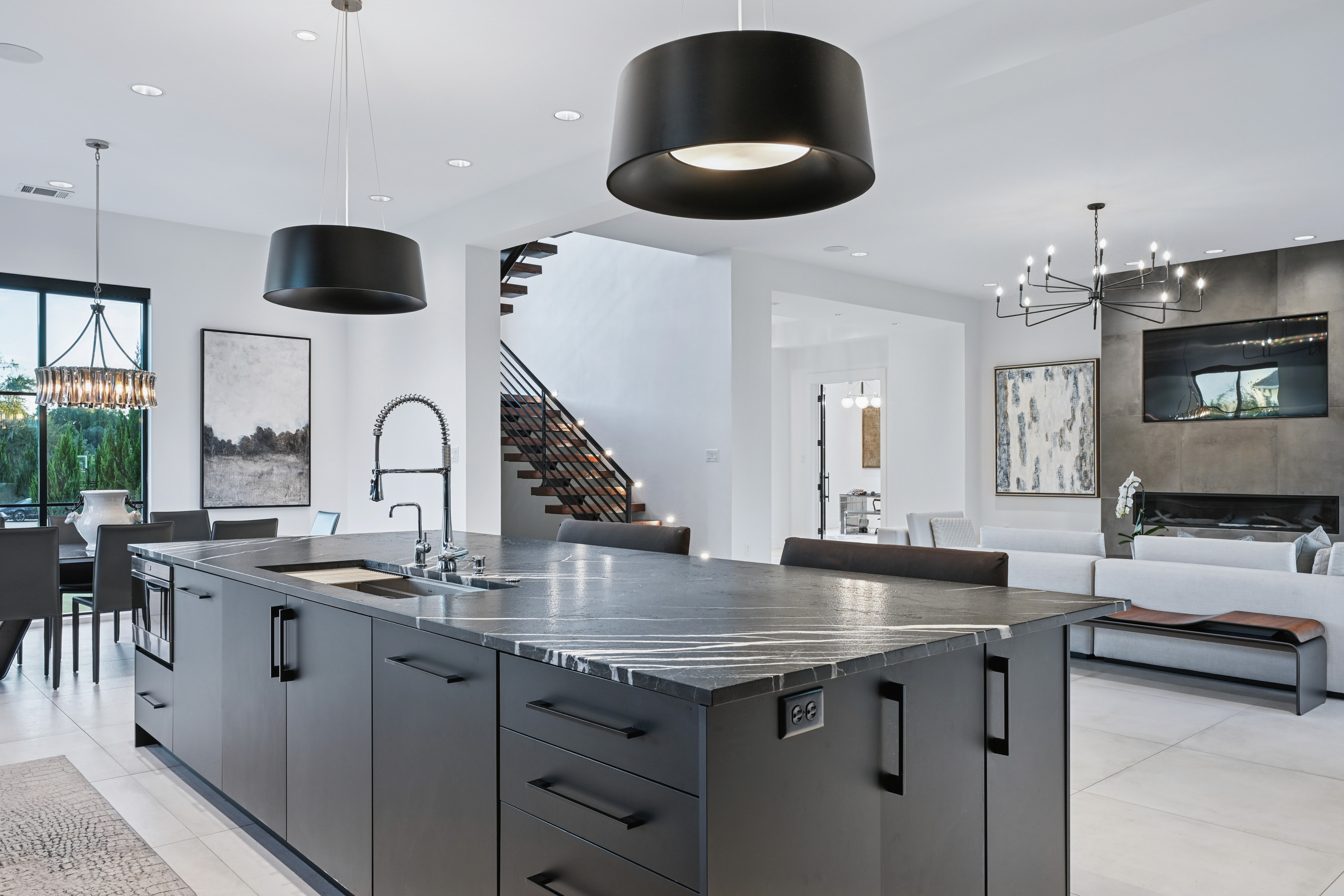
AI real estate photo editing tool adoption has moved from small tests to a daily reality for many property marketers, photographers, and agents. You may already feel the pressure to move faster, maintain consistent quality across channels, and manage growing content demands with the same or a smaller team. These tools now touch how quickly listings go live, how they look on portals and social, and how brands present themselves at scale, but they also introduce new limits and risks. In this article, we break down those shifts and where human expertise still matters.
What are AI Real Estate Photo Editing Tools?
Definition
AI real estate photo editing tools are purpose‑built applications that automate large parts of the editing process for property imagery, with a focus on speed, scale, and consistency.
These tools use machine learning models trained on real estate photos to analyse each image, detect common issues, and apply targeted adjustments automatically, often to entire batches at once.
Photographers using AI HDR and batch processing tools report around 60–80% reductions in editing time, and a 2024 Skylum survey found 78% of professional photographers use AI‑powered editing to cut post‑processing time by at least 40%.
Typical capabilities
Auto‑enhancing exposure, contrast, saturation, and clarity so interiors and exteriors look balanced.
Automatically correcting white balance and color casts to keep walls, ceilings, and floors neutral.
Detecting and straightening horizons and verticals, applying lens corrections, and suggesting crops.
Identifying and removing small distractions such as sensor dust, minor cables, and small floor items.
Swapping dull skies for clearer ones and enhancing window views while respecting edges.
Read more: AI Photo and Video Editing for Real Estate Listings: Features, Tools, and Trends
How they differ from generic photo editors
Trained on property imagery: Models are optimized for real estate scenes, learning what “good” listing photos should look like.
Batch‑oriented workflows: They are built to handle large sets from a single shoot or portfolio, not just one‑off images.
Real‑estate‑specific presets and profiles: Tools often include presets tuned for interiors, exteriors, and twilight, plus options that align with common portal and MLS standards.
How AI Editing Is Transforming Property Marketing in 2026
In 2026, AI real estate photo editing tools are shaping how quickly campaigns launch, how listings appear across channels, and how brands manage visual standards at scale.
Faster Listing Launches
By automating baseline corrections, AI allows teams to move from shoot to listing much faster. Same‑day or near‑instant photo readiness becomes realistic for many agents, iBuyers, and property managers, which reduces the gap between capturing a property and going live on key portals.
Higher Baseline Quality Across the Market
AI raises the minimum standard even for smaller teams. Solo agents, small brokerages, and independent landlords can now present bright, corrected, and straightened images without advanced editing skills. This improves buyer experience and helps more properties meet the visual expectations set by larger brands.
Easier Multi‑Channel Marketing
Many tools now support AI‑assisted cropping and resizing for different platforms. A single source image can be adapted for portals, social feeds, and ad formats with minimal manual work, so teams can maintain consistent visuals while meeting each channel’s technical requirements.
Data‑Driven Visual Optimization
Some platforms allow marketers to test variations in skies, crops, or brightness levels and observe which versions drive more clicks or inquiries. Over time, this data helps teams refine guidelines for hero images, thumbnails, and social creatives based on real performance, not just preference.
Support for Rich Media Ecosystems
Clean, well‑balanced stills feed directly into virtual tours, 3D renders, and social video templates. When AI handles first‑pass corrections, the assets used for tours, reels, and short‑form video are more consistent, which improves the overall quality of the property’s digital presence.
Brand Consistency at Scale
Larger brokerages and franchises use AI-style profiles to apply similar looks across offices and regions. Shared presets and automated corrections make it easier to keep exposure, color, and contrast aligned, even when working with multiple photographers and editors, supporting a stable visual identity in every market.
Read more: Why AI Real Estate Photo Editing Services Are the Future of Property Listings
The Limits of Using AI Real Estate Photo Editing Tools in Marketing
AI tools are helpful, but they do not replace every part of a real estate visual workflow, especially when accuracy, brand, and scale matter.
Complex retouching and ethics
Heavy object removal, visual “renovations,” or major changes to finishes often go beyond what AI can handle reliably. Automated tools may remove or alter elements in ways that misrepresent the property or conflict with local guidelines. These decisions need human judgment, clear standards, and documented approval to stay within ethical and compliance boundaries.
Luxury and brand‑sensitive work
High‑end listings, developer projects, and brand campaigns usually demand precise control over color, texture, and mood. AI can produce a solid baseline, but it struggles with subtle tonal adjustments, fine detail in materials, and region‑specific expectations. Brand‑sensitive work benefits from editors who understand the intended look and can adapt decisions from project to project.
Data security concerns
Many AI platforms are cloud‑based, which raises questions about where images are stored, who has access, and how long data is retained. For larger organizations, this affects internal policies, client agreements, and risk management. Working with a structured partner makes it easier to align editing workflows with security and compliance requirements.
Workflow fragmentation
Using several standalone tools can create extra steps: exporting and re‑importing files, renaming assets, and running manual checks at each stage. Without an overarching process or partner, teams may save time on individual edits but lose it in coordination, version control, and communication across systems.
Limited integrations and scale
Some AI tools do not connect easily with custom portals, CRMs, or ordering systems, which limits their use for enterprises and franchises. Without robust APIs and operational support, handling large orders or multi‑market campaigns becomes difficult. In these cases, businesses often need a hybrid setup that combines AI capabilities with a managed production pipeline.
When Is It Time to Outsource Your Real Estate Photo Editing?
At some point, internal tools and ad‑hoc AI solutions stop being enough. Clear signals that it is time to outsource include:
Volume is growing faster than your capacity
Shoots stack up, delivery windows tighten, and in‑house teams spend most of their time on repetitive editing instead of client work, sales, or production planning.
Quality becomes inconsistent across listings or regions
Different photographers, tools, and workflows lead to visible variation in color, contrast, and style, which weakens your brand and makes campaigns harder to manage.
Turnaround time is putting listings or campaigns at risk
You regularly push deadlines, rush edits, or delay launches because editing takes longer than planned, especially during peak seasons.
You need stronger data security and compliance
Clients start asking where images are stored, how access is controlled, and whether your processes meet their internal requirements. A structured partner can provide documented standards and audited workflows.
You want AI benefits without managing multiple tools
Testing and maintaining several AI platforms, plugins, and storage locations adds operational overhead. Outsourcing centralizes editing, integrates AI where it empowers, and gives you one point of contact for quality and delivery.
When these signs appear, partnering with a specialist like Esoft lets you keep creative control and brand ownership while offloading production, scaling with demand, and building a more predictable visual pipeline.
Read more: Best Photo Editing For Real Estate: Workflow And AI Integration That Scales
Where Esoft Fits: Blending AI Efficiency with Human Expertise
With more than 20 years focused on real estate visuals, Esoft works with leading property brands, brokerages, and photographers to combine AI speed with dedicated human teams. Our workflows integrate automation for baseline tasks while experienced editors remain responsible for quality, brand alignment, and on‑time delivery, supported by clear SLAs and structured communication.
We use AI where it adds value - batch corrections, exposure balancing, detection of common issues, and layer human review, retouching, and styling on top. Dedicated teams follow your style guides, monitor output, and manage large volumes within agreed turnaround times.
Esoft also offers API connections and platform integrations, allowing you to plug our services into custom portals, ordering systems, and production tools. This reduces manual steps, keeps assets in sync, and supports high‑volume, multi‑market operations without fragmenting your workflow.
Our key services include:
Photo editing Enhancement: Balanced exposure, contrast, color, and perspective for interiors and exteriors, aligned with portal requirements and your brand standards.
Photo Retouching: Manual object removal, clutter reduction, and detailed corrections are handled by trained editors who understand ethical limits and client expectations.
Virtual Dusk: Conversion of daytime exteriors into evening scenes with controlled lighting, realistic skies, and consistent atmosphere across sets.
Social Media Photo: Edits and exports tailored to major social platforms, helping your campaigns stay visually consistent while meeting each channel’s format and size needs.
Takeaways
AI real estate photo editing tool adoption is reshaping how property images are produced, shared, and managed across channels. These tools support faster launches, higher baseline quality, and stronger brand consistency, especially when tied into clear workflows. At the same time, complex retouching, luxury marketing, data security, and large‑scale operations still require human judgment and a structured production partner. A hybrid model that blends AI efficiency with professional editing is often the most reliable path forward. If you want to explore a managed, AI‑enabled workflow for your property visuals, get in touch with our team!
Related Blogs

What Is AI Real Estate Photo Editing Software? Features, Benefits, and Use Cases
AI Photo Editing
How AI Real Estate Photo Editing Tools Are Transforming Property Marketing
AI Photo Editing

Why AI Real Estate Photo Editing Services Are the Future of Property Listings
AI Photo Editing
AI Photo and Video Editing for Real Estate Listings: Features, Tools, and Trends
AI Photo Editing

What are real estate panorama photo editing services? How can they benefit your business?
Photo Editing

Common mistakes and how to fix interior real estate photo editing?
Photo Editing





Linh Phan
Content Strategy Executive
No Spam, Just Updates
Our fresh blogs provide technical and industrial information that helps strengthen your business. Sign up to be the first to receive the new updates