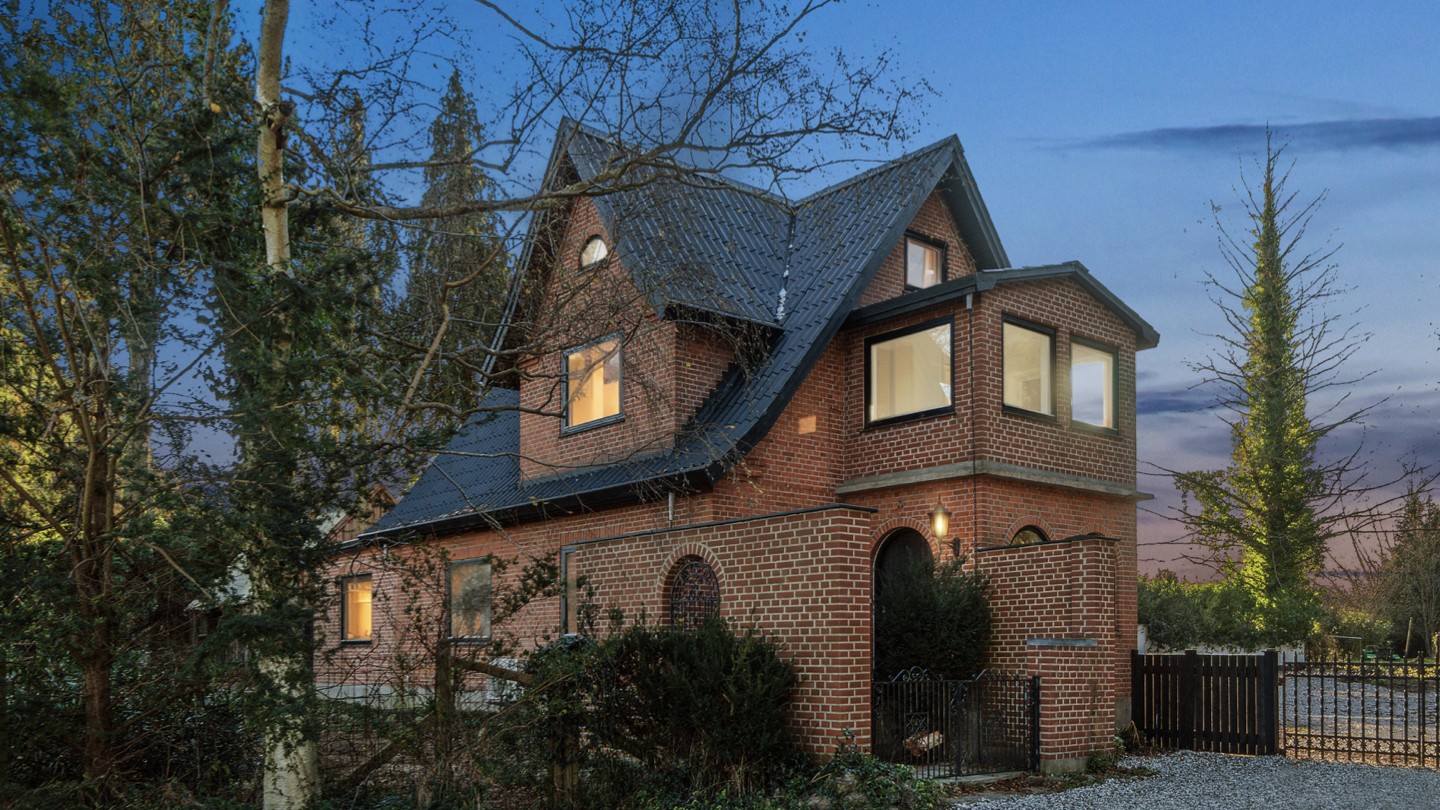
You might already be using real estate photo editing AI in your daily workflow, letting it clean skies, brighten rooms, and remove distractions in seconds. But somewhere between speed and scale, small issues start to show up: rooms that look too polished, skies that do not match the weather, walls that feel slightly off, or virtual furniture that does not belong. These details affect trust, brand perception, and even buyer expectations. In this article, we break down five common mistakes and how to fix them before they reach your clients.
What is Real Estate Photo Editing AI?
Real estate photo editing AI is software that uses machine learning to handle common editing tasks on property photos with minimal manual input. Instead of adjusting every frame by hand, you can send a batch of images through an AI engine that handles exposure, color balance, and contrast in a few minutes.
Modern tools can also merge HDR brackets, replace dull skies, correct perspective, and remove simple objects, all based on patterns learned from large image sets. The goal is a faster, more consistent base edit that frees your team to focus on quality control and fine‑tuning.
The Benefits of Editing Photos with AI
When used in a structured way, real estate photo editing with AI supports quality, consistency, and growth across your whole media operation.
1. Faster Turnaround Times
AI can handle exposure, color balance, and base corrections on large batches of images in minutes. This shortens delivery times for agents and sellers, helps you react quickly to new listings, and reduces bottlenecks during peak seasons.
2. Consistent Look Across Shoots and Photographers
Automated adjustments follow the same logic every time, which smooths out differences between photographers, lighting conditions, and cameras. With the right presets and guardrails, your images start from a more unified baseline before any manual fine‑tuning.
3. Higher Volume Without Linear Headcount Growth
As your listing count rises, AI helps you scale without adding the same number of editors. Routine work - HDR merging, basic corrections, simple object removal, runs in the background so your team can focus on edge cases and quality checks.
4. More Time for Creative and High‑Value Work
When AI takes care of repetitive edits, human editors and photographers can spend more time on tasks that need judgment: precise perspective fixes, brand‑specific color grading, complex retouching, and client communication.
5. Support for New Services and Add‑Ons
Reliable AI workflows make it easier to offer add‑ons like faster delivery tiers, standardized sky replacements, simple virtual staging, and bulk refreshes for large portfolios. This can open new revenue lines without overloading your team.
Used carefully, real estate photo editing AI becomes a foundation for a hybrid model: the AI handles volume and repetition, while people ensure accuracy, brand alignment, and a natural, trustworthy final image.
Read more: How Real Estate Photo Editing Companies Can Boost Your Revenue
5 Mistakes You're Making With Your Real Estate Photo Editing AI
1. Over-Editing for an Artificial Look
The Mistake
Letting AI push every slider too far - over‑sharpened details, extreme clarity, heavy contrast, and colors that pop more than they should. Interiors start to look glossy and flat, with skin tones, wood, and greenery all drifting away from reality.
The Result
Buyers notice the gap between the photos and the actual viewing. Rooms feel smaller or darker in person, and trust in both the listing and the agent erodes. Your brand begins to look “over‑processed” instead of professional and reliable.
2. Using Unrealistic or Misaligned Sky Replacements
The Mistake
Dropping dramatic, saturated skies into every exterior: sunsets that do not match the time of day, clouds that ignore the real weather, or light directions that clash with shadows on the building. Edges around trees, roofs, and antennas are often rushed.
The Result
The image feels manipulated instead of enhanced. Viewers may not name the issue, but they sense something is off. That perception can carry over to how they view the listing description, pricing, and the agent’s overall transparency.
3. Ignoring Distorted Angles and "Warped Walls"
The Mistake
Relying on AI for exposure and color, but skipping perspective checks. Wide‑angle lenses and automatic corrections leave leaning walls, tilted door frames, bowed ceilings, or stretched furniture that subtly distort the room.
The Result
Spaces feel uncomfortable or confusing, even if the lighting looks good. Buyers cannot judge size and proportion accurately, and architects, developers, or detail‑oriented clients question the accuracy of the visuals.
4. Poorly Executed Object Removal (Patchy Retouching)
The Mistake
Using AI or quick cloning to erase bins, cars, cables, or personal items without checking textures, patterns, and shadows. This can create visible smudges, repeating tiles or grass, missing reflections, or “too clean” surfaces where something should exist.
The Result
The scene looks edited rather than naturally tidy. In more serious cases - removing permanent fixtures like fences or units, the image can feel misleading. This invites complaints, extra revisions, and possible issues with compliance or platform guidelines.
5. Overusing or Mis-scaling Virtual Staging
The Mistake
Dropping virtual furniture into every room without paying attention to scale, style, or lighting. Sofas float above the floor, tables are too small for the space, and shadows do not align with windows or existing light sources.
The Result
Instead of helping buyers imagine the room, the staging distracts them. The space becomes harder to read, and trust drops when they realize the furnishings do not match reality. Over time, this weakens both the listing’s impact and your brand positioning.
Read more: Mastering Real Estate HDR Photo Editing
Outsourcing - A Comprehensive Approach for Real Estate Photo Editing AI
Real estate photo editing AI works best inside a managed, end‑to‑end workflow, not as a standalone tool. Outsourcing to a specialist team lets you combine AI speed with human quality control at every stage. The AI handles bulk tasks such as HDR merging, base color correction, and simple object cleanup. Experienced editors then step in to refine perspective, choose believable skies, correct warped lines, and ensure all edits stay true to the property and local guidelines.
A comprehensive partner can also standardize your brand look across markets, set guardrails around what AI is allowed to change, and design clear rules for sky replacement, object removal, and virtual staging. This reduces rework, protects trust with buyers and sellers, and helps you scale volume without losing the natural, accurate feel that real estate photography needs.
To make outsourcing effective, put a few clear steps in place:
1. Define Your Visual Standards
Document how your images should look: brightness, color style, contrast level, sky types you accept, what can and cannot be removed, and how far virtual staging should go. Share real examples of “on‑brand” and “off‑brand” edits.
2. Clarify What AI Handles vs. Human Editors
Decide which tasks are AI‑first (HDR merging, basic exposure and color, simple object cleanup) and which always need a human review (perspective correction, complex removals, sky choices, virtual staging). This helps your partner design the right hybrid workflow.
3. Create a Simple Briefing and Feedback Loop
Use structured order forms and checklists instead of free‑form notes. After each batch, give specific feedback - what worked, what needs to change, and let your partner update presets and rules so quality improves over time.
4. Start with a Pilot, Then Scale Volume
Begin with a smaller set of listings, test different editing levels, and review the results with your team. Once you are confident in the output, increase volume and lock in turnaround times that match your markets and seasons.
5. Monitor Quality and Alignment Regularly
Schedule periodic reviews of delivered work. Check for natural, honest results: realistic skies, straight lines, clean retouching, and believable staging. Use these reviews to refine guidelines, not to redo work in‑house.
Read more: Top Professional Real Estate Photo Editing Service For Premium Listings
Esoft – Your Partner for Scalable Real Estate Photo Editing AI
Esoft is built for real estate media companies, brokerages, and marketing teams that handle volume and want reliable growth. With more than 20 years in property marketing across the US, Europe, and Australia, the team understands long listing pipelines, seasonal spikes, and the need to keep brand standards consistent across markets.
Production runs on a hybrid AI‑plus‑human model. AI manages high‑volume tasks such as base corrections and batch processing, while experienced real estate editors handle architectural accuracy, perspective, exposure balance, and final quality checks. This setup lets you benefit from AI speed without losing the natural, trustworthy look your listings need.
Esoft’s services cover the full visual stack:
Photo editing – base corrections, detailed retouching, clutter removal, virtual dusk.
Video editing – listing videos, brand pieces, and social‑ready formats.
Floor plans – 2D and 3D production, including CloudScanner workflows.
3D visualization – virtual staging, renovation concepts, and architectural renderings.
For teams that view real estate photo editing AI as part of their core infrastructure, Esoft provides a structured, scalable production engine that integrates cleanly with existing systems and protects your brand at every step.
Conclusion
The agents and media teams who benefit most from real estate photo editing AI treat it as a managed system, not a one‑click shortcut. They watch for over‑edited rooms, unrealistic skies, warped walls, messy removals, and weak virtual staging, and they back AI with clear standards and human review. Used this way, AI supports faster turnaround, consistent quality, and scalable growth instead of risking trust. If you want a partner to help you build a reliable, hybrid AI‑plus‑human photo editing workflow, contact Esoft.
Related Blogs

Transform Your Real Estate Images with the Best Photo Editing Software
Photo Editing

Best Real Estate Photo Editing Services for the US
Photo Editing
Top 5 Real Estate Photo Editing Outsourcing for 2026
Photo Editing
Hybrid Real Estate Photo Editing Explained: The Best of AI and Manual Editing
AI Photo Editing

Real Estate Photo Enhancement Agency vs In-House Editing: Which Is Better?
Photo Editing
Manual vs AI Real Estate Photo Enhancement Services: Speed, Quality, and Cost
AI Photo Editing



Linh Phan
Content Strategy Executive
No Spam, Just Updates
Our fresh blogs provide technical and industrial information that helps strengthen your business. Sign up to be the first to receive the new updates