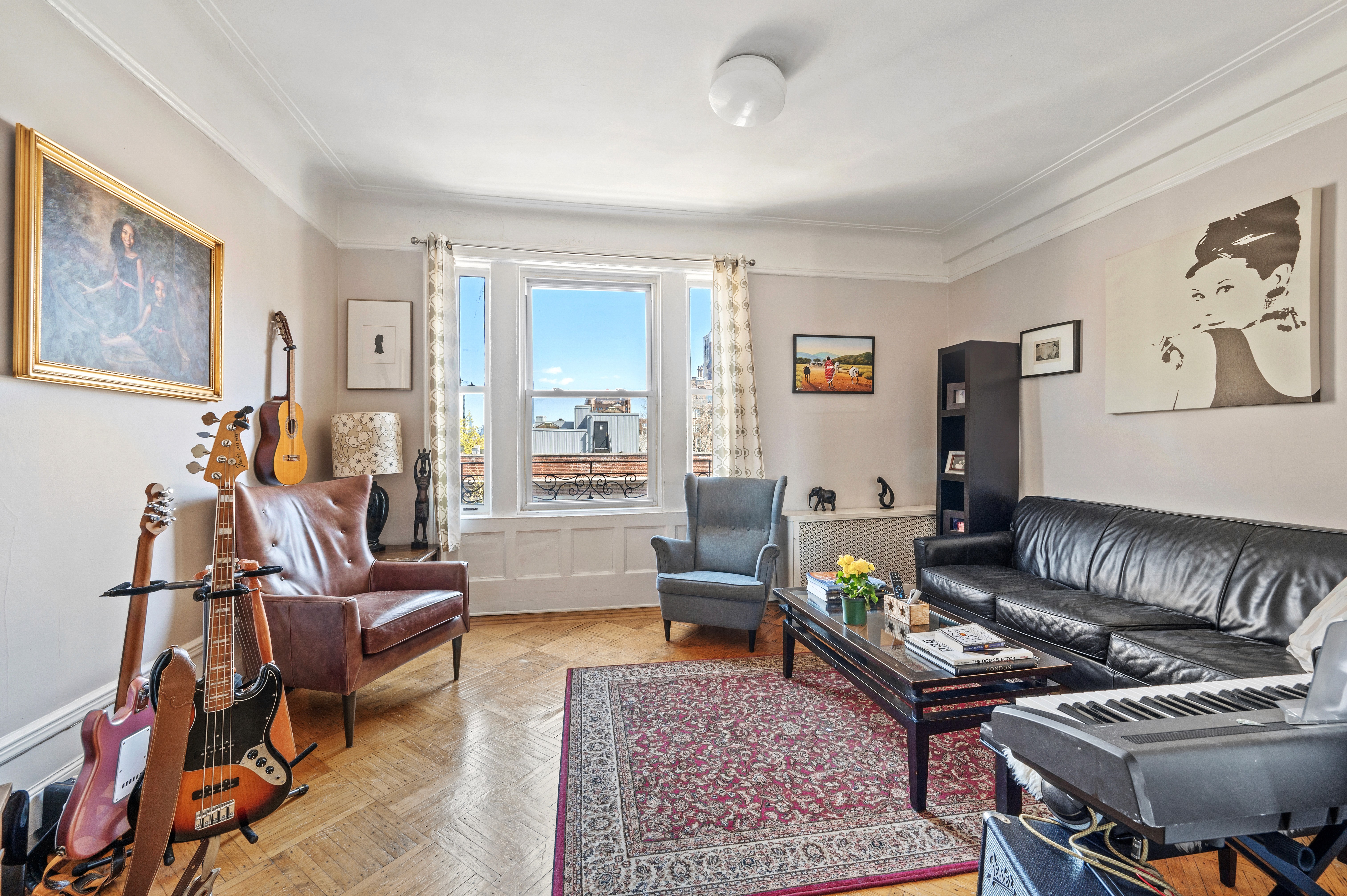
Photos shape how listings are judged long before pricing or showings come into play. Interior brightness, window detail, and exterior balance all influence how a property is read in seconds. As production volume increases, real estate HDR photo editing shifts from a creative step to a technical system that must perform under pressure. You are managing complex lighting conditions, tighter delivery windows, and stricter platform review standards simultaneously. The features inside your HDR workflow now affect speed, consistency, and approval outcomes at scale. This article looks ahead to 2026, examining how the market is shifting, which HDR features matter most, and how to structure workflows that hold up as demand grows.
How the Real Estate Photo Editing Market Is Shifting
The real estate photo editing market is responding to pressure from every side. Higher listing volume, stricter platform standards, and more visually educated buyers are changing how editing is produced and evaluated.
Volume Driven Production Over Boutique Editing
As photographers and media teams take on more listings, editing models built around individual craft start to break down. Delays appear first, then inconsistencies. The market is shifting toward production-focused systems designed for repeatable output at scale. Editing quality is now measured by how well it holds across hundreds of images, not how a single hero shot looks.
Buyer Expectations for Natural Looking HDR
Buyers scroll fast and notice mistakes quickly. Heavy-handed HDR creates flat interiors, dull whites, and artificial contrast that feels untrustworthy. Natural light balance, visible window detail, and accurate color have become baseline expectations. Listings that feel realistic perform better because they match what buyers see when they arrive in person.
Platform Led Editing Ecosystems
MLS systems and listing platforms now influence editing decisions directly. Image limits, aspect ratios, compression behavior, and rejection rules shape how files are delivered. Editing workflows increasingly start with platform compliance in mind to avoid resubmissions and lost time.
Read more: Esoft HDR 5 Level Real Estate Photo Editing
Top 5 Real Estate Photo Editing Trends for 2026
You may have seen these trends start to take shape last year. In 2026, they stop being optional and start shaping how your team competes under volume and time pressure.
Guided Editing With Human Oversight
AI now carries much of the technical workload, including exposure merging, sky handling, and base color correction. The role of human editors has narrowed and sharpened. Oversight focuses on architectural accuracy, window balance, and interior light control. This structure supports speed while keeping output grounded and consistent across large batches.
Day to Dusk as a Standard Listing Asset
Twilight imagery continues to draw attention in crowded feeds. What stands out in 2026 is how routine it has become. Day to dusk conversions remove reliance on timing and weather while producing controlled exterior light and interior warmth. Many teams now treat these images as part of the standard delivery set.
Decluttering and Virtual Renovation at Scale
Visual clutter remains a barrier to buyer engagement, especially in occupied homes. Digital decluttering addresses that first layer. Virtual renovation expands the value by presenting updated finishes and layouts that align with current buyer expectations. At volume, these edits require defined design standards to avoid inconsistency.
3D Floor Plans and Virtual Walkthroughs
Photos answer surface-level questions. Floor plans and walkthroughs address layout and flow. As remote searching becomes routine, these assets help buyers assess fit earlier in the process. Listings that include them tend to hold attention longer and filter intent more effectively.
HDR and Flambient Blending Discipline
HDR and flambient techniques remain central, but execution has tightened. Overprocessed interiors are quickly dismissed. Editors now prioritize controlled highlights, visible exterior detail, and consistent color across rooms. Discipline in blending supports credibility and keeps full image sets cohesive across platforms.
Read more: Does HDR Make a Difference: Debunk HDR Misconceptions
Core Real Estate HDR Photo Editing Features to Prioritize in 2026
This is where HDR performance is won or lost. In 2026, features are judged less by novelty and more by how reliably they hold up under volume, platform rules, and buyer scrutiny.
AI-Powered Automated Merging & Editing
Automated merging has become the baseline for HDR efficiency. AI manages exposure alignment, ghosting control, and tonal balance at speed, giving teams a stable foundation before manual review. What matters is not automation alone, but how consistently those base merges perform across large batches.
Key impact areas:
• Faster first pass output under peak load
• Fewer merge artifacts across full image sets
• Predictable tonal structure for downstream editing
Intelligent Window Pull and Exterior Balance
Windows expose weak HDR faster than any other element. Intelligent window handling preserves exterior detail without darkening interiors or flattening contrast. In 2026, a clean window balance is an expectation tied directly to buyer trust and platform approval.
Focus areas:
• Readable exterior views
• Natural interior light levels
• Consistent treatment across rooms
Sky Replacement With Scene Awareness
Sky replacement remains common, but execution has tightened. Scene awareness means matching sky tone, direction, and intensity to the original lighting conditions. Poor matches feel disconnected and damage credibility. Advanced HDR workflows treat sky work as a controlled correction, not a stylistic layer.
Perspective and Vertical Line Correction
Leaning walls and warped frames undermine architectural intent. Perspective correction is now part of standard HDR delivery, especially for interiors. Consistent verticals across an entire set reinforce spatial accuracy and keep listings visually grounded.
Consistency Driven Editing Profiles
As your teams grow, individual style becomes a liability. Editing profiles set defined limits for exposure, contrast, color temperature, and vertical correction. These profiles protect brand identity and keep results aligned across editors, locations, and seasons.
Benefits at scale:
• Stable visual standards
• Fewer revision cycles
• Clear quality benchmarks
Batch Processing for High Volume Delivery
Batch processing determines whether HDR workflows survive peak season. Group handling of merges, color passes, and corrections keeps timelines predictable. Without it, volume introduces drift and delay. High-volume teams treat batch capability as production infrastructure.
Advanced Noise Control and Detail Management
HDR workflows expose noise quickly, particularly in shadow-heavy interiors. Advanced noise control preserves material texture while keeping images clean. Buyers notice when finishes lose detail or surfaces appear soft. Clean noise handling protects image credibility across full galleries.
Read more: The Best HDR Camera Setting for Real Estate Bracketing Photos
Building an Efficient Real Estate HDR Photo Editing Workflow
Workflow design decides how HDR production holds up when pressure builds. As listings stack and timelines tighten, structure matters more than individual tools. If you want consistent output during peak cycles, the workflow has to support your team before problems appear.
Capture Standards That Support HDR Precision
Capture discipline sets the ceiling for editing quality. Inconsistent brackets, shifting white balance, and uneven exposure spacing introduce variables that multiply across large batches. Clear capture standards give editing teams predictable source files and keep production stable during busy cycles.
Look for alignment on:
• Defined bracketing patterns
• Stable white balance practices
• Exposure spacing that supports clean merges
Centralized Editing Pipelines
Fragmented workflows create variation and slowdowns as volume rises. Files move differently depending on who handles them, and visibility drops quickly. Centralized pipelines bring structure to intake, editing stages, and revisions, keeping large orders moving in a controlled sequence.
Key indicators:
• A single intake and delivery system
• Standardized editing stages
• Clear ownership at each step
Quality Control at Scale
Quality control evolves as order volume grows. Effective workflows evaluate consistency across full image sets rather than isolated files. This approach surfaces exposure drift, color shifts, and window handling issues early, before they reach clients or platforms.
Pay attention to
• Set level review processes
• Defined quality thresholds
• Feedback loops tied directly to production teams
Workflow Integration With Delivery Platforms
Editing only has value once assets are accepted and published. Platform rules around file size, aspect ratio, naming, and compression shape delivery outcomes. Integrated workflows account for these requirements at the start, keeping listings on schedule and avoiding rework.
Check for:
Platform-specific export standards
Automated file naming and sizing
Delivery timing aligned with listing schedules
Why Esoft Sets the Benchmark for Real Estate HDR Photo Editing
Esoft is built for media businesses that treat post-production as infrastructure. When volume increases and deadlines tighten, HDR editing has to perform as a system, not a series of individual tasks. Our model is designed for real estate teams that need dependable output across markets, seasons, and property types without losing control of brand standards.
Our real estate HDR photo editing service is anchored in a hybrid AI and human production system. Automation manages speed, exposure merging, and volume flow. Experienced editors focus on architectural accuracy, natural light balance, and clean verticals.
We also support a broader real estate media ecosystem, giving teams room to consolidate production without fragmenting quality. Services include high-volume photo editing, video editing, floor plans in 2D and 3D formats, and 3D visualization for staging and renovation concepts.
Wrap Up
In 2026, real estate hdr photo editing is defined by control under pressure. Volume driven production, natural looking results, and platform ready delivery now shape how listings perform. The features that matter most support consistency, speed, and realism at scale, backed by workflows built to handle peak demand without disruption. Teams that treat HDR as infrastructure rather than a creative afterthought gain stability as expectations rise. If you are evaluating how your HDR production holds up as volume grows, contact Esoft to discuss a model designed for dependable output at scale.
Related Blogs




Linh Phan
Content Strategy Executive
No Spam, Just Updates
Our fresh blogs provide technical and industrial information that helps strengthen your business. Sign up to be the first to receive the new updates