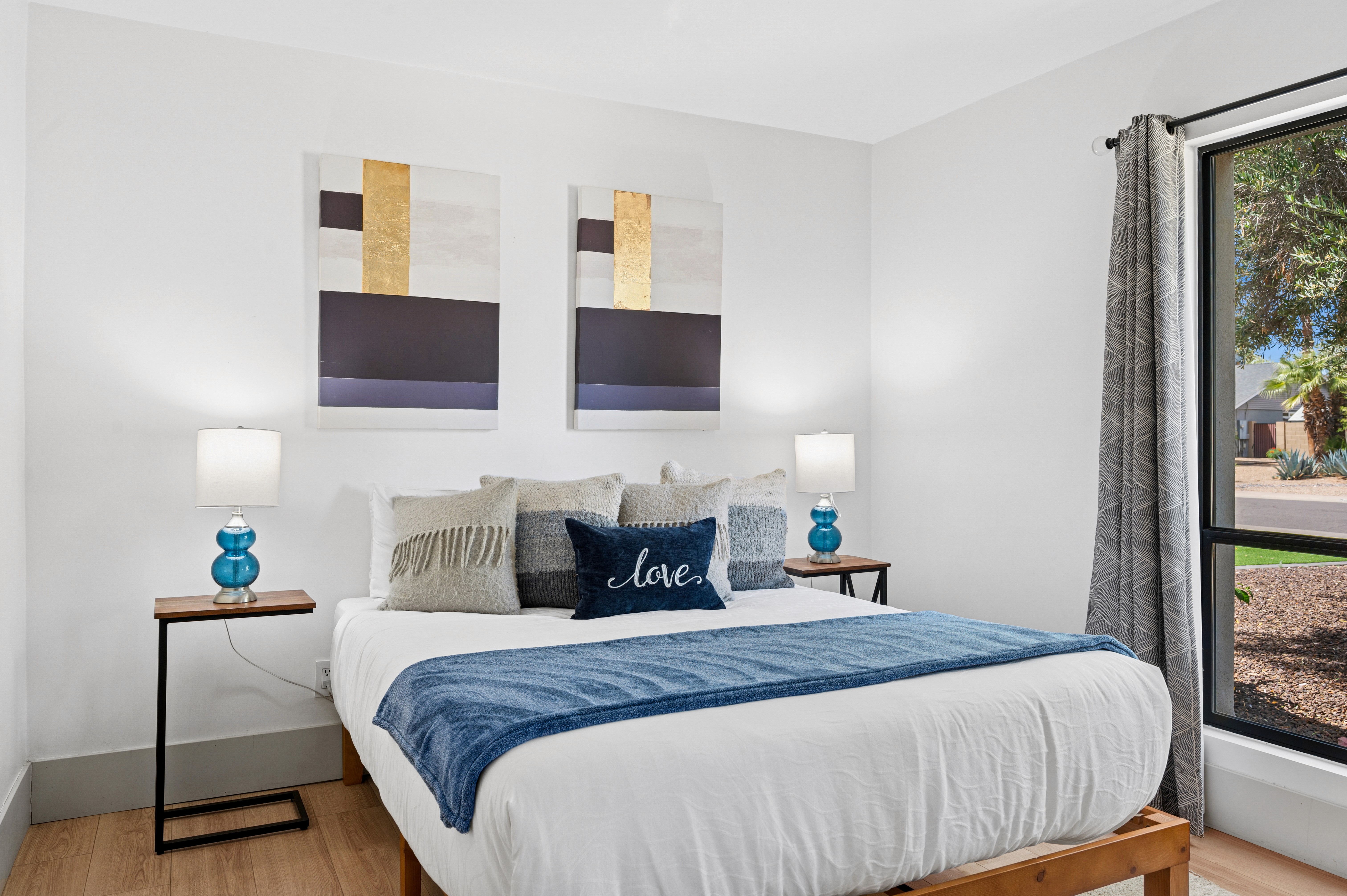
Real estate clients now expect visuals that stand out across listings, social channels, and brand campaigns, and they look to their image editing agency to deliver. As volumes rise and briefs become more demanding, agencies need a clear approach to perspective, color, detail cleanup, and advanced techniques like HDR and sky replacement. This article shares five practical tips to help your team create stronger real estate visuals and stay consistent at scale, then looks at how to handle growing demand without overloading your in‑house editors.
The Increasing Demand for Stunning Real Estate Photography
Real estate visuals have become a key driver of lead generation and listing performance. Recent industry data shows that:
72.2% of Realtors say high‑quality photography helps them win more listings.
83% of buyers rate photos as very important when deciding which homes to visit (Charles Barnes).
Listings with HDR photos have been reported to sell up to 50% faster and gain around 118% more online views (Imoto).
At the same time, buyers are browsing across portals, social media, and branded websites, comparing dozens of properties in minutes. That makes first impressions critical and raises the bar for clarity, brightness, and emotional impact in every frame.
For any image editing agency working in real estate, this shift translates into:
Higher volume as more agents invest in professional photography for every listing.
Tighter expectations around consistency, speed, and advanced techniques (HDR, sky replacement, object removal).
Less tolerance for average or inconsistent imagery that weakens a brand or reduces click‑through.
Strong, reliable editing now directly supports marketing outcomes - more views, more inquiries, and more signed listing agreements
Common Issues with Real Estate Photos That Hold Listings Back
Even with skilled photographers, real estate images often arrive in your queue with recurring problems that reduce impact and performance:
Crooked lines and distortion
Leaning walls, tilted door frames, or stretched furniture from wide‑angle lenses.
Uneven horizons on exteriors that make the property feel unstable.
Flat or unbalanced lighting
Dark corners and blown‑out windows in the same frame.
Dull, grey interiors from overcast shoot days or mixed light sources.
Weak color and mood
Color casts from tungsten or fluorescent lighting.
Whites that look too blue or too yellow, and materials that do not match reality.
Distracting skies and surroundings
Dull, washed‑out skies that make exteriors feel lifeless.
Background elements (parked cars, signage, cluttered yards) pulling attention away from the property.
Clutter and visual noise
Personal items, cables, bins, and toys competing with architecture and finishes.
Reflections in glass and mirrors showing equipment or people.
Limited dynamic range
Loss of detail in bright highlights and deep shadows when no HDR approach is used.
These are exactly the issues a professional image editing agency can solve through perspective correction, careful control of color and brightness, sky replacement, object removal, and well‑executed HDR merging - the five core techniques covered in the next section.
Read more: AI HDR Real Estate Photo Editing vs. Manual: Why It Works and How AI Is Taking Over
5 Tips for Image Editing Agency to Create Stunning Visuals
Below are five essential techniques every image editing agency should apply to turn raw real estate captures into clean, consistent, and market‑ready visuals.
1. Perspective correction
An accurate perspective is essential for professional real estate imagery. Photographers often work quickly and at wide focal lengths, so even careful captures can end up with leaning walls, tilted door frames, or distorted cabinetry.
In editing, your team should:
Align verticals so walls, doors, and window frames are perfectly straight.
Correct lens distortion that stretches objects at the edges of the frame.
Use room corners and key architectural lines as reference points.
Clean geometry makes spaces feel larger, calmer, and more expensive. It also helps viewers understand layout and proportions at a glance.
2. Colour and brightness
Color and brightness are powerful levers for how buyers respond to a property image. Viewers tend to spend longer on photos that feel bright, balanced, and inviting.
For each file, editors should:
Ensure even, sufficient brightness, avoiding both dull shadows and blown highlights.
Adjust white balance so whites are neutral and skin‑tone areas feel natural.
Refine saturation and vibrance so colors look rich without becoming artificial.
Add a touch of warmth in living spaces and bedrooms to support a relaxed, welcoming mood.
Thoughtful control of these elements can influence emotional response and help listings attract more clicks and in‑person visits.
3. Replacing the sky
Outdoor conditions are rarely ideal on shoot day, especially in locations with frequent cloud cover or haze. A flat, grey sky can make even a strong property look uninviting.
Sky replacement, when done carefully, can:
Introduce a clear blue or lightly clouded sky that feels natural for the location and time of day.
Lift the overall brightness and color balance of exterior shots.
Help the property stand out more in crowded listing feeds.
Key guidelines for editors:
Match the light direction and intensity between the new sky and the building.
Ensure edges around roofs, trees, and chimneys are clean and believable.
Avoid overly dramatic skies that distract from the house itself.
4. Object removal
Even with good planning, many shoots happen in lived‑in homes or active developments. That means distractions: bins, cables, toys, personal items, branding conflicts, and temporary construction elements.
A skilled image editing agency should be able to:
Remove small clutter (cords, remotes, toiletries, signage) to clean up surfaces.
Tidy exterior spaces by removing toys, garden tools, or parked vehicles when appropriate.
Fix awkward reflections in mirrors, glass doors, or glossy furniture.
The objective is not to misrepresent the property, but to present it in its best, well‑maintained state so buyers focus on space, finishes, and light rather than random objects.
5. HDR merge
Real estate interiors often contain a wide range of brightness levels: bright windows, darker corners, and mixed light sources. Without careful handling, this can lead to blown highlights, blocked shadows, or muddy midtones.
HDR (High Dynamic Range) merging helps by:
Combining multiple exposures into a single file with balanced shadows and highlights.
Preserving detail in window views while keeping interiors bright and readable.
Enhancing color richness without pushing saturation too far.
For premium results, HDR needs to be:
Merged cleanly, avoiding halos around objects and noisy shadows.
Finished with manual adjustments to maintain a natural, editorial look rather than an over‑processed one.
When used well, HDR merge supports both realism and impact, helping listings perform better in search results and on social channels.
Read more: Top 5 real estate video editing services that can boost listings
Need to Edit Your Photos Professionally on a Wide Scale?
As an image editing agency grows, the focus shifts from polishing individual images to running a reliable, large‑scale production workflow. That brings a specific set of challenges:
Maintaining consistent style across multiple editors, time zones, and different client brands.
Keeping turnaround fast during peak listing seasons, when order volumes spike.
Handling complex tasks - HDR blending, precise sky replacement, fine object removal - reliably on every set.
When these pressures build, partnering with a specialized real estate post‑production provider can help stabilize quality and capacity. The right partner should offer more than basic editing; they should extend your team.
Look for a provider with:
A clear real estate focus and a strong portfolio of interior and exterior work.
Proven years of experience supporting brokerages, developers, and media companies.
Documented style guides, QA processes, and SLAs for turnaround and revisions.
Optimized workflows for high‑volume orders, including batching and priority handling.
The ability to customize output for high‑end brands, large portfolios, and different property tiers.
Capacity for API or portal‑based integration so they fit into your existing systems.
Local market knowledge of lighting, buyer expectations, and architectural styles in your key regions.
Transparent pricing, test projects, and clear communication channels so you can scale with confidence.
How Esoft Supports Image Editing Agencies at Scale
Esoft works with image editing agencies, real estate media companies, and enterprise brokerages that need reliable, high‑volume production without losing quality. With more than 20 years of experience in global markets, we focus specifically on real estate visuals, supporting both everyday listings and premium projects.
Our hybrid AI‑plus‑human model is designed for scalability:
Automation handles intake, base corrections, and HDR workflows.
Senior editors manage perspective, color grading, sky replacement, object removal, and high‑end retouching.
Esoft’s photo editing services cover:
Photo Enhancement
Photo Retouching
Virtual Dusk
Social Media Photo
For agencies that want to grow capacity while keeping a consistent, professional real estate look, Esoft acts as a long‑term production partner rather than a one‑off vendor.
Read more: 5 Real estate photo editing company worth considering in 2026
Wrap Up
An effective image editing agency helps real estate clients turn everyday captures into consistent, high‑impact visuals. That means fixing recurring issues - distortion, poor lighting, weak color, flat skies, clutter, and limited dynamic range, using disciplined perspective correction, tuned color and brightness, natural sky replacement, thoughtful object removal, and controlled HDR merging. At scale, the real differentiator is a stable workflow: clear standards, reliable turnaround, and quality that holds up across seasons and markets. If you’re looking for a specialized real estate post‑production partner to support that level of output and growth, contact our team!
Related Blogs
Transform Property Visuals Into Revenue Drivers With HDR Image Blend Service
Photo Editing
5 Best photo editing software for real estate photography in Australia
Photo Editing
Which Styles Are Most Popular Among Virtual Staging Company In The Us?
3D Visualization
Top 5 Photo Editing Agency In Australia For Premium Listings
Photo Editing



Linh Phan
Content Strategy Executive
No Spam, Just Updates
Our fresh blogs provide technical and industrial information that helps strengthen your business. Sign up to be the first to receive the new updates