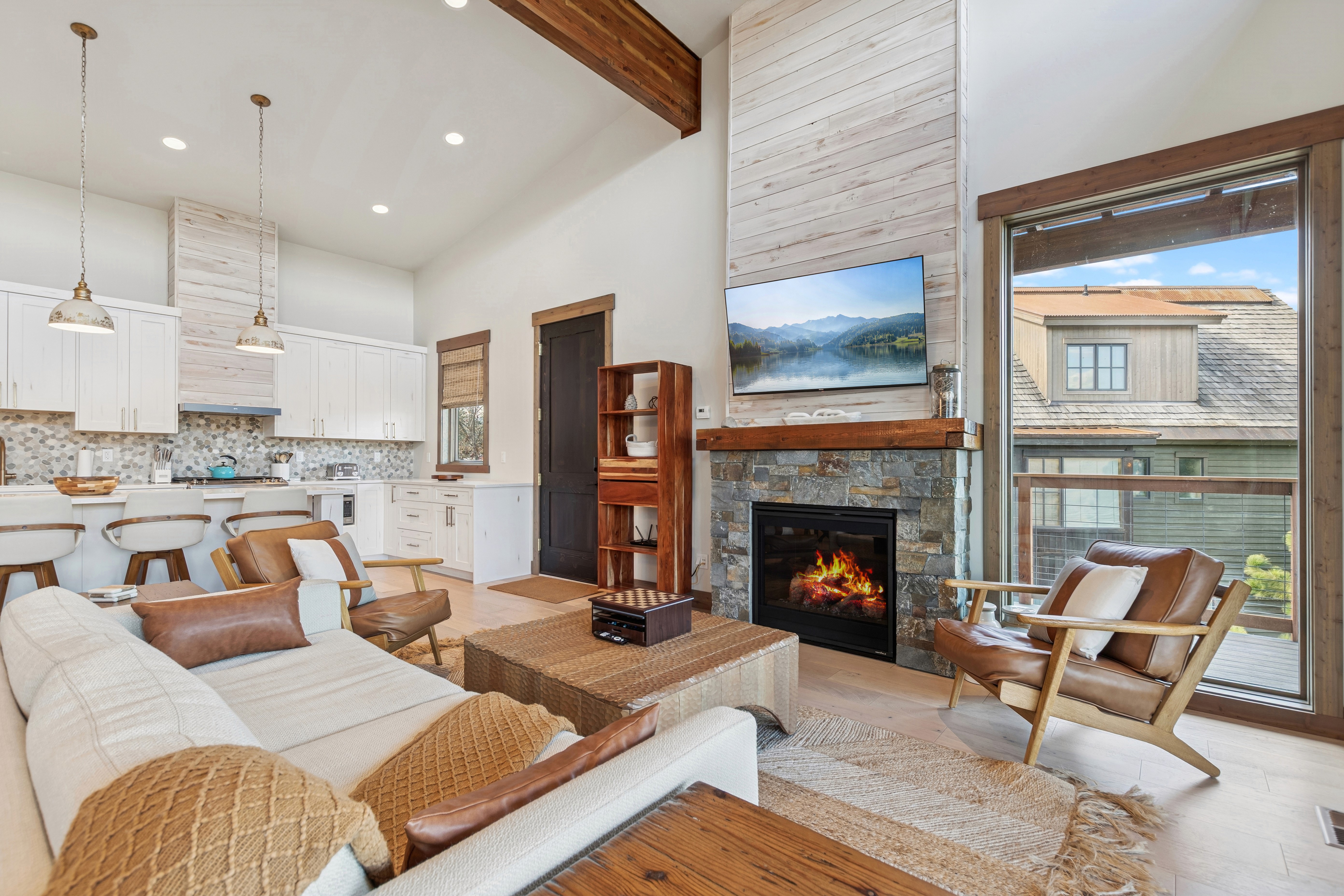
You have probably tried both ends of the spectrum: carefully blending HDR brackets by hand and running them through an AI engine that finishes the set in minutes. AI HDR real estate photo editing promises faster turnaround and more consistent results, but it also raises questions about realism, compliance, and where editing stops and faking begins. The real opportunity sits in understanding what AI does well, where manual control still matters, and how a hybrid or outsourced approach can support growth. In this article, we break down those trade‑offs and where AI is taking over.
Manual HDR vs. AI HDR: What’s the Real Difference?
Manual HDR
Manual HDR is a hands‑on process where an editor blends multiple exposures of the same scene (HDR brackets) using tools like Lightroom and Photoshop. They decide how much detail to reveal in shadows and highlights, adjust contrast and color by hand, and correct issues like halos or noise frame by frame.
Strength
Manual HDR gives editors full control over how each frame is blended. An experienced retoucher can decide how much detail to reveal in windows, where to keep shadows, and how to handle mixed lighting. They can protect natural color, avoid halos, and adapt the look to a specific brand style or property type. For hero images and complex lighting situations, this level of control can make a visible difference.
Limit
The trade‑off is time and scalability. Manual HDR is slow, especially with large sets of brackets across many listings. Results can also vary between editors and offices, leading to inconsistent looks. When volumes spike, quality often slips or deadlines move, because every decision depends on individual human effort.
AI HDR
AI HDR real estate photo editing feeds those same bracketed exposures into an AI engine that analyzes the set and automatically blends them. The system uses learned patterns to balance interior and exterior detail, manage noise, and apply base color and tone adjustments in a single, fast pass.
Strength
AI HDR takes bracketed exposures and blends them in minutes with consistent logic. It reads patterns across thousands of images to balance interior and exterior detail, reduce noise, and keep contrast under control. This is powerful for high volumes and multi‑location teams that need a stable baseline look before any fine‑tuning. Turnaround times drop, and editors can focus on checks and refinements instead of repetitive blending.
Limit
AI can still misjudge edge cases: strong color casts, very bright windows, unusual interiors, or mixed light sources. Left unchecked, it can produce slightly flat or artificial results, with over‑opened shadows or muted contrast. Without clear guardrails and human review, those “almost right” images can quietly erode realism and brand standards.
Read more: 2026 Peak Season: Scale with real estate photo editing outsourcing
Quality, Trust, and the Line Between Editing and Faking
AI HDR vs. Generative Imagery
AI HDR real estate photo editing starts from real bracketed photos. The AI blends multiple exposures of the same scene to show detail in shadows and highlights more clearly. The structure, layout, and key elements of the room stay tied to what was actually there at the time of shooting.
Generative imagery, by contrast, can invent entire rooms, views, or features from prompts or references. It may create windows, finishes, or furnishings that never existed. This difference matters for regulation, platform policies, and client expectations. Many markets and portals accept exposure and color edits on real photos but treat fabricated or heavily invented visuals as misleading. For your brand, staying on the “enhancement, not invention” side of the line protects trust and reduces risk.
Why Realism and Accuracy Matter in Real Estate
Property photos are not just marketing assets; they are part of how buyers, tenants, and regulators understand what is being offered. People use these images to decide whether to visit, how to budget, and how a space might work for them. When visuals drift too far from reality, disappointment at the viewing undermines confidence in the listing and the agent.
Viewers respond best to images that feel balanced and believable:
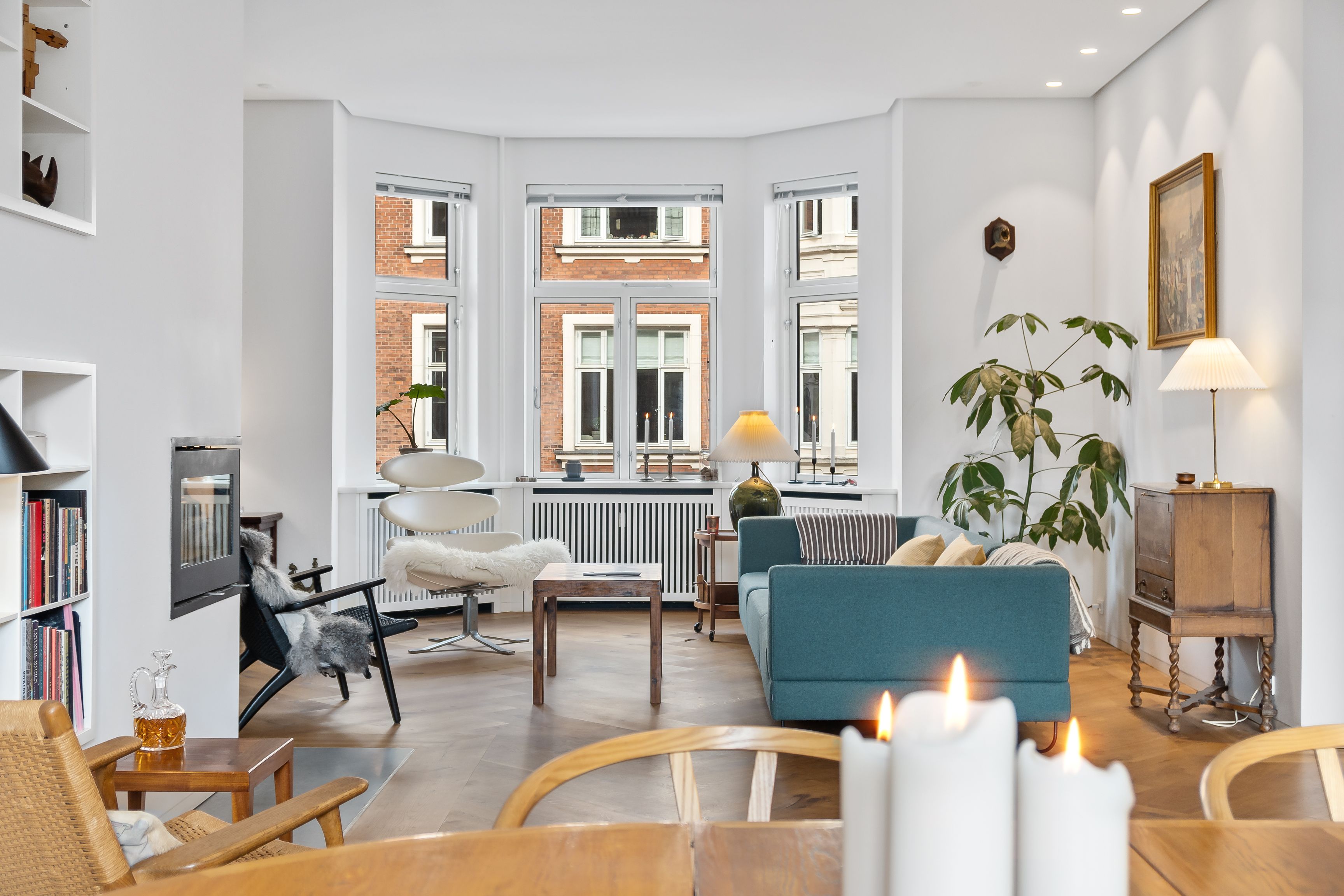
Exposure that reveals both interior detail and key exterior views.
Clear, sharp details without harsh halos or noise.
Natural color that reflects materials, finishes, and light conditions.
Correct geometry with straight verticals and undistorted walls.
These qualities help people read the space accurately, trust the presentation, and move forward with the next step.
Edits That Enhance Without Misleading
Used thoughtfully, AI HDR can support edits that improve clarity without crossing into misrepresentation. Safe, value‑adding adjustments include:
Exposure and color balance – Blending brackets to show detail in bright windows and darker corners, and correcting color casts so walls, floors, and fixtures look true to life.
Straight verticals and corrected distortion – Fixing leaning walls, bowed door frames, and wide‑angle stretch so rooms feel stable and accurately proportioned.
Light retouching and clutter cleanup – Removing temporary distractions such as bins, cables, or small personal items while keeping textures, shadows, and permanent features intact.
Virtual dusk when clearly disclosed – Turning a daylight exterior into a twilight version for mood and emphasis, as long as the underlying structure and surroundings are accurate and the edit is clearly labeled.
This approach keeps AI HDR real estate photo editing firmly in the territory of enhancement: making the true property easier to see and understand, without inventing something that does not exist.
Where AI HDR Real Estate Photo Editing Changes the Game
Speed and volume
AI HDR real estate photo editing turns bracketed sets around in minutes instead of hours. Base blending, exposure balancing, and noise handling run in the background, which lets you clear next‑day or same‑day delivery targets even when listing volume spikes.
Consistency across locations
AI applies the same logic to every frame, which helps smooth out differences between photographers, cameras, and lighting conditions. With the right presets and rules, you get a consistent baseline look across branches, markets, and vendor teams before any local fine‑tuning.
Hybrid workflows
The real power comes from hybrid setups. AI handles HDR blending and first‑pass corrections; human editors then check perspective, refine color, review skies, and sign off on final quality. This model scales with volume while keeping your brand’s standard and local guidelines in place.
Read more: The best ways to outsource real estate photo editing for a multinational photography company
When Is It Time to Outsource?
You know internal tools are no longer enough when:
Backlogs persist even with AI in place – Files pile up during peak seasons, and delivery times slip despite automated HDR and batch edits.
The look varies across editors and branches – Each office or freelancer develops a slightly different style, and your listings do not feel like they belong to the same brand.
You are entering new regions without post‑production capacity – New photographers and markets come online faster than you can hire, train, and manage editors.
At that point, outsourcing to a specialist team with AI‑powered editing and human quality control becomes a practical next step. An AI hybrid (AI-powered, human control) workflow lets the AI handle bulk HDR blending, exposure balancing, and first‑pass corrections at scale, while trained real estate editors review perspective, color, skies, and retouching against clear guidelines. This combination protects realism, supports compliance with platform and local rules, and keeps your visual identity consistent across photographers, offices, and regions, even as listing volumes grow.
Esoft - Leading Outsourcing Real Estate Media Editing Services
Esoft, with more than 20 years in real estate media, is built for teams that see post‑production as core infrastructure. When you manage high volumes through peak seasons, you need systems that maintain quality, hit deadlines, and stay stable across markets and property types. Esoft is designed around this reality.
Esoft offers two production structures for HDR and wider photo work:
Hybrid AI‑plus‑human HDR for speed and consistency
An AI hybrid (AI-powered, human control) workflow routes bracketed sets through AI for fast HDR blending, base exposure, and color corrections, and volume handling. Experienced real estate editors then review geometry, fine‑tune tone and color, check skies, and ensure the final result stays realistic and on brand. This gives you rapid turnaround with predictable, repeatable quality across locations.Fully manual, craft‑level editing for premium listings
For flagship properties and high‑stakes campaigns, Esoft provides a fully manual workflow. Editors control HDR blending, color grading, retouching, and local adjustments frame by frame, with special attention to materials, views, and lighting. This level of care suits luxury listings, developer projects, or any asset where every detail matters.
Beyond HDR, Esoft supports the full real estate media stack, allowing you to consolidate under one production partner:
High‑volume photo editing with detailed retouching, clutter removal, and virtual dusk.
Video editing for listing tours, brand content, and social formats.
Floor plan creation in 2D and 3D from scans or sketches.
3D visualization for virtual staging and renovation concepts.
Conclusion
The teams getting the most from AI HDR real estate photo editing understand where automation ends and judgment begins. They use AI for fast, consistent blending, then apply clear rules around realism, geometry, clutter cleanup, and virtual dusk so edits enhance without misleading. They also know when in‑house tools are not enough - backlogs, uneven quality, and multi‑market expansion all signal the need for an AI hybrid workflow with human control. If you want a partner to help you build that scalable HDR pipeline, contact Esoft.





Linh Phan
Content Strategy Executive
No Spam, Just Updates
Our fresh blogs provide technical and industrial information that helps strengthen your business. Sign up to be the first to receive the new updates