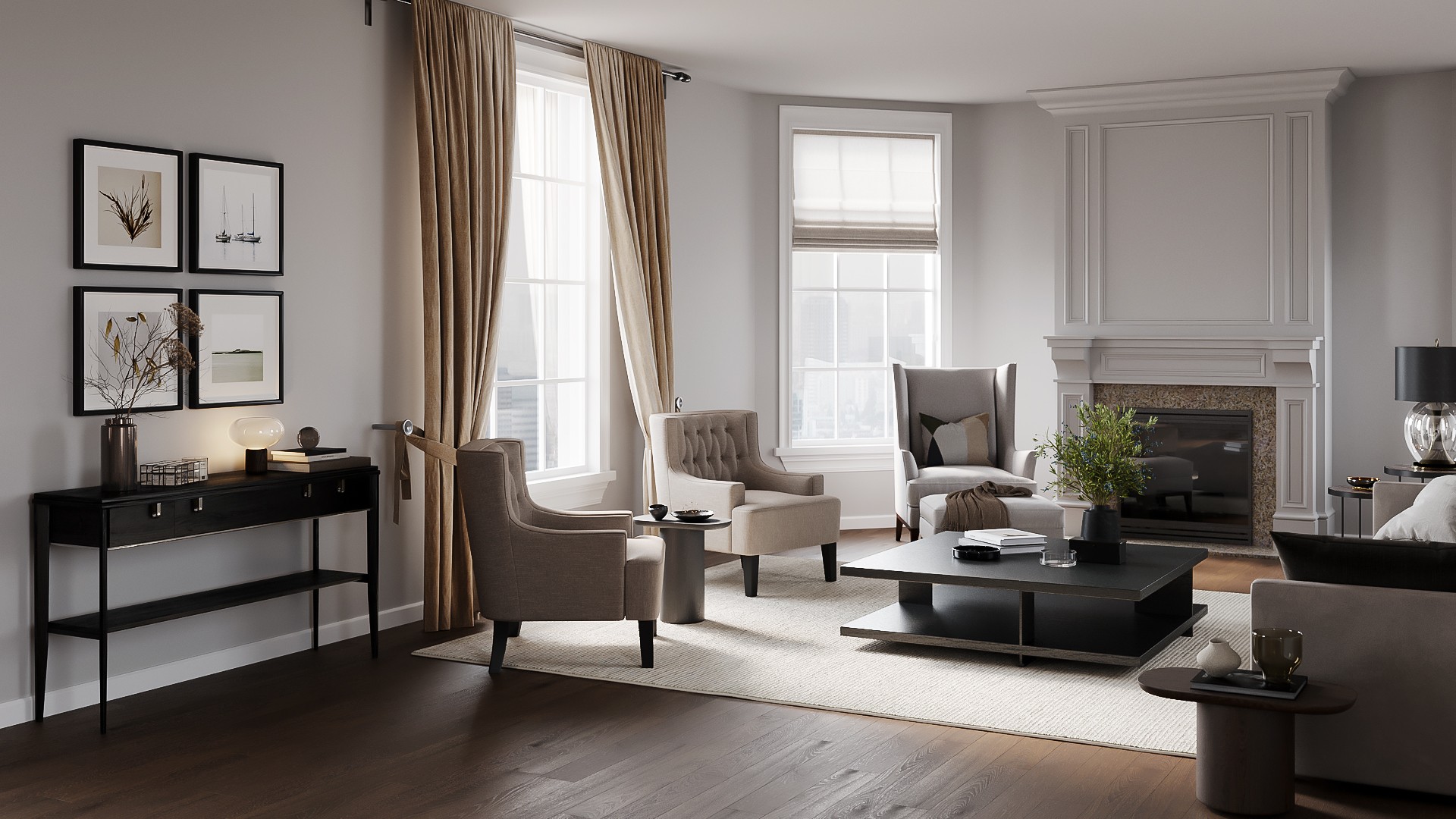
Buyers in the US now expect more than empty rooms and basic photos when they browse listings. Agents, photographers, and developers are turning to a virtual staging company to present clear, on‑trend interiors that match how their audience actually lives. Certain styles keep showing up because they resonate with specific price points, locations, and demographics, from city condos to luxury new builds and coastal homes. In this guide, we’ll walk through why virtual staging has become so common, then break down the most popular styles and how to use them effectively in your own listings.
What is Virtual Staging?
Virtual staging is a digital process where an editor takes photos of an empty or sparsely furnished property and adds realistic furniture, decor, and finishes using 3D or graphic design software.
Instead of moving physical furniture in and out, a virtual staging company builds the interior on screen, choosing layouts, styles, and accessories that fit the home and target buyer. The result is a set of images that show the space fully furnished, while still being based on actual photographs of the property.
Why is Virtual Staging so Popular with Real Estate Companies?
Virtual staging has become a standard tool for agents, photographers, and developers across the US because it solves several practical and marketing challenges at once.
1. Cost‑Effective Compared to Physical Staging
Physical staging involves rental furniture, transport, installation, and insurance, plus time on site. For many listings, especially mid‑range or high‑volume stock, those costs are difficult to justify. Virtual staging delivers styled interiors at a fraction of the cost per room, with no logistics or storage and far less risk.
2. Faster to Execute and Easy to Update
A physical staging job can take days to coordinate and install. Virtual staging can often be delivered within 24–48 hours after the photos are shot. If the seller or agent wants to adjust the style, remove items, or prepare alternative looks for different campaigns, the editor can update the files without revisiting the property.
3. Ideal for Empty, New‑Build, or Renovated Homes
Empty rooms, new‑build units, and freshly renovated spaces can look cold or hard to read in photos. Virtual staging adds furniture and decor that:
Shows how to arrange living, dining, and work zones.
Highlights key selling points such as views, natural light, or feature windows.
Makes new or updated finishes feel more inviting.
This is especially helpful for developers and flippers who market multiple similar units or floor plans.
4. Helps Buyers Visualize Scale, Layout, and Lifestyle
Many buyers struggle to judge room size or furniture fit from empty spaces alone. With virtual staging, you can:
Show realistic furniture scale relative to each room.
Demonstrate different layout options (for example, home office vs nursery).
Communicate a clear lifestyle story aligned with the target demographic.
This makes online browsing more informative and reduces uncertainty before in‑person showings.
5. Increases Listing Appeal and Engagement
Well‑executed virtual staging typically leads to stronger online performance:
Thumbnails stand out more on portals and social feeds.
Click‑through rates and time spent on listings often increase.
Buyers are more likely to save, share, and request showings for homes that feel “move‑in ready” in photos.
Read more: How Photography Editing Companies Work With Real Estate Media Franchises?
Popular Styles A Virtual Staging Company in the US
Virtual staging teams in the US tend to work within a set of proven styles that fit local architecture, buyer expectations, and listing tiers. Below are the most common options and where they usually work best.
Mid-Century Modern (MCM)
Style overview
Mid‑Century Modern emphasizes clean lines, low‑profile seating, tapered wooden legs, and warm woods like walnut or teak. Colors lean toward muted or earthy tones - olive, rust, mustard, soft neutrals, often paired with geometric rugs or artwork to add interest without clutter.
Best suited for
Authentic mid‑century homes and ranch‑style properties
Condos and urban apartments
Listings targeting younger or design‑driven buyers
Scandinavian
Style overview
Scandinavian styling focuses on light, calm interiors with lots of white space. It uses light woods, neutral palettes, simple furniture forms, and soft textiles like throws and rugs. The goal is a bright, airy look that photographs well and feels easy to live in.
Best suited for
Small spaces and compact city apartments
Homes that need to feel brighter and more open
Listings aimed at young professionals and first‑time buyers
Modern/Modern Minimalist
Style overview
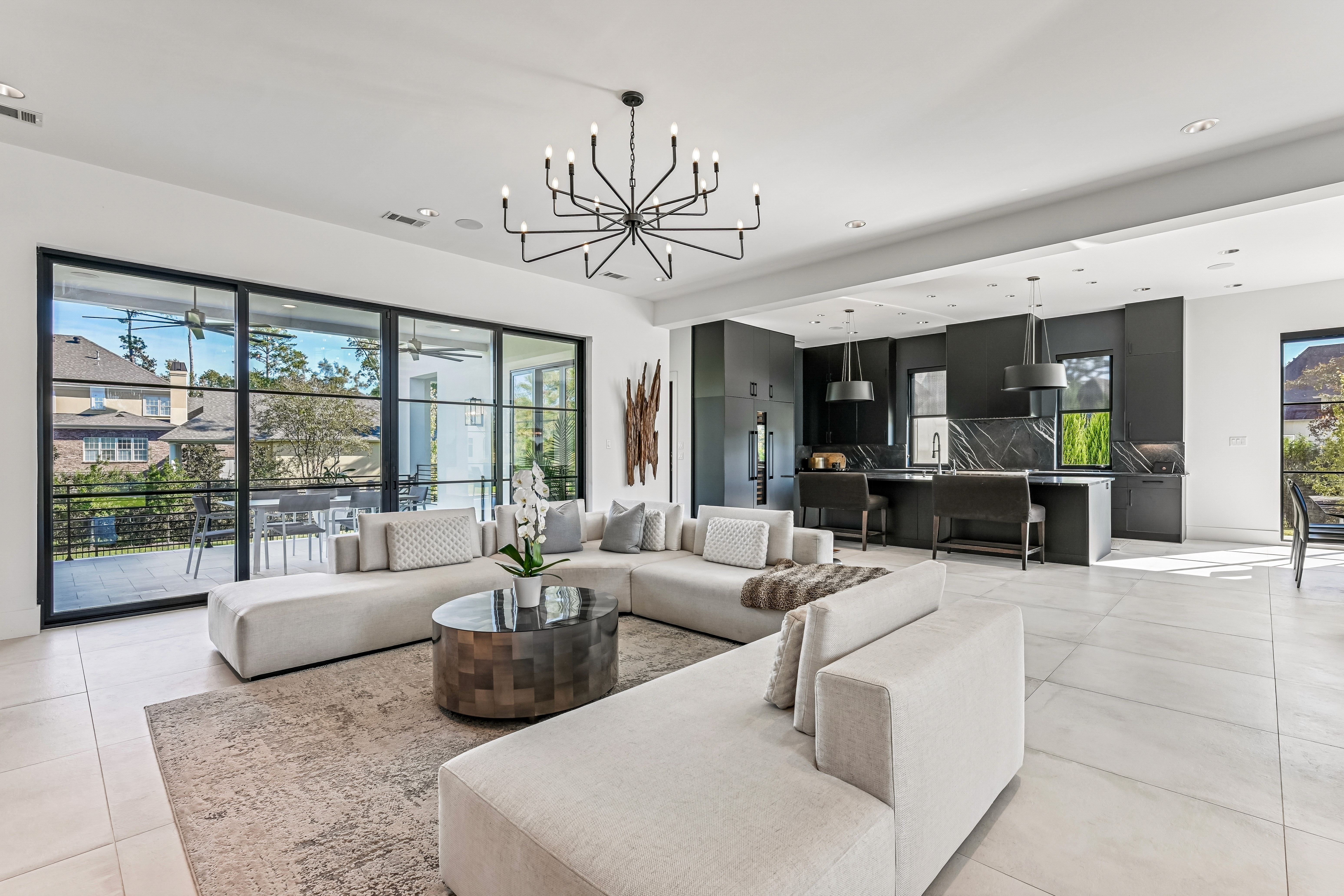
Modern and minimalist staging uses sleek lines, a limited color palette (often white, black, and a few accents), and minimal decor. Rooms are kept open and uncluttered, with emphasis on structure, finishes, and clear sight lines rather than heavy accessories.
Best suited for
New builds and recently renovated homes
City condos and luxury rentals
High‑end developments with a contemporary brand position
Cozy Farmhouse/Rustic
Style overview
Cozy farmhouse and rustic looks highlight warmth and comfort through natural woods, shiplap or paneled textures, layered textiles, and neutral‑to‑warm color schemes. Furnishings often have a simple, practical feel with a few vintage‑inspired pieces to add character.
Best suited for
Suburban family homes
Country and acreage properties
Listings aimed at buyers who value a welcoming, “homey” atmosphere
Coastal/Hamptons
Style overview
Coastal and Hamptons staging aims for light, relaxed interiors using whites, sands, soft blues, and natural fibers like jute, rattan, and linen. Furniture is comfortable and casual but still refined, with accessories kept subtle so views and natural light stay central.
Best suited for
Beach, coastal, and lakefront markets
Homes where outdoor and water access are key selling points
Properties positioned as second homes or vacation‑style retreats
Industrial/Urban Chic
Style overview
Industrial and urban chic styling builds on raw materials and bold contrasts. It often incorporates exposed brick or concrete backdrops, darker color schemes, leather seating, metal accents, and striking lighting. Decor is edited down so the building’s structure and textures stand out.
Best suited for
Lofts and warehouse conversions
City apartments in historic or repurposed buildings
Listings in trendy urban neighborhoods
Luxury/High-end Contemporary
Style overview
Luxury contemporary staging focuses on refined finishes and curated detail: statement lighting, designer‑style furniture, rich textures like velvet and marble, and polished metals. Color stories are intentional, and accessories are chosen to feel bespoke rather than generic.
Best suited for
High-priced listings and trophy homes
Penthouses and top‑tier condos
Luxury new builds targeting affluent buyers
Commercial/Office & Mixed‑Use
Style overview
For commercial and mixed‑use properties, virtual staging is used to plan and present reception areas, workstations, meeting rooms, co‑working layouts, and retail fit‑outs. The emphasis is on clear circulation, functional zoning, and realistic workplace or retail setups.
Best suited for
Office spaces and medical suites
Retail shells in new or repositioned developments
Mixed‑use projects where owners need to show multiple potential uses
Read more: Real Estate Photo Editing Companies USA: Adapting To The Fast-Paced Market
How to Effectively Build Virtual Staging Photos?
Even with the right style, results depend on how you brief and prepare your virtual staging company. These best practices help keep your images effective and credible.
1. Start With the Right Base Photos
High‑quality base photography makes every staging style work harder. Use professional, well‑lit images with straight verticals and accurate perspective. Capture key angles that clearly show room layout, circulation, and natural light, and avoid tight crops that limit furniture placement options.
2. Match Style to Property and Target Buyer
Choose staging styles that support the property rather than fight it. Align furniture and decor with the home’s architecture, location, and price point, then layer in what you know about your buyer profile - young professionals, families, or downsizers, so the space feels relevant and achievable for them.
3. Keep It Realistic and Proportionate
Realism is essential. Ensure the virtual furniture scale fits the room, door heights, and window lines so nothing looks distorted. Ask your provider to avoid over‑decorating; leaving some negative space helps rooms feel larger, more flexible, and believable both online and in person.
4. Maintain Consistency Across the Whole Listing
A listing should read as one coherent story. Use the same or complementary style across living, dining, bedrooms, and any studies, and keep a consistent color palette and lighting mood. This helps buyers move through the photos without visual “jumps” that make the staging feel artificial.
5. Be Transparent and Compliant
Clear communication protects trust. Always label virtually staged images in your marketing materials and on listing portals. Avoid presenting structural changes (wall removals, new windows, major reconfigurations) as existing conditions unless they are clearly marked as concepts or renovation ideas.
Esoft - Your Trusted Virtual Staging Partner
Esoft is a global real estate imaging partner that supports photographers, media companies, and real estate brands with high‑volume, high‑quality visual content. Within that, virtual staging is one of our core strengths.
We stage across three key segments:
Residential: Apartments, single‑family homes, and developments.
Commercial: Offices, retail, hospitality, and mixed‑use concepts.
360° panorama: Fully staged scenes ready for immersive virtual tours.
Our workflow is built for speed and scale. With quick delivery, ISO 27001‑certified data security, and capacity for hundreds of properties per month, we act as an extension of your team rather than a one‑off vendor.
Esoft combines hybrid AI–human editing with experienced interior stylists, using advanced 3D tools to produce realistic furniture, lighting, and shadows. We support all major interior looks, plus exterior staging for patios, balconies, and pool areas to boost digital curb appeal.
For larger clients, our Coconut platform and API make ordering and delivery seamless: raw photos flow in, staged assets flow back, and everything is trackable under your own brand. Virtual staging can also be bundled with interactive floorplans, giving buyers a clearer sense of how each furnished room fits into the overall layout.
Read more: 5 Real Estate Photo Editing Company Worth Considering In 2026
Conclusion
Choosing the right virtual staging company, You need a partner that understands style trends, buyer expectations, and how to keep images realistic, consistent, and compliant across every listing. When you combine strong base photography with the right staging style for each property segment - residential, commercial, or 360°, you turn online views into informed enquiries. If you’re looking for a scalable, design‑savvy virtual staging partner for the US market, don’t hesitate to contact us!
Related Blogs

Transform Property Visuals Into Revenue Drivers With HDR Image Blend Service
Photo Editing
5 Best photo editing software for real estate photography in Australia
Photo Editing
Which Styles Are Most Popular Among Virtual Staging Company In The Us?
3D Visualization
How Photography Editing Companies Work With Real Estate Media Franchises?
Photo Editing
Top 5 Photo Editing Agency In Australia For Premium Listings
Photo Editing
Top 5 Tips Image Editing Agency Must Know To Create Stunning Real Estate Visual
Photo Editing


Linh Phan
Content Strategy Executive
No Spam, Just Updates
Our fresh blogs provide technical and industrial information that helps strengthen your business. Sign up to be the first to receive the new updates