What 1 Million Photos Reveal About Buyer Psychology In Real Estate Photo Editing In The United States
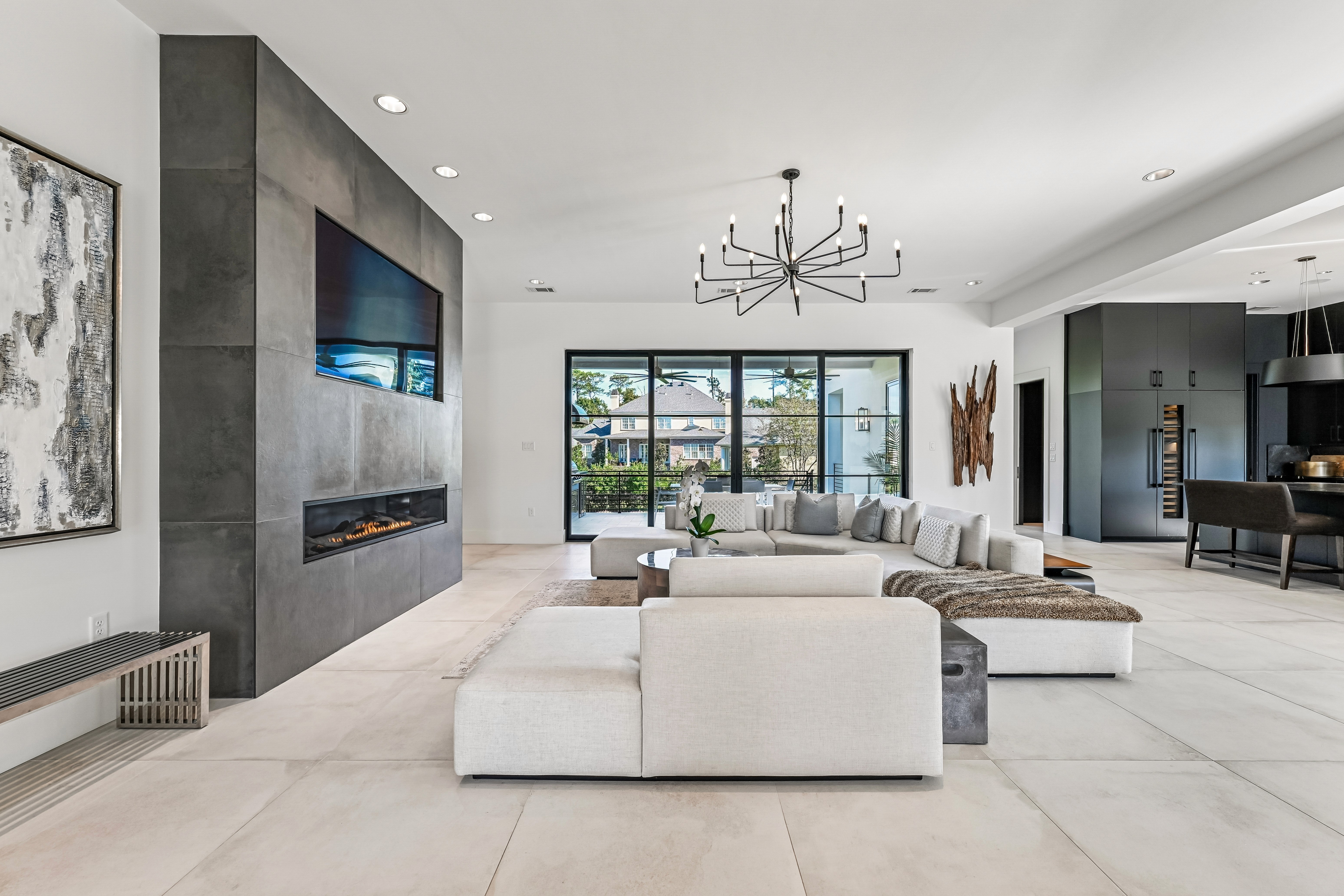
Most buyers in the US now decide whether to click, save, or skip a listing in a few seconds, and they do it almost entirely from the photos. When we look at patterns across more than a million images, clear signals emerge about what buyers respond to, what they ignore, and what quietly undermines trust. In this article, we break down what those patterns reveal about buyer psychology, how real estate photo editing United States trends shape behavior, and practical steps you can use to increase engagement and conversion on your own listings.
The Real Estate Market in the US (2026)
The current US market gives buyers more choice and more information than ever, but much less time and attention per listing. Most decisions to click, save, or ignore happen in a few seconds, driven almost entirely by the photo set.
A few realities now define the landscape:
Crowded portals and fast decisions
Major listing portals surface hundreds of options in a single search, so buyers rely on photos to filter quickly. According to Realtor, 85% of homebuyers consider photos the most critical factor when evaluating a property online (NAR). Listings with flat, dark, or inconsistent visuals are often skipped before the description is read.High‑quality photos change financial outcomes
RubyHome data shows listings with pro‑quality images closing USD 934–116,076 higher than comparable homes with weaker photography. Agents recognize this: 61.3% of brokers say listing photography is the most critical factor when selling homes (AgentUp).Clear preferences in visual style
Across large volumes of data, consistent patterns emerge:Bright, evenly lit interiors draw more clicks and longer viewing time.
Wide‑angle compositions that are still realistic help buyers understand space and layout.
Consistent color and contrast across the entire set feel more professional and trustworthy.
Read more: 5 Best Real Estate AI Photo Editor Tools in 2026: Speed, Quality, and Scale
Key Findings on Buyer Psychology and Editing
Brightness = Warmth and Welcome
Buyers consistently favor bright, evenly lit interiors. When rooms look open and clear, they feel easier to understand and easier to live in.
Bright, balanced lighting draws more clicks and longer viewing time.
Enhanced brightness with softened shadows makes spaces appear larger, cleaner, and more inviting.
Under‑lit interiors, dark corners, and heavy contrast signal “work” and cost - painting, repairs, or lighting upgrades, reducing perceived value.
For practical editing, this means lifting shadows, controlling highlights, and ensuring every key room feels usable and comfortable at first glance.
Consistency Builds Trust
Beyond any single image, buyers react to the set as a whole. Consistent tone across the gallery feels organized and professional.
Uniform brightness, contrast, and color temperature across all photos create a sense of reliability. When some frames are warm and cozy, others cold and blue, and others dark or flat, buyers experience subtle distrust and visual fatigue.
Consistent styling helps buyers believe they are seeing the home as it really is.
It also supports your brand: the listing feels like it was prepared with care from start to finish.
This is where defined editing presets and clear guidelines pay off; they make every property look like part of the same, well‑run operation.
Honest Enhancement Outperforms Heavy Manipulation
Editing is essential, but pushing too far quickly undermines trust. Industry insights, including from NAR, show that misleading imagery, such as hiding obvious defects or reconstructing spaces that do not exist, damages credibility with both buyers and other professionals.
Over‑promising in photos leads to post‑visit disappointment:
Buyers feel let down when rooms look smaller, darker, or more worn than expected.
This frustration can translate into fewer offers, weaker offers, or even deal cancellations when expectations are not met.
The strongest results come from realistic enhancement:
Improve light, color, and clarity.
Remove clutter and distractions.
Leave permanent, material issues visible so buyers can make informed decisions.
Clean and Uncluttered Helps Buyers Project Themselves
When photos are busy, buyers focus on objects. When photos are clean, they focus on the home.
Removing clutter - toys, cables, excess decor, random objects, and using light, tasteful virtual staging makes it easier for buyers to imagine their own furniture and lifestyle in the space.
Edited cleanliness reduces cognitive load; the brain does not have to sort through “stuff” to understand layout and light.
Key architectural features, finishes, and sightlines become more obvious.
Emotionally, buyers feel calm, organized, and “ready to move in,” which supports a stronger intent to visit and offer.
This does not mean emptying every frame, but it does mean being intentional about what earns a place in the photo.
Read more: Best Photo Editing For Real Estate: Workflow And AI Integration That Scales
Technical Perfection = Subconscious Professionalism
Many buyers cannot explain why some photos feel better than others, but technical quality has a quiet, powerful effect.
Perspective correction - straight vertical lines and reduced distortion make rooms feel stable and true to life. When walls lean or doorframes tilt, the image feels less trustworthy, even if viewers do not know why.
Technical polish includes:
Corrected lens distortion and natural‑looking wide angles
Balanced composition that respects the main subject of the room
Sufficient sharpness on important details, without harsh oversharpening
Together, these cues signal care, competence, and professionalism. Buyers often experience the home and the agent as more “premium” and trustworthy, purely because the visuals feel controlled and well-made.
How to Increase Your Conversion Rate with Real Estate Photo Editing In The United States?
Editing is where buyer psychology turns into practical decisions: how many images to show, what order they appear in, and how each frame feels. The aim is simple - more clicks, more saves, and more showing requests from the same amount of traffic.
Optimize the Visual Story and Photo Count
Data points toward 22–27 photos as a strong range for engagement. This is usually enough to explain layout and features without overwhelming buyers or repeating similar angles.
Structure the gallery as a clear walkthrough rather than a random mix:
Hero exterior (best angle for thumbnail and first impression)
Main living area / great room
Kitchen and dining
Primary suite (bedroom and bath)
Key secondary bedrooms and bathrooms
Office or flex spaces and notable details (fireplace, views, storage)
Community or building amenities
Rear exterior, yard, and any bonus outdoor spaces
This order matches how buyers mentally move through a property and reduces drop‑off halfway through the gallery.
Apply Buyer‑Centric Editing Standards
Editing should reflect how buyers judge homes online.
Focus first on brightness and light. Interiors need to feel open, clean, and welcoming, with controlled highlights and softened shadows so details are easy to read. Dark corners and under‑lit rooms quietly suggest “work” and lower perceived value.
Then, keep consistency across the entire set. Use a defined style for white balance, contrast, and saturation. When some photos are very warm and others very cool or flat, buyers feel subtle distrust and visual fatigue, even if they cannot name the issue.
Stay strict about accuracy and honesty:
Remove distractions and clutter (cords, bins, toys, personal photos).
Do not remove structural problems, major damage, or permanent elements that would be obvious at a showing.
Finally, check technical polish on every set:
Straight verticals and corrected perspective
Controlled lens distortion
Sharpness on key details (kitchen, baths, views, exterior features)
This technical care signals professionalism and reliability at a subconscious level.
Read more: Real estate photo editing companies USA: Adapting to the fast-paced market
Use AI and Professional Editors Where They Work Best
To apply these standards across many listings, combine automation with human expertise.
Use AI for the scalable, repeatable work:
HDR merging and exposure balancing
Global brightness and contrast
Basic color correction and white balance
Automatic vertical and perspective corrections
Then layer human editing where judgment matters most:
Subtle retouching that keeps textures, views, and materials realistic
Complex or mixed lighting, luxury interiors, and brand‑driven looks
Final passes on high‑impact frames (thumbnail, hero exterior, main living area, kitchen, primary suite)
Document this into a simple workflow - shoot → AI base pass → human review/refinement → export, so every listing benefits from the same buyer‑psychology principles, regardless of location or price point.
Esoft - Your Reliable Real Estate Photo Editing Partner in the US
Esoft is the trusted partner of real estate media companies and brokerages that manage serious, ongoing listing volume across markets. We work as part of your operating system - supporting stable workflows, predictable delivery, and consistent output through busy seasons, campaigns, and expansion into new regions.
We apply a hybrid AI‑and‑human model that manages volume and quality: automation takes care of repeatable processing, while specialist editors and QA teams focus on accuracy, exposure, and brand alignment, exactly where buyer psychology matters most.
Key services include:
Photo editing with retouching, virtual dusk, and buyer‑centric adjustments
Video editing for listings, branded storytelling, and social media formats
2D and 3D floor plans, including efficient scan‑based workflows
3D visualization, covering virtual staging, renovation concepts, renders, and tours
Centralized production via the Coconut Portal, with API access for US media platforms and custom integrations
For teams that need consistent, scalable, real estate photo editing United States solutions without losing control over standards, timelines, or brand, Esoft provides the infrastructure to make that possible.
Wrap Up
Data from more than a million images shows that buyers in the US respond to the same core signals: bright and honest photos, consistent styling, clean compositions, and technically polished visuals. When you align real estate photo editing United States workflows with these patterns, supported by the right mix of AI, human editors, and structured photo sequences, you increase clicks, saves, and showing requests across your portfolio. Esoft is built to apply these principles at scale while keeping your standards intact. Contact us to explore how this can work for your team!







Linh Phan
Content Strategy Executive
No Spam, Just Updates
Our fresh blogs provide technical and industrial information that helps strengthen your business. Sign up to be the first to receive the new updates