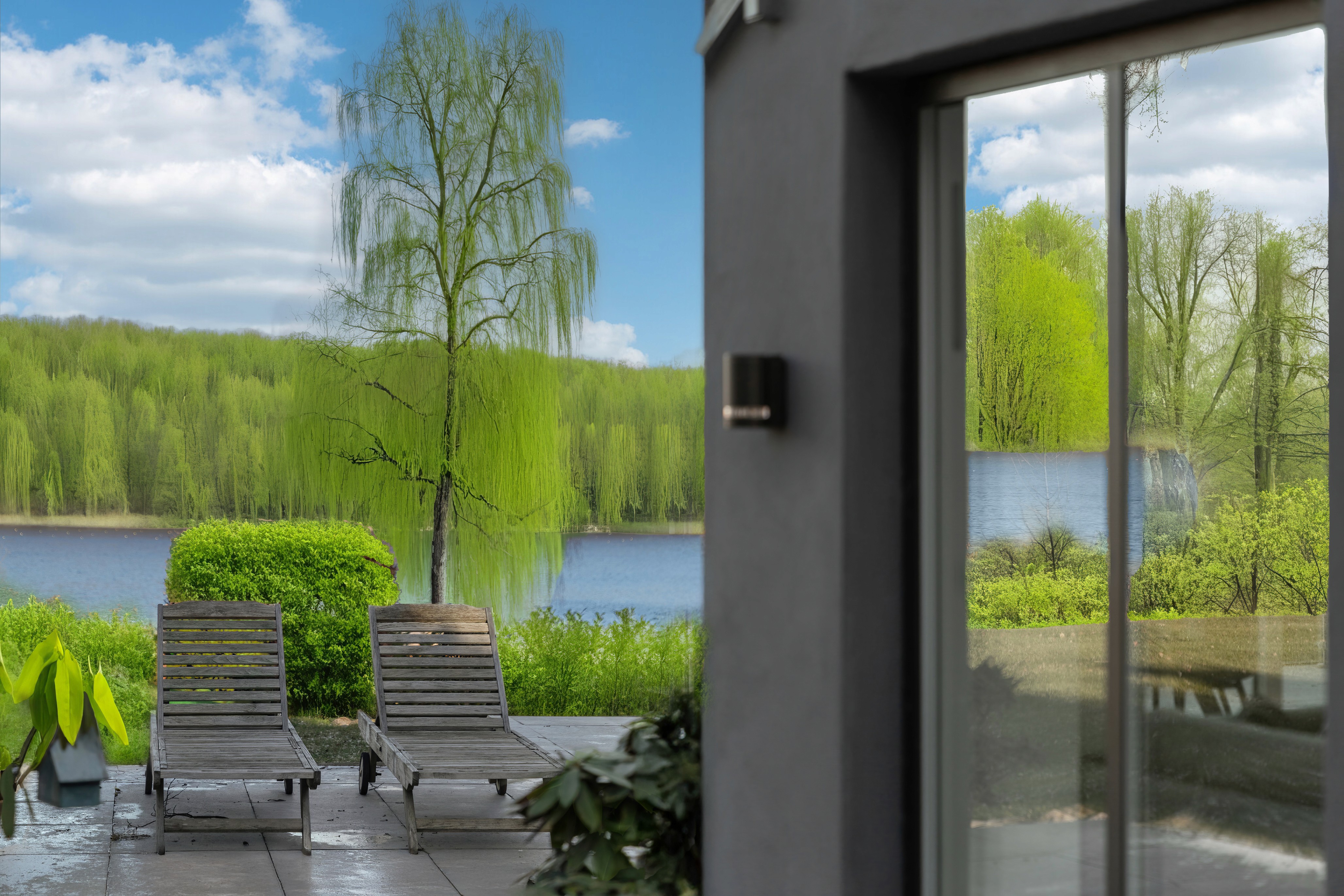
Grass photography is one of the most effective ways to showcase the beauty and vibrancy of a property’s outdoor spaces. By emphasizing lush green lawns and natural textures, you can instantly elevate the curb appeal of a listing. In real estate, small details like grass can shape a buyer’s very first first impression, making an otherwise ordinary exterior look well-kept and inviting.
And when it comes to editing, you can use various techniques to make the colors pop. Adjusting the white balance and color temperature can make the grass appear more vibrant, while subtle effects like vignettes can help direct attention to the grass as a focal point of the photo.
In this blog, you’ll get actionable insights on its role in real estate, practical shooting and editing tips, how to source reliable edits, and finally — how to enhance grass ethically without crossing into misrepresentation.
1. The Application of Real Estate Grass Photography
Strong lawn visuals have more influence than many realize. A well-kept yard does more than showcase greenery; it signals a maintained, inviting home that buyers can imagine themselves enjoying. The natural green tones of grass provide a fresh, organic backdrop that creates calm, welcoming moods, or even more dreamlike, surreal atmospheres if applied creatively.
Because of this, grass is one of the most common exterior editing elements in real estate photo editing. For agents, it’s a cost-efficient way to boost visuals with no extra materials yet allows them to customize the look of a property by highlighting landscaping, gardens, or outdoor amenities that might otherwise go unnoticed. When done well, it helps emphasize the outdoor beauty and natural surroundings naturally.
For editors, there’s a wide range of grass backgrounds to choose from: hyper-realistic, stylized, or even abstract textures. When combined with other landscaping details, grass photography becomes a powerful tool. In short, grass photography is an impactful yet affordable way to give each property a distinct look in a crowded listing space.
2. Grass Photography Shooting and Editing Best Practices
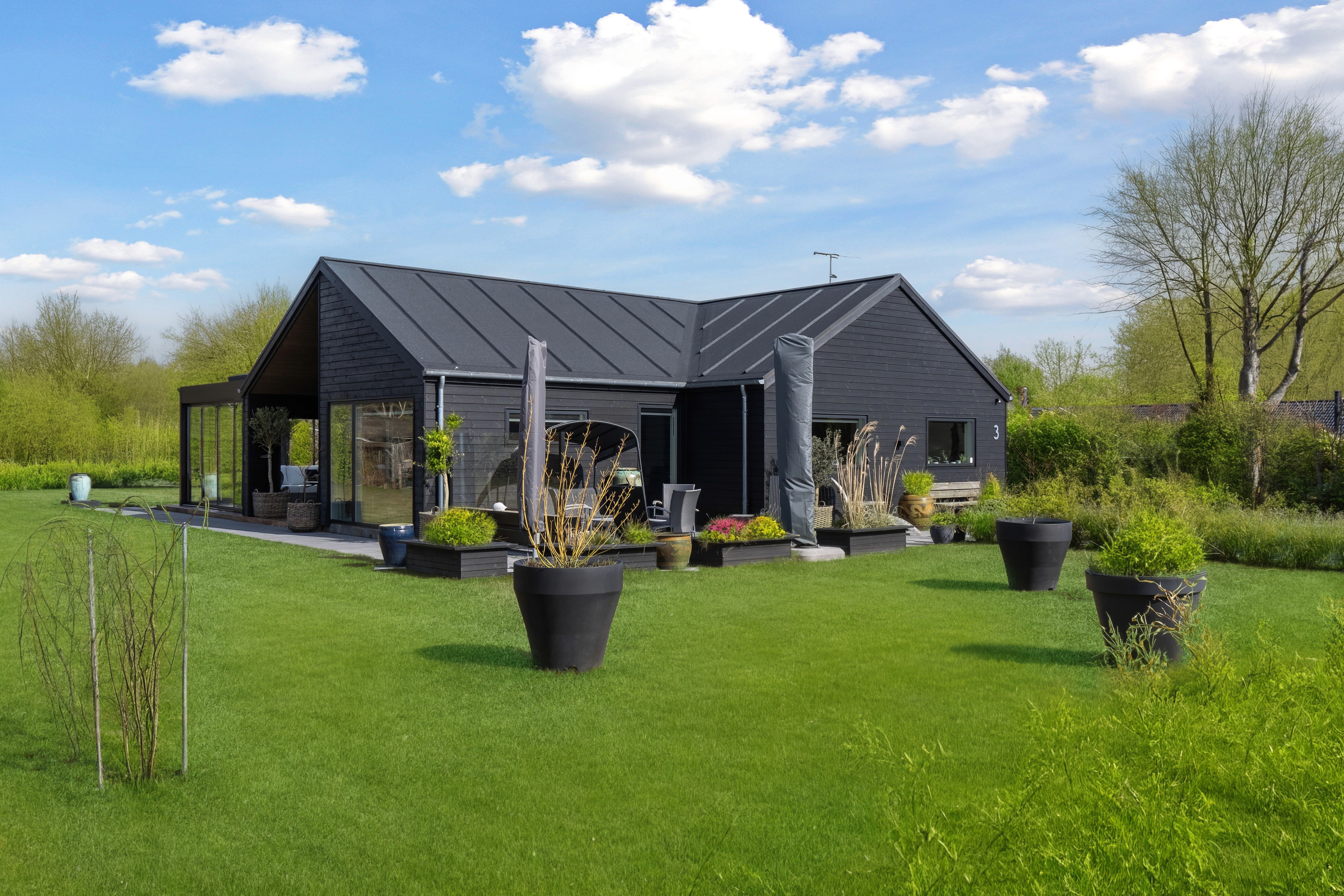
Grass enhancement done by professional editors' team at Esoft
Grass color changes with the seasons, so editing should reflect the natural conditions of the property when photographed. This authenticity builds trust with your end-clients. To get your grass photography right, you need to pay attention both behind the camera and in post-production:
Check your camera settings: While it depends on your camera, aperture, shutter speed, and ISO Aperture all affect how accurately grass texture and color are recorded.
Light matters: Green grass can look quite dull when taken in low light. You can use an accent light and flash to add a bit of colour to the grass or apply a graduated filter to balance tones of the whole picture.
Use a tripod: This can help you when the focus is more precisely set and avoid blurry photos from shaky hands or during longer exposures.
Stay consistent with angles: Make sure that you’re shooting from the same angle and at the same location as you would if you were shooting a different part of the property. This will ensure your photographs look equally authentic and aesthetically pleasing.
Mind the wind: You can try changing the speed and direction of the wind to add some movement and flow to the grass, but too much motion may cause blurring in brackets or stitched edits.
Keep editing notes: It’s a good thing to track your adjustments to avoid over-editing and maintain consistency across projects.
Above all, ensure all of your edits stay true to the property. Real estate photo enhancements should correct camera limitations, not misrepresent reality (we’ll talk about this further in section 4).
3. Sources for Reliable Grass Editing
If you’re thinking about having your grass photography edited, quality and reliability are key. If possible, collaborate with in-house photographers who understand your brand’s style. Otherwise, if you choose to outsource, make sure that there are clear indications of the photographer is a professional who:
Showcase grass work in their portfolio
Deliver consistent editing quality and consistency across different listings
Communicate clearly and respond promptly
Deeply understand real estate marketing standards and regulations
4. How to Ensure Ethical Grass Photography Enhancement
Editing grass can make photos more attractive, but there’s a fine line between enhancement and misrepresentation. The National Association of Realtors (NAR) warns that adding grass where none exists, or showing a yard in a condition it’s never in, may breach MLS rules and Article 12 of the Realtors’s Code of Ethics, which requires “a true picture” in advertising. By contrast, removing a trash bin or applying a twilight sky effect is generally acceptable, since these elements don’t alter the property itself.
Meanwhile, Australia’s NSW Fair Trading law prohibits imagery that creates a “reasonable belief” in a false reality. For example, fabricating an ocean view where there isn’t one, or showing a fireplace lit when it’s permanently nonfunctional, would be considered deceptive. If the fireplace is capable of burning, however, adding a flame is typically fine. Penalties can be severe, with fines up to $1.1 million under Australian Consumer Law.
That said, correcting technical flaws, such as balancing colors or adjusting brightness, is acceptable because those edits are made to reflect how the property would reasonably appear in natural conditions. Cameras can’t capture what the human eye sees — muted greens, yellow indoor tones, or dull exteriors under cloud cover — ethical enhancement simply brings photos closer to what buyers would experience during an actual visit.
Best practices for ethical grass photography enhancement include:
Keeping color tones realistic to the season
Using natural-looking lighting effects
Avoiding over-sharpening or artificial contrast
Preserving architectural integrity
Disclosing edits clearly
Never concealing permanent flaws like cracks, stains, or damage
At the end of the day, agents and you as a photographer should understand your local MLS rules but should not shy away from enhancing images responsibly. If you’re unsure where the line is, partnering with a reliable real estate editing service like Esoft is the safest approach.
With 17+ years serving clients across the US, EU, UK, and Australia, our teams of global photo experts, editors, and QC specialists deeply understand the niche and regulations in real estate marketing, including grass photography. Esoft make sure your assets look professional without crossing into misrepresentation. For more details, check out our offering real estate photo editing.
5. Summary
Grass photography is a great way to showcase the beauty of landscapes for real estate. It can be used to draw attention to the vibrant green grass in a property, as well as make it look more inviting and aesthetically pleasing. Whether you’re a real estate photographer or a homeowner, high-quality grass photography can really make a difference in how your property appears online.
At soft, our deep editing expertise ensures your exteriors look inviting but honest. If you're curious how we can help you deliver stunning and truthful images that respect both artistry and ethics, let’s connect with us!
Related Blogs


Linh Phan
Content Strategy Executive
No Spam, Just Updates
Our fresh blogs provide technical and industrial information that helps strengthen your business. Sign up to be the first to receive the new updates